
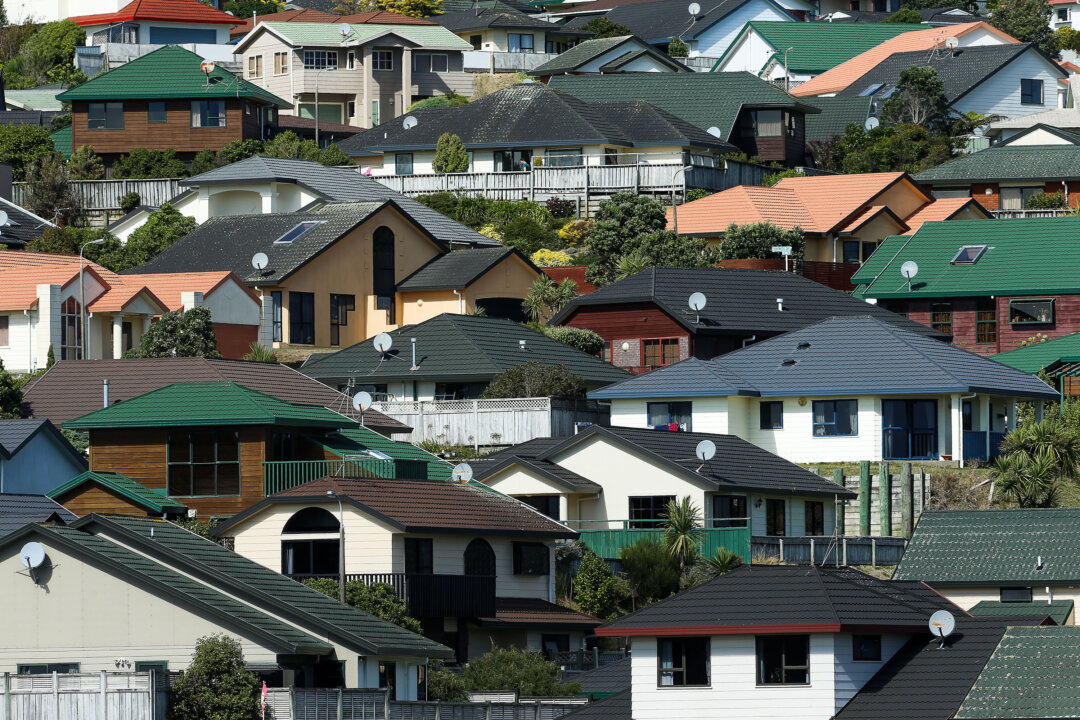
New Zealand’s government has taken the first formal step towards capping how much local councils can raise property rates each year, after a run of double-digit increases sparked street protests and petitions around the country.
The Local Government (Rates Capping) Amendment Bill, introduced by Local Government Minister Simon Watts, passed its first reading in Parliament on Sept. 1 and now goes to the Finance and Expenditure select committee for scrutiny.
Under the bill, annual rates rises would be capped within a target range of 2–4 percent, reviewed every six years and adjusted for uncontrollable costs such as insurance and disaster recovery. Water services, which are subject to separate reforms, would be excluded.
Councils facing genuine emergencies, or able to show “prudent financial management,” could seek exemptions, with a new independent regulator appointed to monitor compliance and assess those requests.
The cap would apply to councils’ long-term plans from July 2027 and take full effect in July 2029.
“Steep and unexpected rates increases add pressure to household budgets at a time many New Zealanders are already feeling the squeeze,” Watts said.
“Nice-to-haves should never come at the expense of delivering the basics and the days of double-digit yearly rates increases are coming to an end.”
The other members of the National-led coalition government, New Zealand First and ACT, have agreed to support the legislation.
A “Rates Dashboard” compiled by the Taxpayers’ Union, a lobby group, put the average increase in council rates across New Zealand at 8.39 percent in 2025, compared with inflation of 2.5 percent.
Some councils reported even higher rate hikes: Hamilton City Council’s rates rose 15.5 percent last year, while Clutha District Council’s increased by 16.59 percent.
The same study also found that council rates rose by an average of 34.52 percent over the previous three years, compared with 13.7 percent inflation.
In 2024, it was revealed that council rate hikes were a major driver of inflation, with an average increase across the country of 12.2 percent that year.
The pressure is visible at both ends of the country.
In Wellington, a council-commissioned report found residential rates have “more than doubled” since 2012, rising from 2.2 percent of median household income to 3.8 percent.
In Auckland, council figures show total rates for an average-value residential property reached $4,057.31 (US$2,377) in 2025–26, up 7.9 percent from the previous year.
In the South Island’s Waitaki district, the council initially proposed a 19 percent rise to close a projected $14 million deficit, but later cut the increase to 17 percent, citing easing fuel costs and a one-off $1 million dividend from a council-owned contractor.
Previously, the Labour Party said it would not support the government’s rate cap proposal. However, the party appeared to change its stance when the bill was introduced this week, with finance spokesperson Barbara Edmonds saying Labour intends to support the legislation through its initial stages.
The party also said it was open to other ways to help councils raise revenue, such as accommodation levies, also known as a “bed tax.”
This is a proposed fee added to short-term accommodation bills, such as those for hotels, motels, and bed-and-breakfasts, usually calculated as a small percentage (around 2.5–3 percent) of the room rate.
Public frustration has produced at least one formal petition. An online campaign titled “Cap the Rates—Stop the Council Cash Grab” has gathered more than 1,180 verified signatures calling for a national cap, requirements for councils to justify increases against service delivery, and an independent watchdog.
We had a problem loading this article. Please enable javascript or use a different browser. If the issue persists, please visit our help center.