
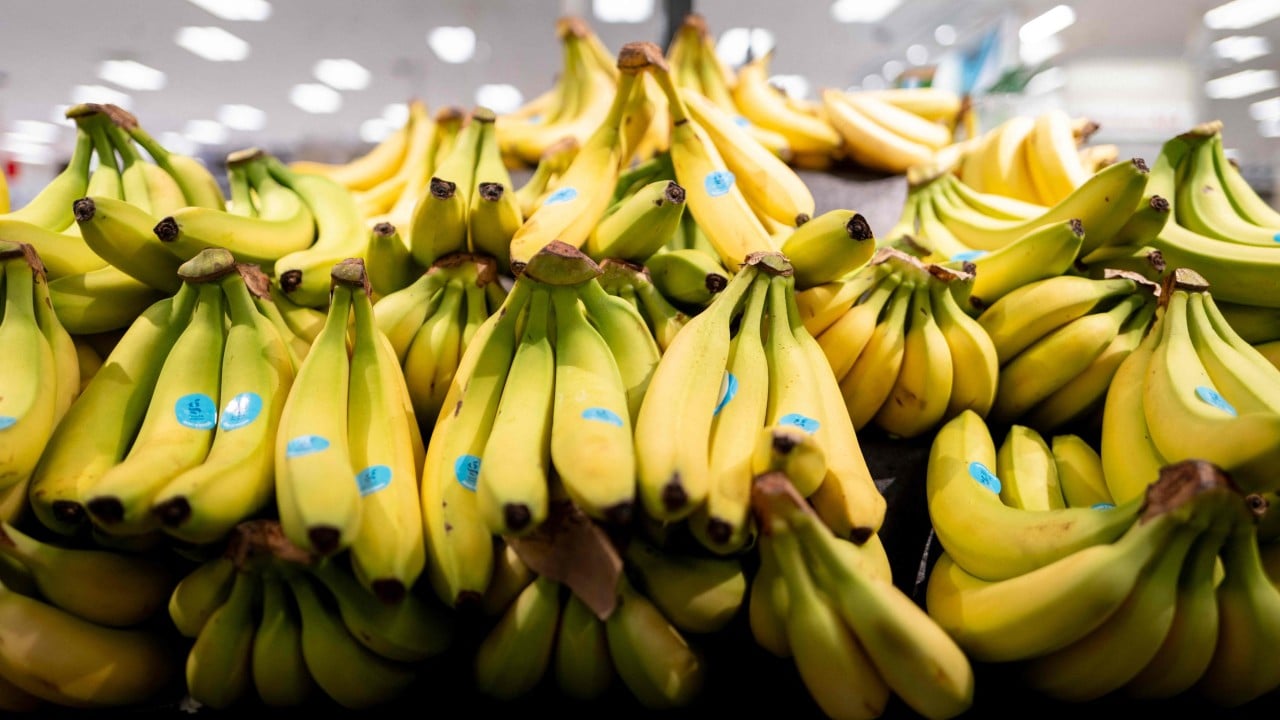
Japan is slipping towards a banana shortage crisis, the latest disruption linked to the Middle East conflict.
The reason: the country ships in the tropical fruit while it is still green, then ripens it in rooms filled with ethylene before bunches reach store shelves. Supplies of the naphtha-derived gas are running low in an economy that imports more than 90 per cent of its crude oil.
Japan bought about 1 million tonnes of bananas last year, making the fruit one of the country’s most important grocery staples. Naphtha inventories are down by a quarter so far this year, as the closing of the Strait of Hormuz continues to choke off a fifth of the world’s petroleum supplies. The resulting shortage is the worst in five decades, according to Eiji Akashi, secretary general of the Japan Banana Importers Association.
Advertisement
“Prices may rise, but we’re doing everything we can to avoid shortages,” Akashi said. “The entire banana industry is committed to doing everything it can to maintain stable supplies.”
For now, bananas are still reaching stores and some importers have secured enough ethylene to last about two to three months, Akashi said. Even so, there is pressure on retailers to pass on higher petrochemical-linked costs such as fuel, packaging and shipping, he added.
Advertisement
The average Japanese household spent about 5,200 yen (US$33) on the yellow fruit in 2025. Tokyo retail prices for the grocery staple were up 4.4 per cent last year, and have climbed more than 30 per cent since 2022, according to government data.
Cut bananas need ethylene to ripen, otherwise they never soften or get sweet, and eventually succumb to rot. Avocados and kiwis are also ripened with ethylene, but require much less of the gas, according to Farmind, which handles about 30 per cent of imported banana processing in Japan.