
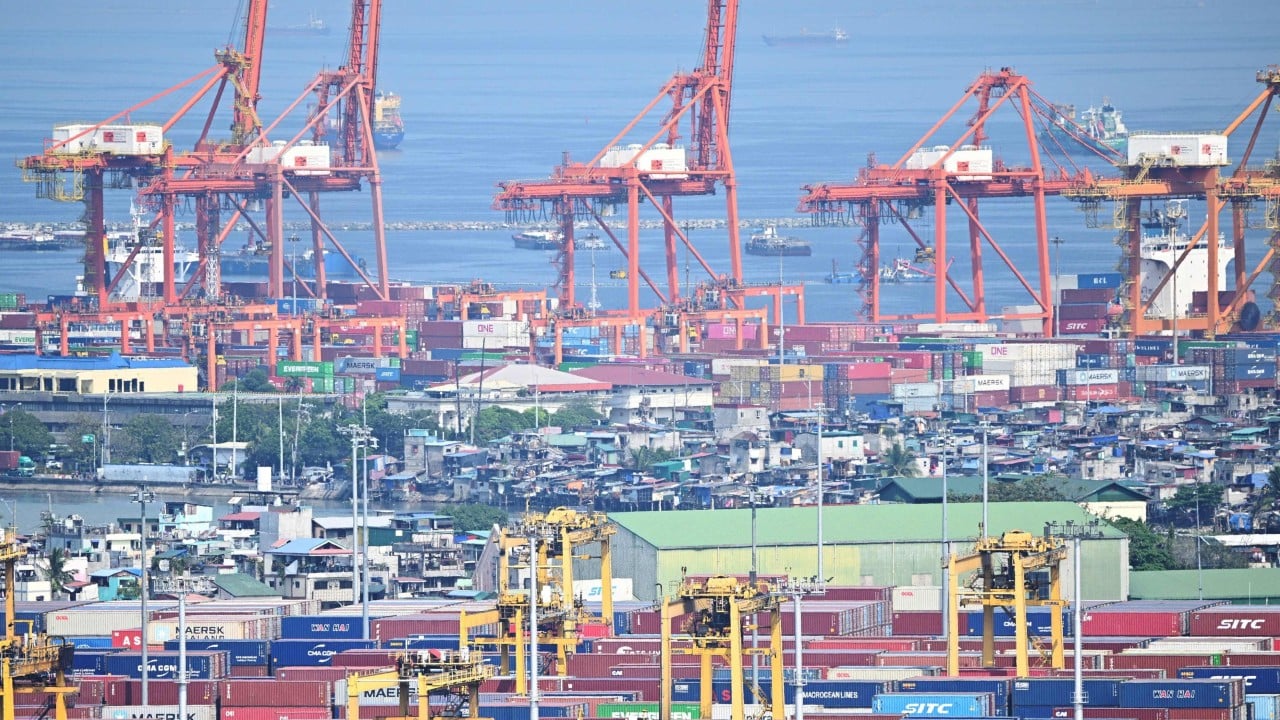
Not so long ago, the Philippines was bedevilled by warning signs to investors, from its corruption to its groaning infrastructure and a fuel crisis born of a war fought thousands of miles away.
Those problems have not simply disappeared, but a flurry of business-friendly reforms – paired with ambitious plans to upgrade the nation’s railways, ports and power grid – now puts it in a stronger position to capture some of the billions of dollars seeking a home outside the region’s recent supply chain winners, such as Vietnam and Malaysia.
With companies still fleeing Washington’s tariff war on China, Philippine President Ferdinand Marcos Jnr’s government has pushed through new laws on tax, governance and extended land leasing to entice global capital seeking a safe harbour in troubled times.
Meanwhile, its English-speaking population of around 117 million offers a ready labour force for companies considering relocation.

Taken together, these factors give the Philippines all the hallmarks of a global supply chain “rising star”, according to risk intelligence and data analytics firm Verisk Maplecroft.
“Despite lower infrastructure quality and governance challenges, including recent corruption scandals, the Philippines’ opportunities are knocking in electronics, auto parts and food manufacturing,” the company said in its recent 2026 Supply Chain Risk Outlook report.