
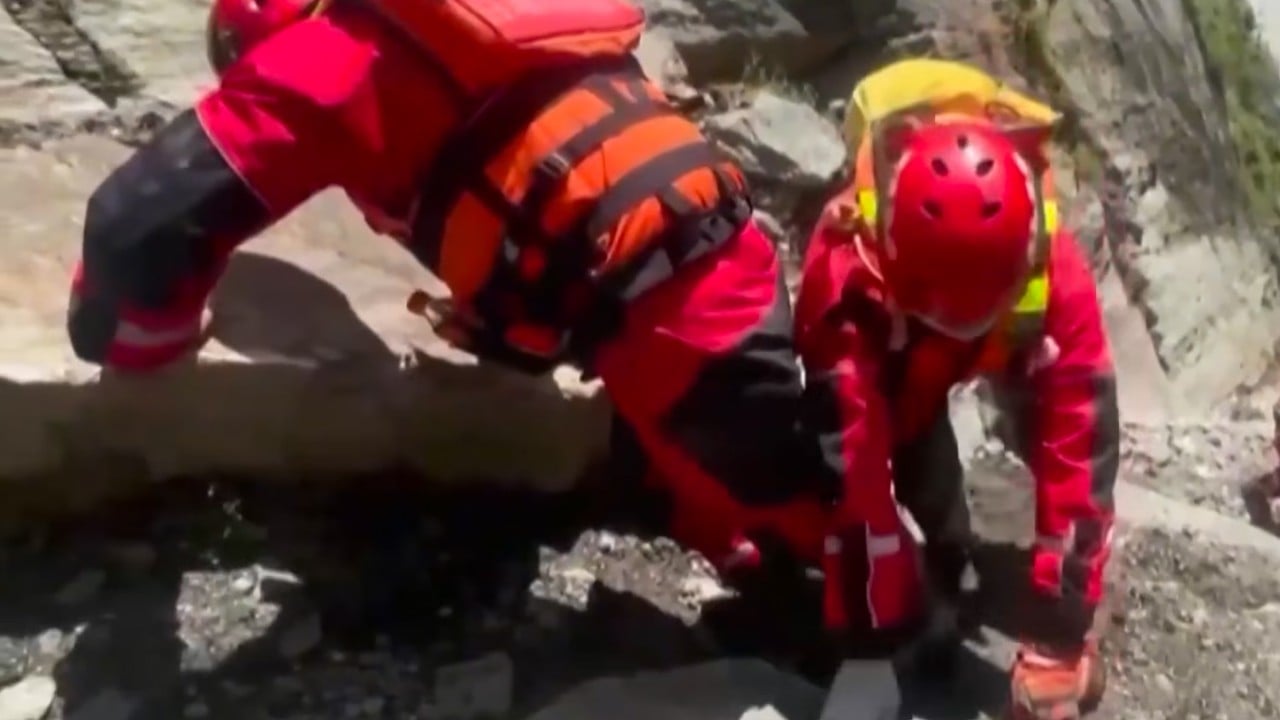
“I do not want to stop [searching]. If I pause, I start thinking about my brothers and sisters and all the moments of my life here.”
Gui Xinwei, deputy chief of the Gyirong Border Inspection Station, was speaking to Chinese state broadcaster CCTV from the ruins of his workplace, seven days after the devastating mudslide erased the port crossing where China and Nepal meet.
“I just don’t want to stop.”
Gui was away on holiday on August 26 when a glacier collapsed in Nepal, triggering a massive mudflow and floods that travelled 22km (14 miles) in just seven minutes, flattening the entire Gyirong Port area. Many of his colleagues were lost in the disaster.
Returning to the site, Gui found the 20-metre (65 feet) port building that had survived previous heavy floods as well as strong earthquakes completely gone.
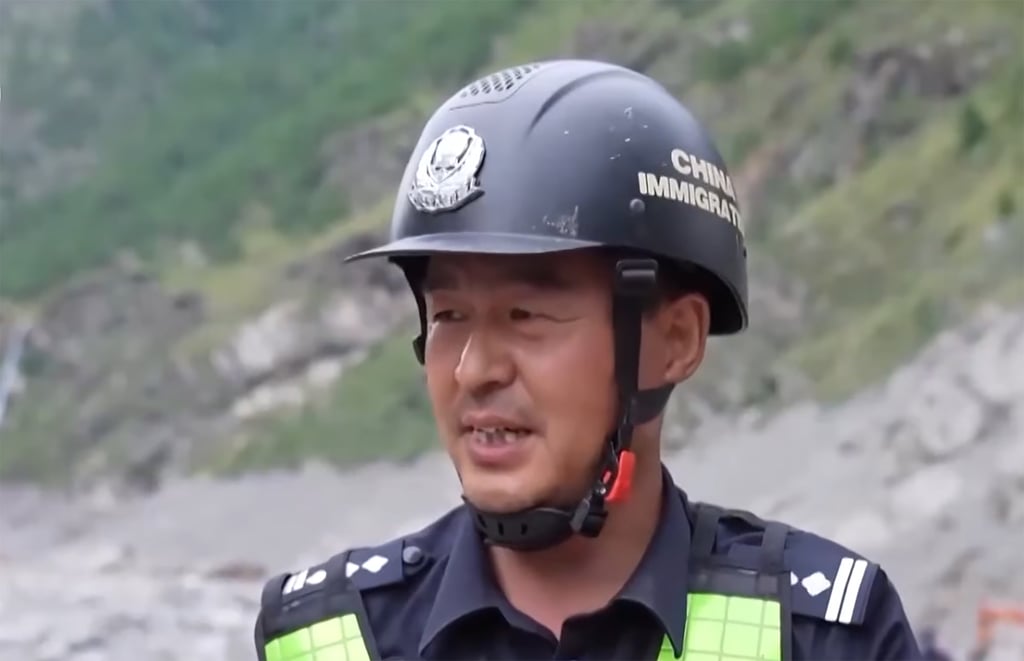
It was as if he had been thrown into “a parallel universe or a nightmare”, he said – until a pine tree on the mountain ridge reminded him that this was the very place where he had worked for more than 20 years.