
India is stepping up engagement with Indo-Pacific middle powers as uncertainty grows over the future of US security commitments in Asia, with analysts saying New Delhi is building a web of partnerships that allows countries with different strategic interests to cooperate without joining a formal alliance.
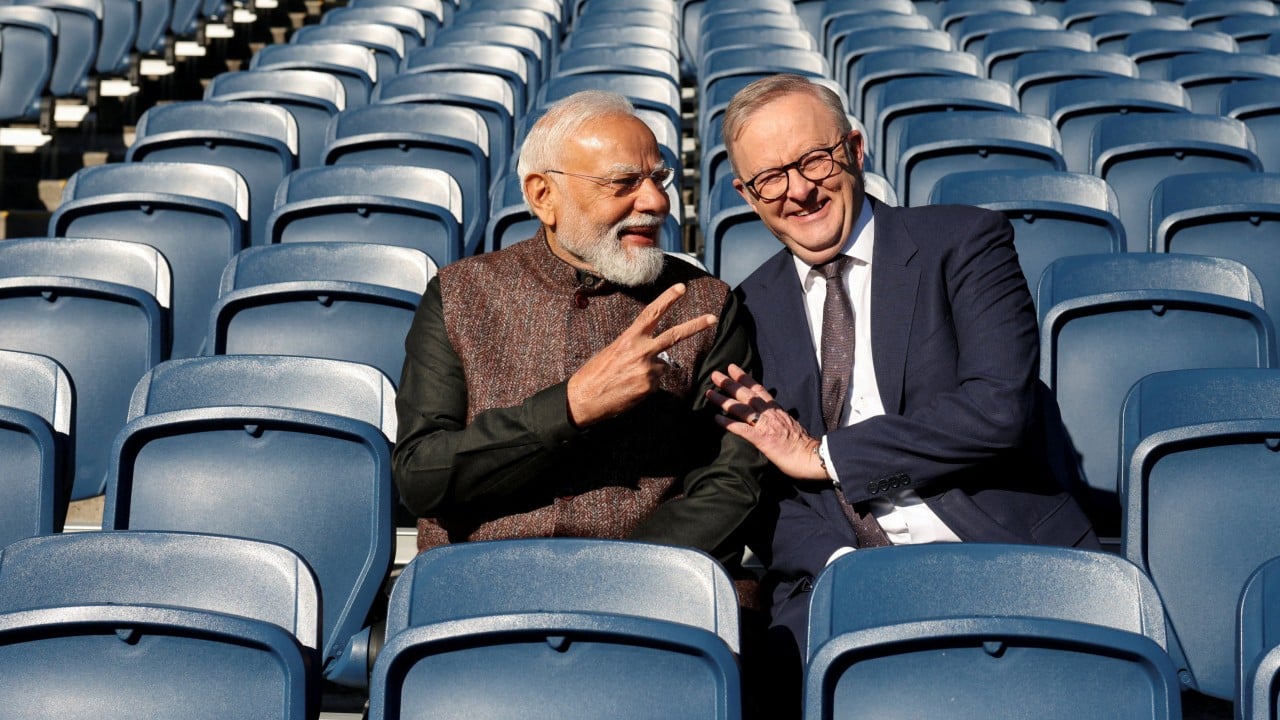
Prime Minister Narendra Modi went on a six-day diplomatic tour of the Indo-Pacific from July 6 to 11, visiting Indonesia, Australia and New Zealand, and signing a raft of agreements to boost defence, maritime security and trade.
The trip came within days of a visit by Japanese Prime Minister Sanae Takaichi to India from July 1 to 3, when she and Modi signed several important agreements, including their first-ever joint defence co-development project focusing on naval systems and equipment.
India’s approach reflected a preference for flexible partnerships over Cold War-style alliance structures, said Srinivasan Balakrishnan, director of strategic engagements and partnerships at the Indic Researchers Forum, a Delhi-based security think tank.
“This is not Cold War-style containment but a practical, multi-aligned network that fills the vacuum left by fluctuating US commitments,” he said, noting that India could leverage its credibility as a “non-hegemonic power” to become a net security provider in the region.
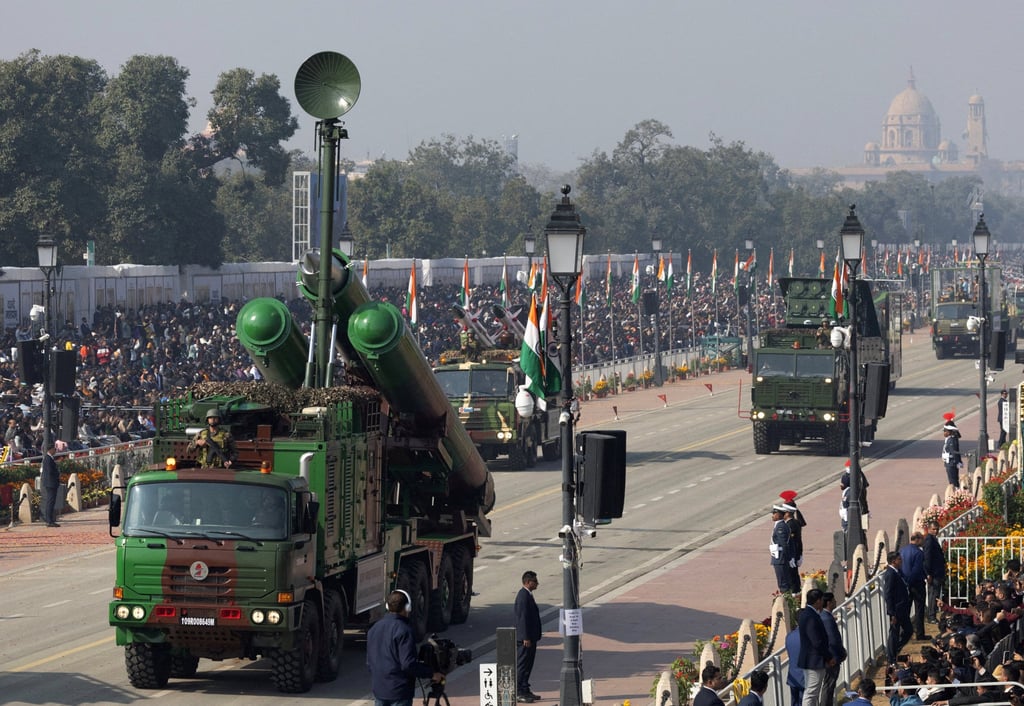
During his Indo-Pacific tour, Modi signed a defence package with Indonesia, including the finalisation of a BrahMos supersonic cruise missile sale, as well as agreements on cooperation in space and digital technology.