
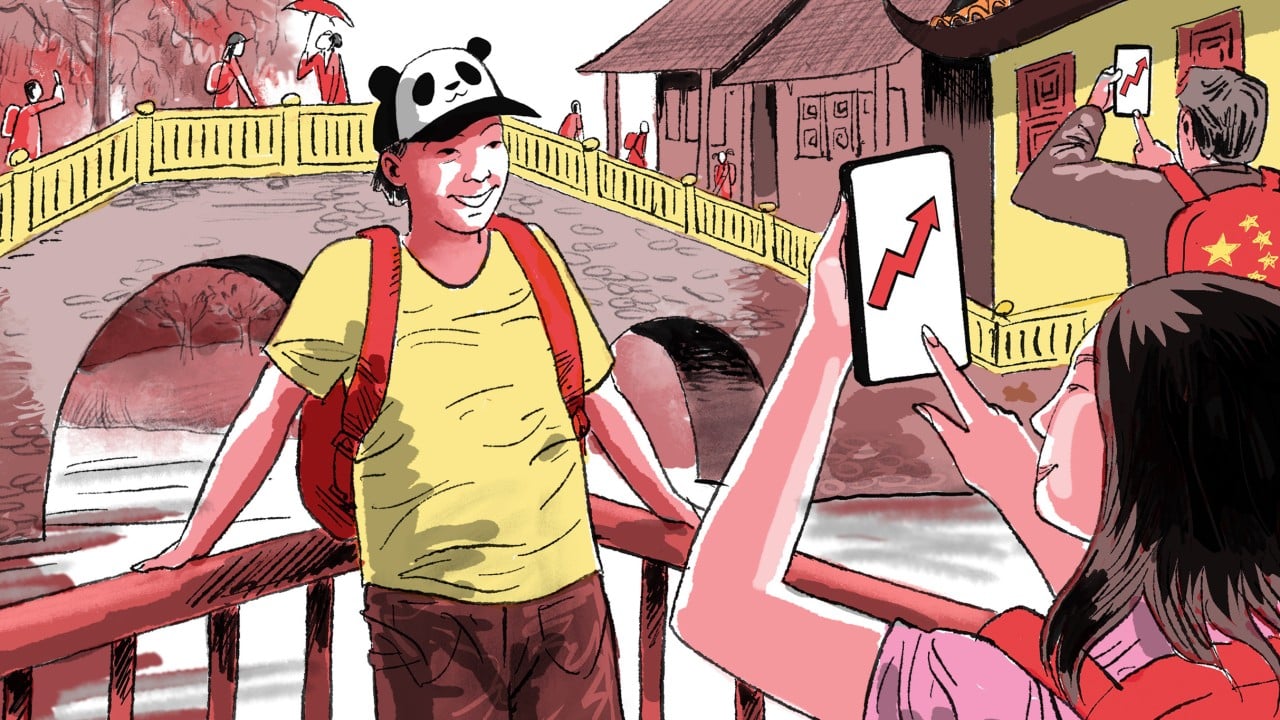
In the first half of this year, leisure travel within China exploded. As the summer travel season builds towards the Mid-Autumn Festival and the “golden week” that follows National Day on October 1, domestic travel has emerged as one of China’s most important, if underappreciated, drivers of consumption and growth.
During the extended Chinese New Year holiday, travel and consumer spending boomed. Domestic trips jumped to 596 million and spending surpassed 803 billion yuan (US$118.13 billion), each rising by nearly 20 per cent from the holiday period a year ago, which was one day shorter. Momentum continued with the May Day holiday, when domestic travellers made 325 million trips and spent 185.5 billion yuan.
The surge in travel and spending is no accident: the government added two more days of public holiday starting from 2025, specifically to boost leisure spending. Local authorities around the country have added school breaks for the same reason. The move is working.
Domestic travel has recovered faster than cross-border travel since the Covid-19 pandemic. During the Dragon Boat Festival holiday last month, domestic trips reached 124 million, up 4.4 per cent year on year, well above the 96 million trips in 2019.
Inbound tourism, by comparison, only approached pre-pandemic levels in 2024, when arrivals recovered to 97.2 per cent of the 2019 count and spending to 93.5 per cent. For investors tracking China’s consumer confidence, the domestic traveller is the one to watch.
And these travellers ride on existing infrastructure. Over two decades, China has built the world’s largest high-speed rail network, along with new airports, expressways and hotels. This capacity, criticised as overbuilt, is now being filled by domestic demand. Every weekend trip booked generates revenue at little to no new capital cost.