
Leading Chinese scientist Sun Fanglin, whose work on how cells age and form tumours helped pave the way for the development of new cancer treatments, has died aged 58.
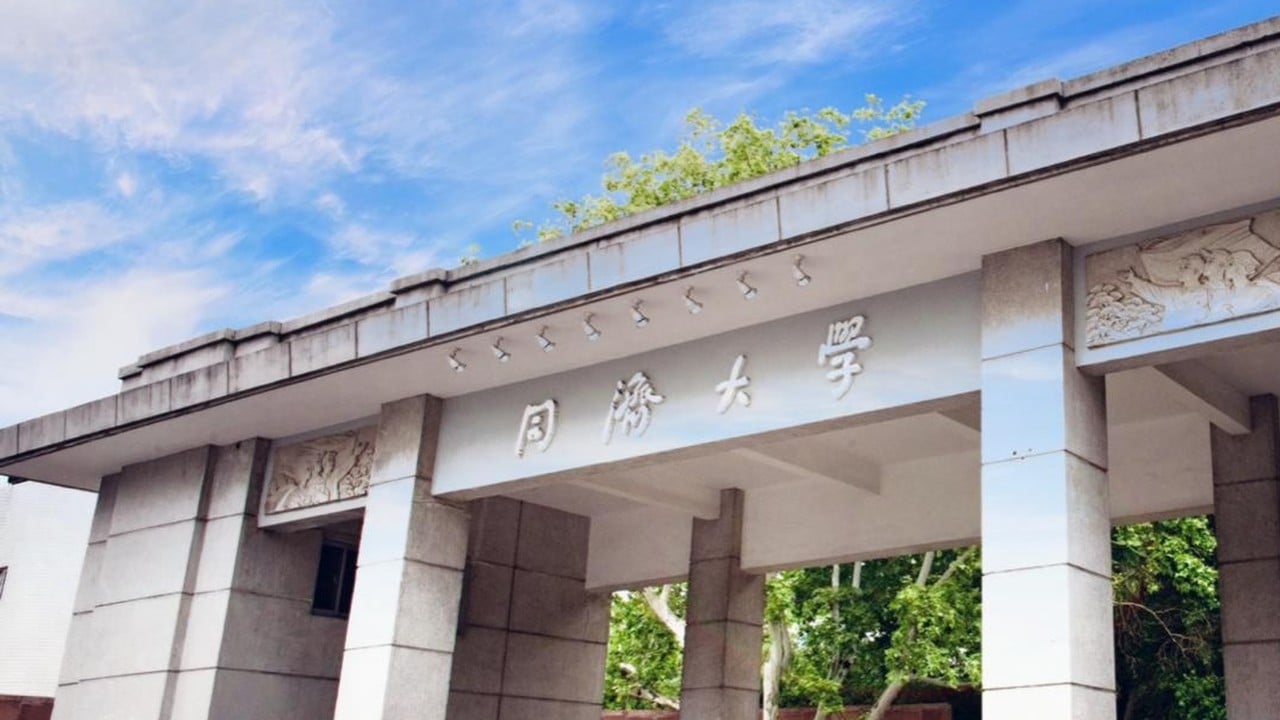
Sun was director of the Advanced Institute of Translational Medicine at Tongji University in Shanghai and former dean of its School of Life Sciences and Technology.
He had been receiving treatment for an undisclosed illness and died on July 10, the institute said in an obituary posted on its website.
The noted biologist specialised in studying how the ageing process is affected by gene regulation and epigenetics – the way behaviour and the environment can alter the way genes work.
He served as chief scientist for several national research programmes, including the National Programme on Key Basic Research, according to Tongji University.
His research team was the first in the world to crack the challenge of tumours becoming resistant to targeted drugs by discovering biological pathways to reverse the process, the obituary noted.
This breakthrough “provided a core theoretical framework for cell therapies and the development of new anti-tumour drugs”, it said.