
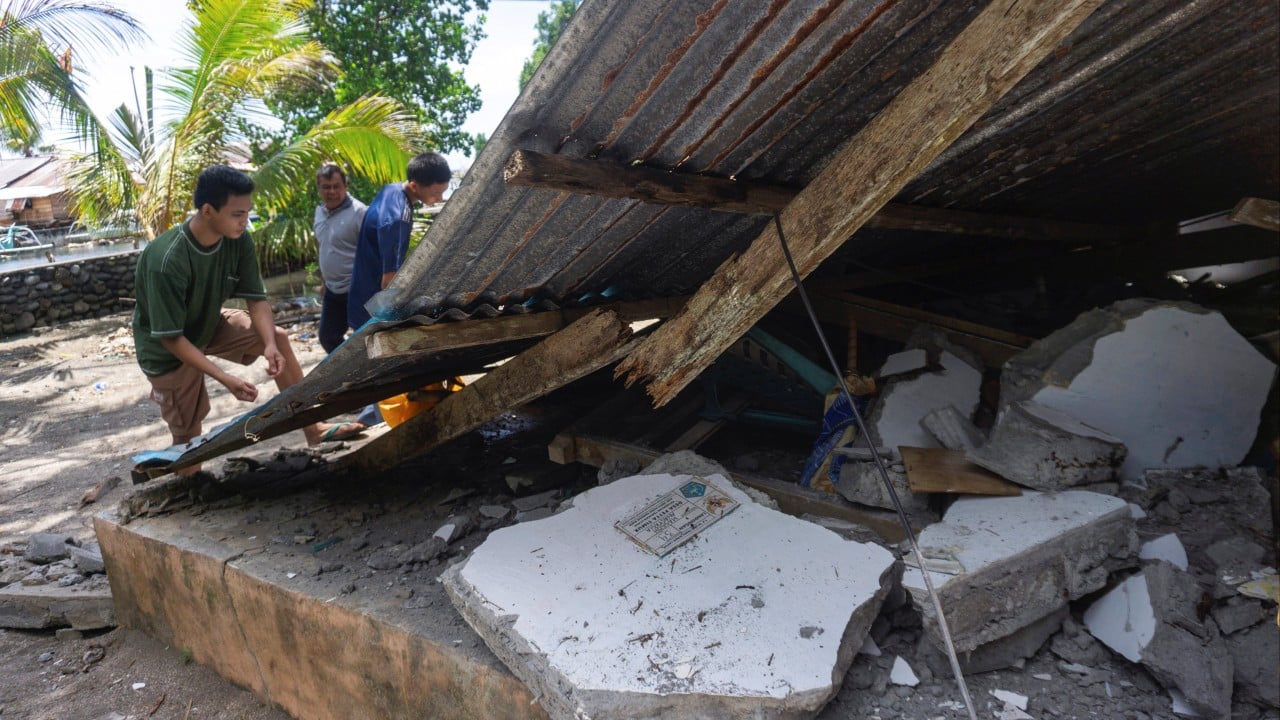
A powerful magnitude 7.8 earthquake that struck southern Mindanao on Monday morning served as a stark reminder of the Philippines’ vulnerability to a major quake in Metro Manila, disaster experts said.
The tremor, which triggered tsunami warnings along the southern coast, left collapsed buildings, damaged homes and debris-strewn streets in its wake. At least 19 people were killed and more than 130 injured, with scores still missing, local disaster authorities said.
For disaster planners, the destruction offered a glimpse of the stakes for the capital. Metro Manila sits along the West Valley Fault, a major fault running about 100km through the eastern city and neighbouring provinces. Scientists say it could produce a magnitude 7.2 earthquake – the so-called Big One – based on its size and past activity, with the last major rupture believed to have occurred in the mid-1600s.
Advertisement
Because the fault runs directly beneath densely populated areas, a 7.2 quake here could cause far more severe damage to buildings, infrastructure and lives than even a larger offshore earthquake, such as Monday’s 7.8 tremor.
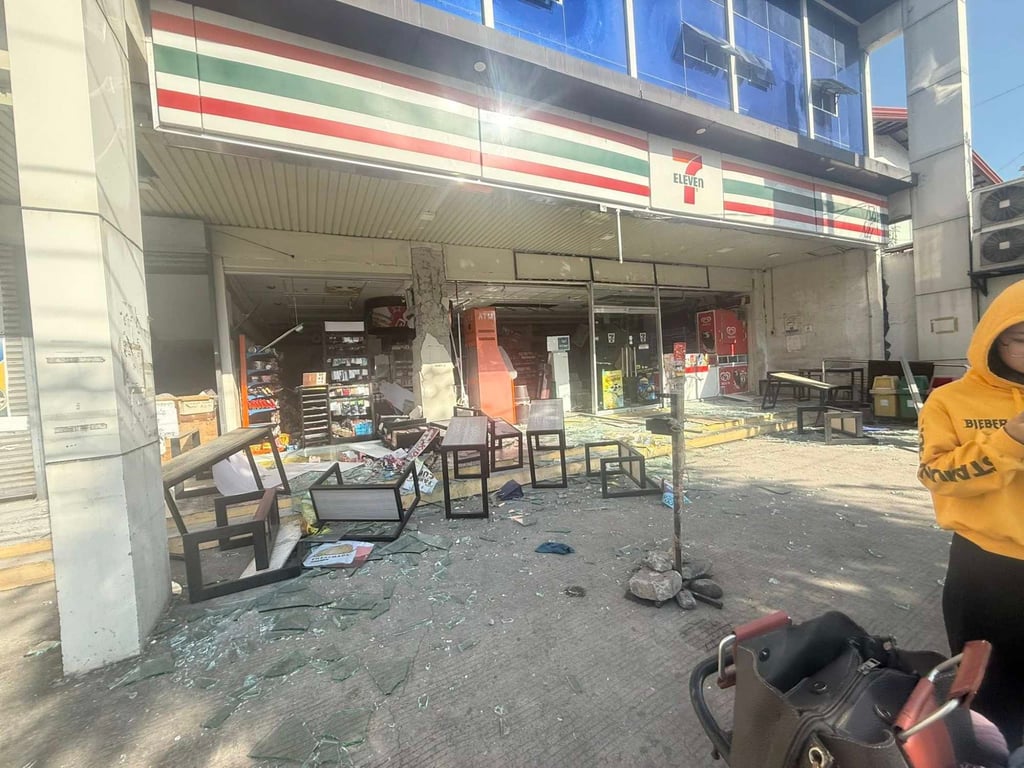
The collapsed buildings seen in Mindanao are only a small preview of what could happen should a similar earthquake hit Metro Manila, according to Rene “Butch” Meily, president of the Philippine Disaster Resilience Foundation, the country’s main private-sector coordinator for disaster risk reduction.
Advertisement
“And this happened right when people were at school or eating breakfast. My heart goes out to all the people there. I’m glad if many of them were outside the buildings. But it just underscores the danger to a city like Metro Manila that on an ordinary day is hard to move around,” Meily said.