
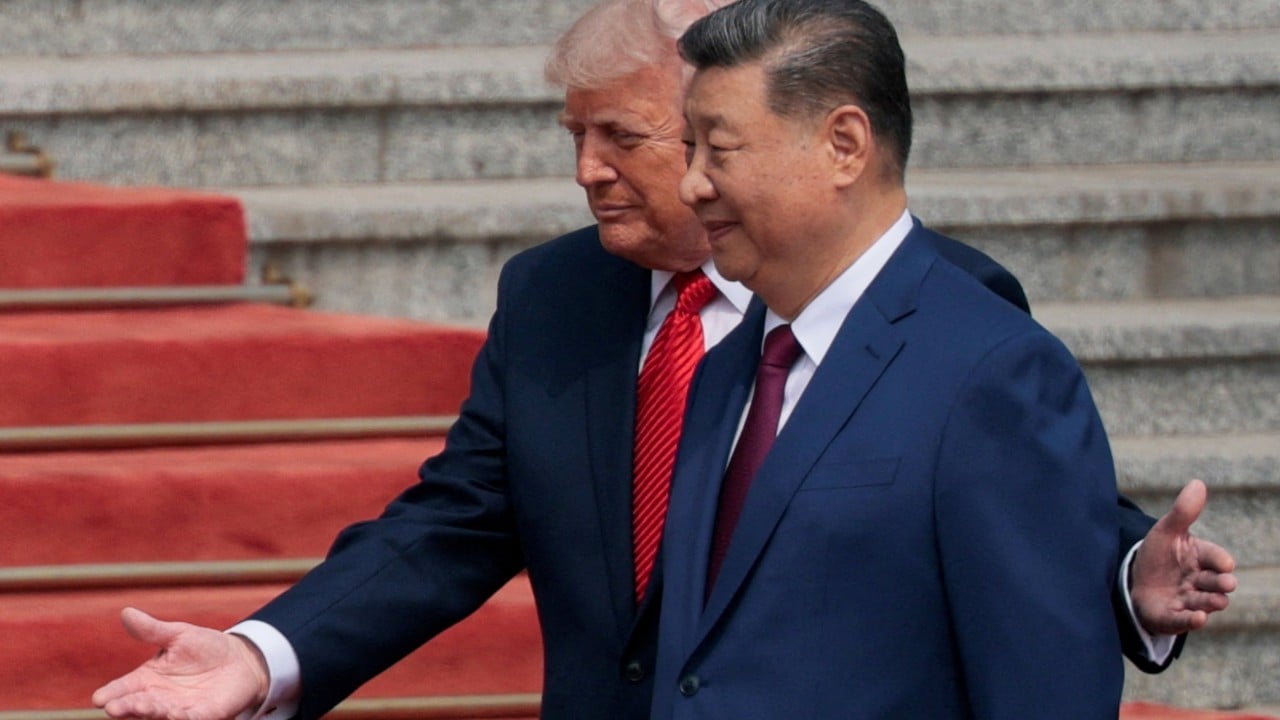
When Canada’s Prime Minister Mark Carney visited Beijing in January, US conservative podcaster Alex Jones accused him of bowing to China’s leadership.
In Canada, the opposition Conservative Party was no less scathing in its criticism. Party leader Pierre Poilievre questioned how Carney went “from saying China was Canada’s ‘biggest security threat’ before the election to announcing a ‘strategic partnership’ with Beijing after the election”.
But when Donald Trump visited China earlier this month, the tone was different. The US president was portrayed by conservatives on both sides of the border as standing up to China. In place of criticism, various US interest groups offered Trump suggestions on how to extract more concessions from China.
Advertisement
A week before Trump’s trip, Mike Pompeo, who served as secretary of state in Trump’s first administration, was telling a conservative conference in Ottawa that Carney should not have gone to China. Western leaders like Carney and Spanish Prime Minister Pedro Sanchez who “hedge with China” were, according to Pompeo, falling into a trap set to make them dependent on Beijing.
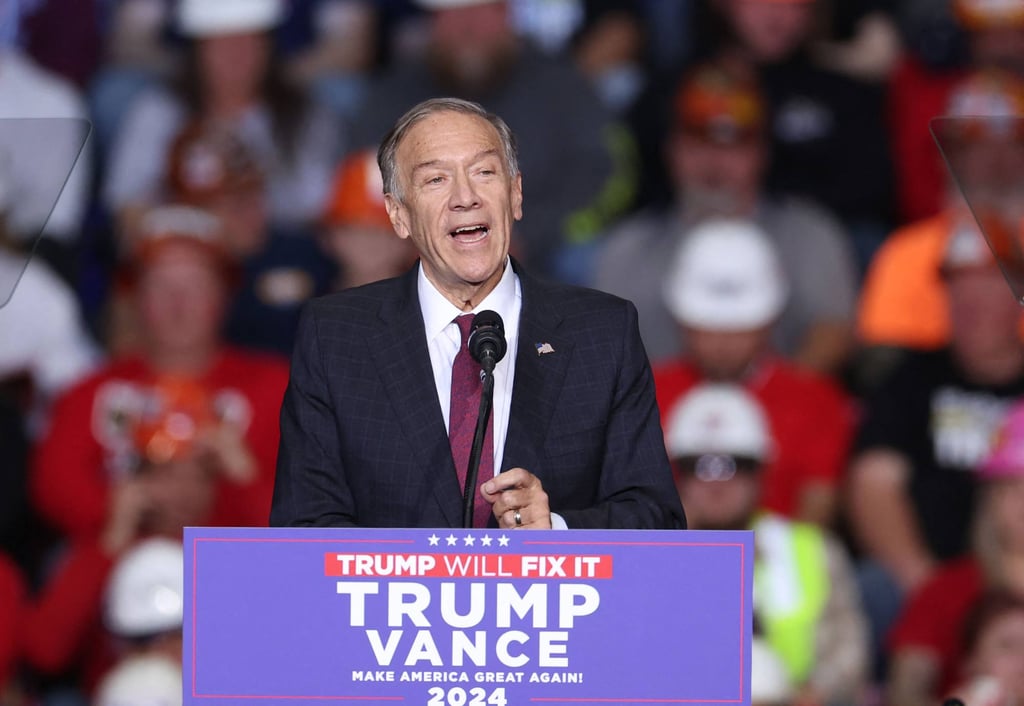
Converging in the praise of Trump’s visit and the criticism of Carney’s are two strands of conservative political tendencies that exist in Canada and the United States, according to Jia Wang, a senior fellow at the China Institute at the University of Alberta who tracks the “triangle” of US-Canada-China relations.
Advertisement