
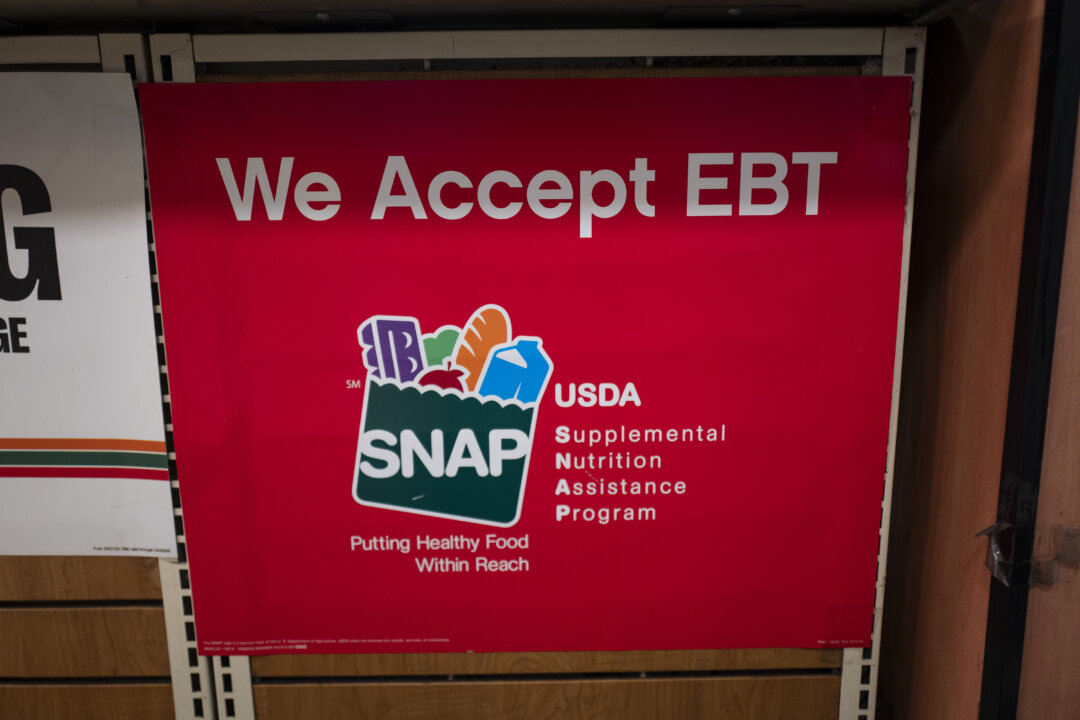
The U.S. Department of Agriculture has proposed tightening food assistance eligibility rules, a change it estimates would eliminate Supplemental Nutrition Assistance Program benefits for about 6.3 million people in 3.2 million households when fully implemented in 2029.
About 36.1 million people received SNAP benefits in July 2026, the latest month for which data are available. The USDA estimates that 17.6 percent of SNAP participants would lose benefits in fiscal 2029 under the proposed rule because their income or resources exceed standard federal limits.
The proposal, published Nov. 10, would restrict a pathway known as broad-based categorical eligibility. Under current rules, states can make households categorically eligible for SNAP if they receive certain non-cash benefits funded by Temporary Assistance for Needy Families (TANF). Those benefits can be as minimal as an informational pamphlet or access to a telephone number that provides referrals to services.
The proposal would end the use of such nominal TANF-funded benefits as the basis for qualifying a household without applying SNAP’s regular income and asset limits. Under the 2026 federal poverty guidelines, a family of four in the contiguous states and Washington, D.C., earning $66,000 a year is at 200 percent of the poverty level—the maximum gross income threshold many states currently allow under broad-based categorical eligibility—compared with SNAP’s standard gross income limit of 130 percent, or $42,900.
USDA says the change would restore the original, narrower purpose of categorical eligibility: simplifying applications for households already determined eligible for cash assistance, while ending the use of non-cash benefits to expand SNAP eligibility.
“Republicans continue to push policies rooted in cruelty,” Rep. Brad Schneider (D-Ill.) said Nov. 10 on X. “This new proposed rule would kick 6.3 million people off SNAP and end the streamlined eligibility that has allowed some of our most vulnerable to access the resources they need.
“We’re talking about cutting school meals, money for groceries during summer break, and nutrition assistance for mothers and infants—all while tossing billionaires more tax breaks. Democrats are ready to end the cuts and restore funding for critical programs like SNAP,” he said.
About 1.78 million children would lose automatic eligibility for free school meals. However, approximately 97 percent would remain eligible for free or reduced-price meals through another application process.
The Foundation for Government Accountability had called broad-based categorical eligibility a “massive federal loophole.” The nonprofit policy organization urged Congress to end it and said doing so would save taxpayers $112 billion over the next decade.
USDA projects the proposal would reduce federal SNAP benefit spending by approximately $44.6 billion over fiscal years 2027 through 2031.
As of December 2025, 46 states used broad-based categorical eligibility, according to the USDA, while 37 had gross income limits above SNAP’s regular federal standard and 41 imposed no asset limit.
Regular SNAP rules generally require households without elderly or disabled members to have gross income no higher than 130 percent of federal poverty guidelines and net income no higher than 100 percent. Some states use the broader pathway to allow gross incomes up to 200 percent.
Qualifying through that pathway does not guarantee a benefit, according to the USDA. States must still verify household income to calculate payments. Some eligible households of three or more members receive no benefits if their net income is too high. Eligible households with one or two members qualify for a minimum payment.
The proposal has not taken effect and remains subject to public comment and final rulemaking.
We had a problem loading this article. Please enable javascript or use a different browser. If the issue persists, please visit our help center.