
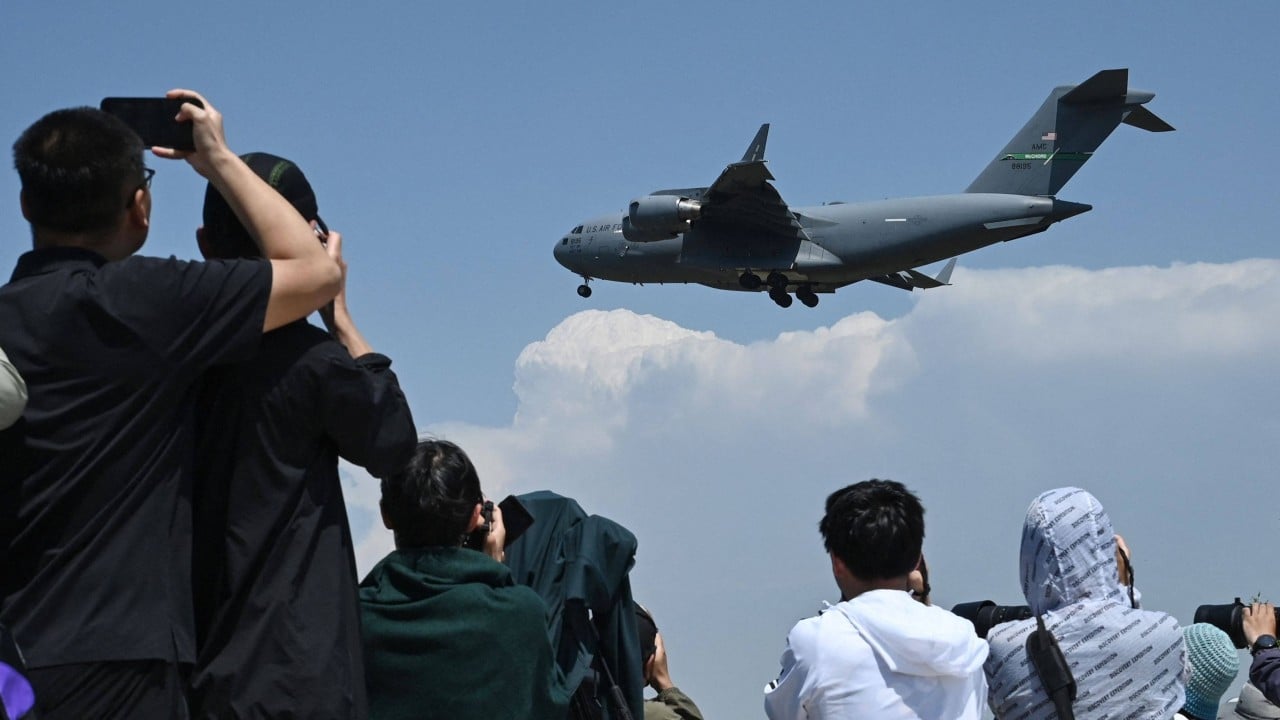
Against the backdrop of a shifting diplomatic landscape, US President Donald Trump is set to arrive in Beijing this week for a high-stakes summit. While Washington frames the visit, delayed by the war in Iran, as a pivotal effort to rebalance ties, the bravado of maximum pressure masks a deepening domestic vulnerability.
Trump’s arrival comes at a critical juncture; his administration faces multiple crises. The looming 2026 midterms have intensified pressure from a restless agricultural heartland and conglomerates frustrated by fragmented supply chains, all while stubborn inflation continues to sour the American mood.
This domestic discontent is reflected in Trump’s plummeting approval ratings, which have hit historic lows as voters grow weary of economic instability and the administration’s aggressive rhetoric. These internal fractures are mirrored on the world stage, where protracted conflict with Iran has triggered a sharp decline in US global standing.
Advertisement
Washington has reportedly demanded that China make large-scale purchases of US poultry, beef and non-soybean crops, alongside a commitment to buy 25 million metric tonnes of soybeans annually for the next three years. It is also pushing for massive imports of Boeing aircraft, as many as 500 737 Max aircraft along with dozens of widebody jets.
In April, the Trump administration brandished the stick of economic warfare, threatening a staggering 50 per cent tariffs should Beijing provide advanced weaponry to Iran. This is bolstered by the Pentagon’s national security blacklist, which has targeted vast swathes of the Chinese tech sector.
Advertisement
This month, the US Treasury Department ramped up its maximum pressure campaign by announcing a fresh round of sanctions against several Chinese entities and individuals, accusing them of supporting Iran’s military.