
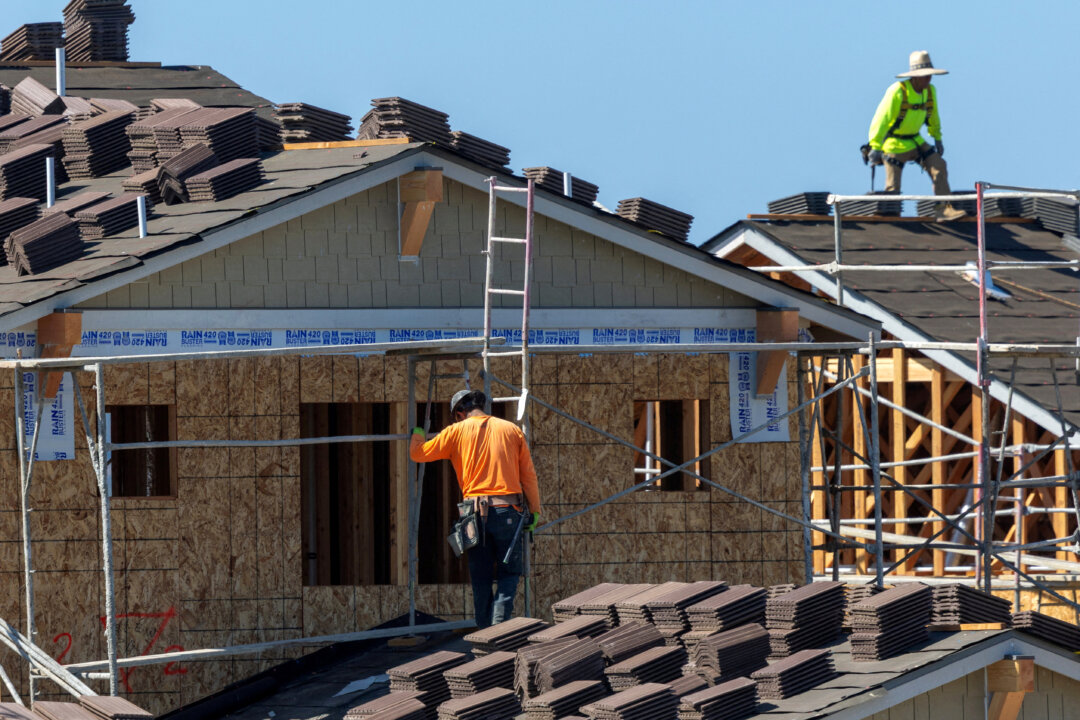
President Donald Trump took aim at lowering housing costs across the country Oct. 22 by ordering his administration to create a pilot program to cancel mortgage insurance, lower closing costs and mortgage rates for some borrowers, and boost manufactured homes.
“The American Dream of homeownership is a vital pillar of our great country,” Trump said in the executive order. “It is the policy of my Administration to reduce regulatory barriers to mortgage origination and costs impeding homeownership.”
The president also said he wanted to incorporate technology and artificial intelligence to lower costs and promote competition and innovation in the housing and mortgage markets.
The order directs Director of the Federal Housing Finance Agency Bill Pulte, who oversees the federal Fannie Mae, Freddie Mac, and the 11 federal home loan banks, to create a test program to automatically cancel private mortgage insurance payments for certain qualifying homeowners once they have built up enough equity in their homes.
This is expected to save some homeowners from paying the high costs for insurance every month, the White House said. Only mortgages obtained after the program starts will qualify.
Pulte said in a post on X that the initiative was “the greatest Housing Executive Order in History.”
Pulte, who also serves as the chairman of Fannie Mae and Freddie Mac, said the actions in the order would help Americans save thousands of dollars.
Pulte and Department of Housing and Urban Development Secretary Scott Turner will co-chair the Task Force on Manufactured Housing Innovation.
The committee is tasked with increasing the quality of manufactured housing and streamlining the permitting and regulatory burdens associated with building them.
The order also directed the task force to lower the cost of home building by making it easier to use modern manufacturing methods in factory-built housing production, among other actions.
“President Trump is a builder, and today he is committing to bring even more innovation and affordable housing solutions to market for the American People,” Turner said. “The Task Force on Manufactured Housing Innovation will continue to slash red tape, unleash private sector innovation, and deliver housing affordability for American families.”
The order also calls for Pulte to find ways to reduce excessive title insurance, especially in refinancing.
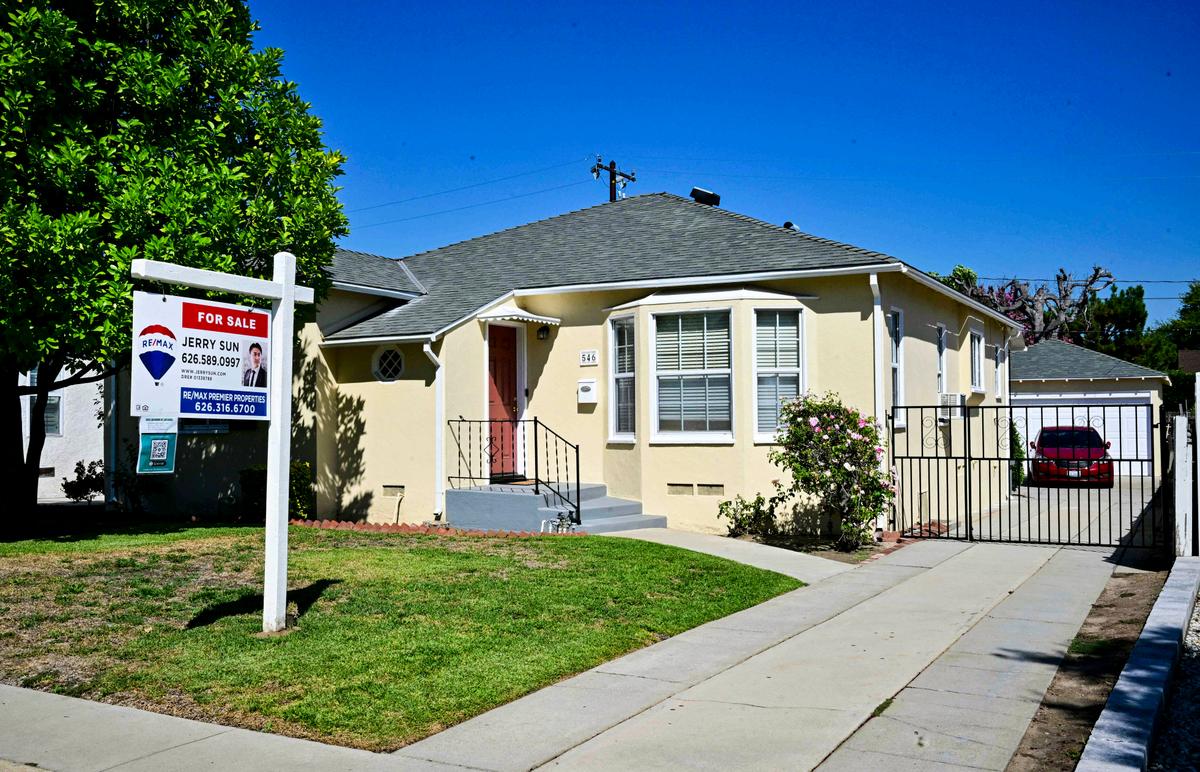
The federal Agriculture and Veterans Affairs secretaries are also ordered to reduce the interest rates charged on single-family home loans made directly by their departments.
The National Association of Realtors applauded Trump’s initiative to lower housing costs and “continued efforts to make housing more affordable and expand access to the American dream of homeownership.”
“President Trump’s latest Executive Order helps address the costs associated with homeownership and takes steps toward making homeownership more sustainable for American families,” Shannon McGahn, executive vice president and chief advocacy officer of the association, said in a statement.
The administration’s efforts come at a time when the U.S. housing supply continues to increase.
Existing home sales increased by 1.5 percent month over month in September, according to the National Association of Realtors.

Although sales have increased month to month in the south and west, year-over-year sales have declined nationwide. The higher inventory and longer days on the market give buyers better negotiating power, the association’s chief economist, Lawrence Yun, said.
The U.S. Department of the Treasury also issued proposed regulations Thursday to make homeownership more affordable.
The ROAD to Housing Act would restrict large institutional investors from buying single-family homes. It would also codify Trump’s executive order, signed in January, restricting the purchase of single-family homes by investors, integrating it into permanent regulations.
Starting on Jan. 7, 2027, large institutional investors may not purchase or enter into a contract to buy single-family homes unless it qualifies as an exception. The investors are defined as businesses that invest in, own, rent, manage, or control at least 350 homes.
The rule has to go through a process before it is adopted. The public has 30 days to comment on it.
We had a problem loading this article. Please enable javascript or use a different browser. If the issue persists, please visit our help center.