
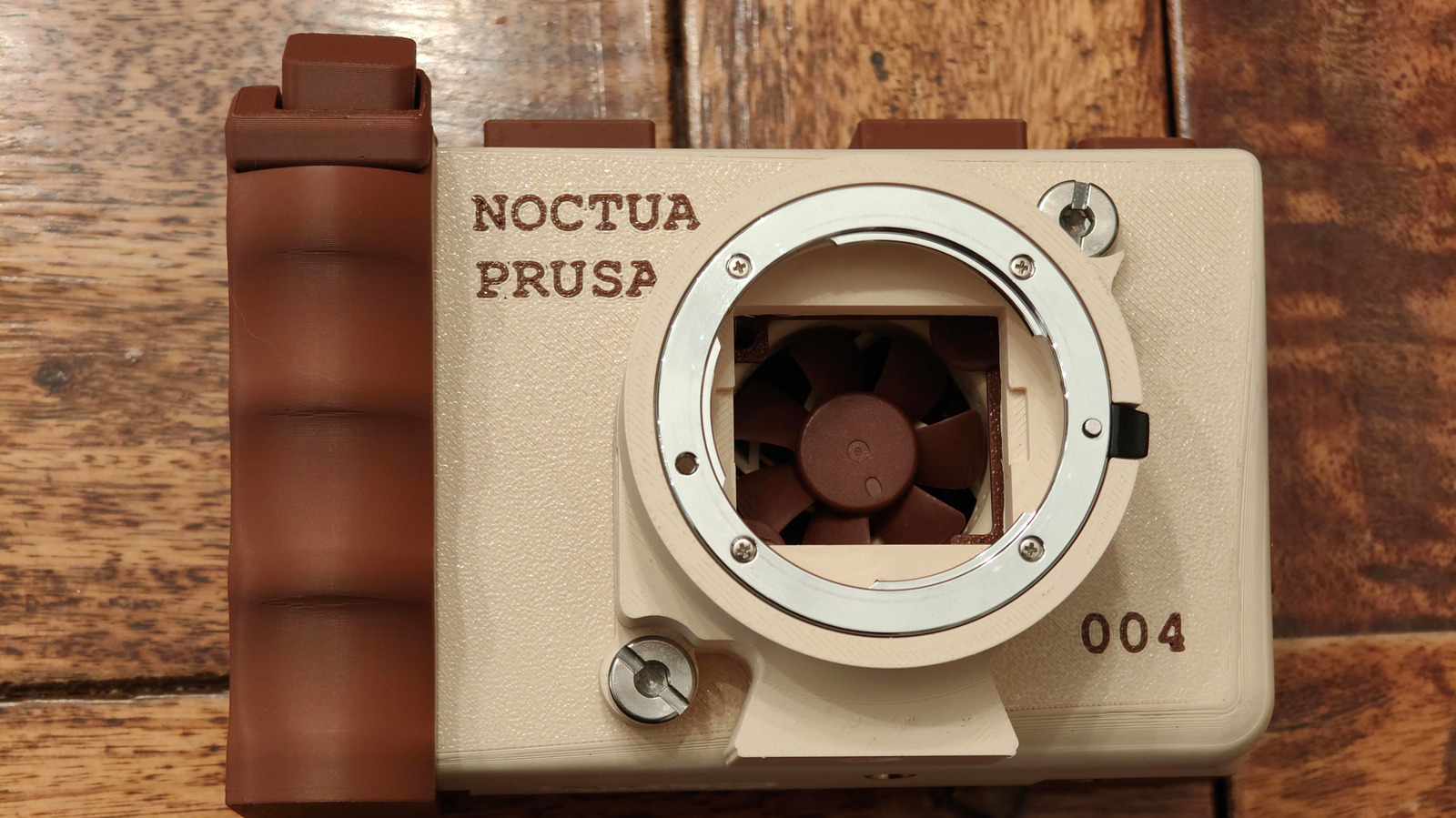
CAIM1’s authentication process begins with its silicon chip, the Tropic01, which Tropic Square describes on its website as the “world’s first auditable secure element.” When CAIM1 snaps a photo, light photons pass through a “digital vault” on their way to its sensors, creating hardware-level verification embedded directly in the image. Because of irregularities in the silicon chip’s manufacturing process, no two digital fingerprints are the same, ensuring that each signature is wholly unique.
Once captured, verification is stored on what CAIM1 describes as an “immutable decentralized infrastructure,” creating an unchangeable, auditable, anonymous record verifying its validity. To protect users’ information, CAIM1 encrypts this sensitive data through advanced physical noise systems and internal encryption methods, deploying digital tripwires and advanced encryption to prevent outside access via stolen encryption keys or brute force attacks.
Of course, CAIM1 isn’t the only company investing in hardware-led photographic verification. Apple for instance, launched hardware attestation for its iPhone 18 Pro and 18 Pro Max’s through its Reference Image system. Sony, Canon and Nikon, meanwhile, announced a joint initiative to embed digital signatures in their camera’s photographs in 2024.
However, CAIM1’s founder explained in a blog post by Tropic Square that the company’s cameras are more transparent than its competitors, as Tropic Square’s chips allow both researchers and the general public to “audit its internal architecture.” Comparatively, competitors require “users to place blind faith in a single corporate entity’s closed ecosystem,” said Cowell.
The camera can also create a physical receipt for every image. The paper includes a permanent QR code to access the photo, a blockchain reference number, critical information such as the date, time, and location of the photograph, and a unique access code enabling digital access to the photograph.