
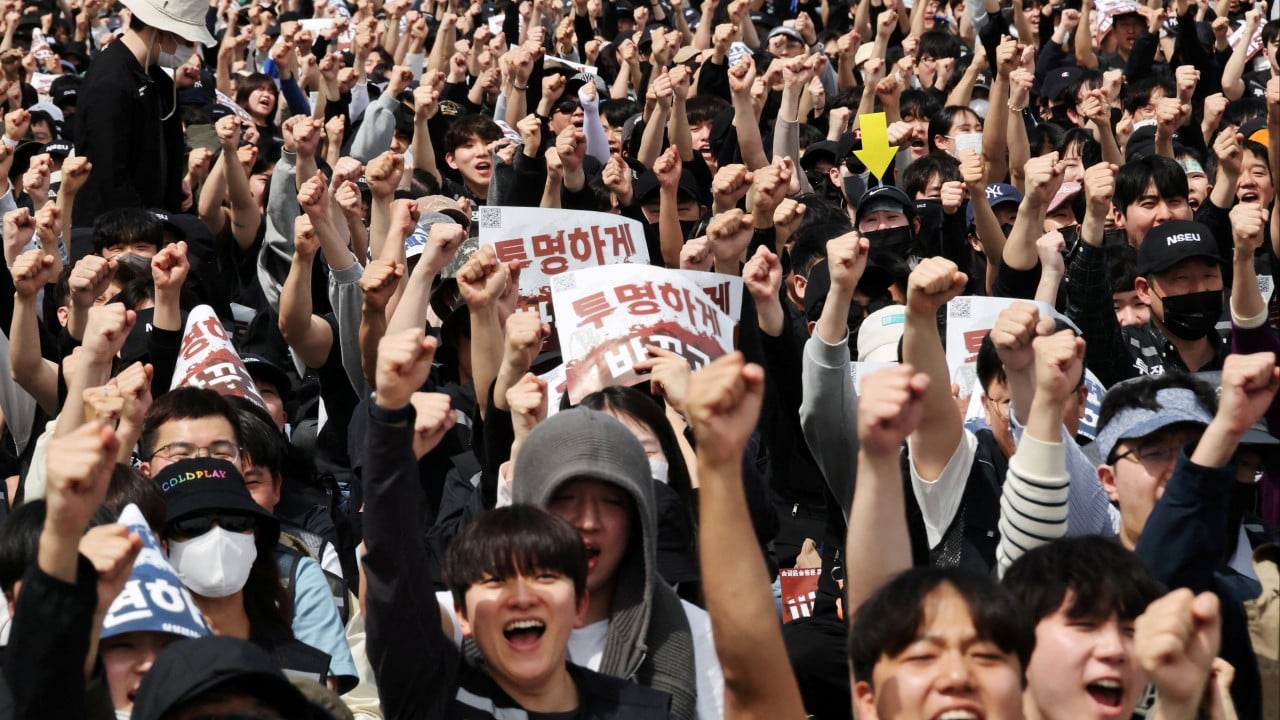
In South Korea, the clock is ticking on what threatens to become the most consequential labour dispute in recent history – and Seoul is running out of patience.
With 50,000 workers at Samsung Electronics poised to walk off the job on Thursday in an 18-day strike, the government of President Lee Jae Myung finds itself cornered by a crisis it cannot afford to mishandle, with up to 100 trillion won (US$66.7 billion) in projected economic damage on the line, plus the potential disruption to global semiconductor supply chains.
The government’s response so far has been a calibrated escalation of pressure. Labour Minister Kim Young-hoon has shuttled between both parties in a bid to resuscitate government-mediated talks that collapsed last week.
Advertisement
Prime Minister Kim Min-seok warned on Sunday that if the strike “threatens massive damage to the national economy, the government would have no choice but to consider all possible response measures”. This would include “emergency arbitration”.
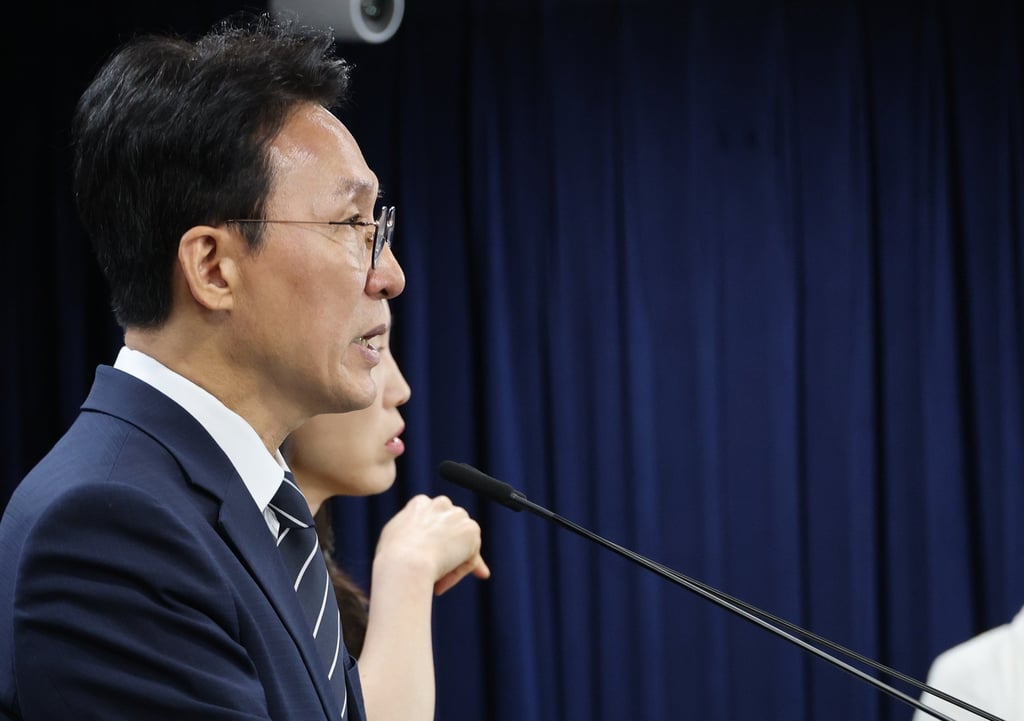
South Korean labour law grants the government the ability to immediately suspend industrial action for 30 days by invoking emergency arbitration, triggering a compulsory mediation process before the National Labour Relations Commission.
Advertisement