
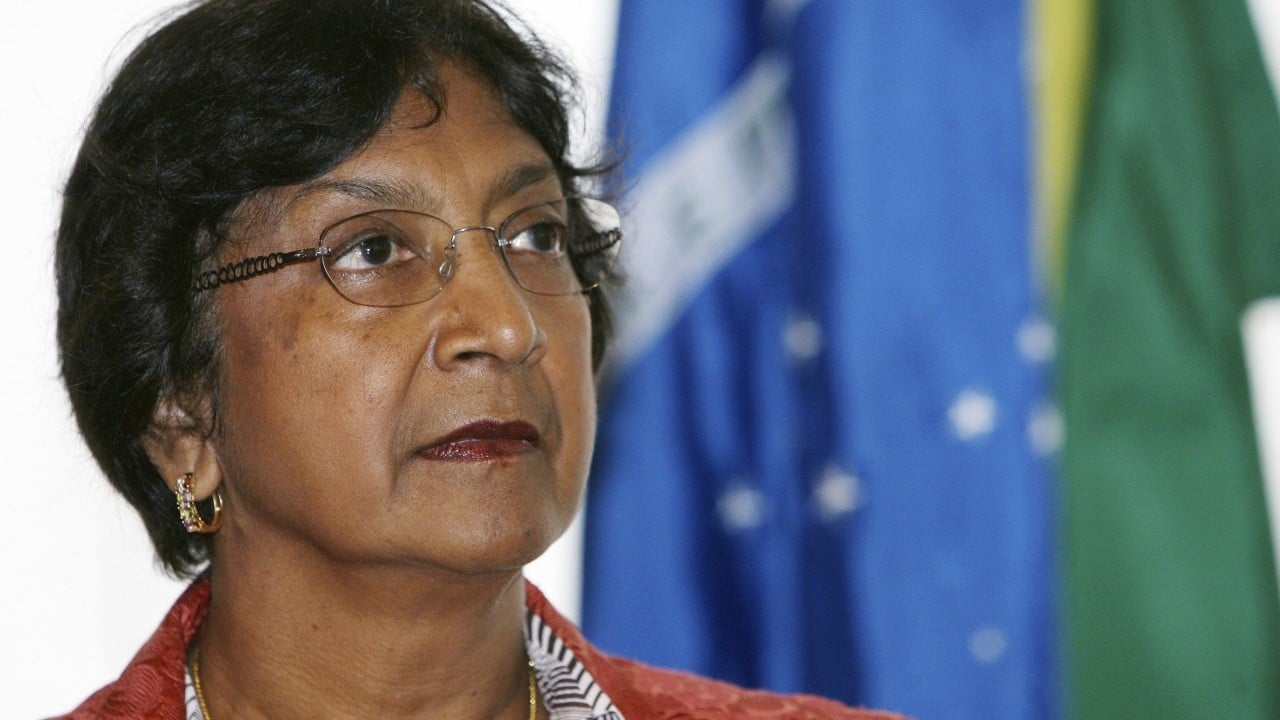
The awarding of the 2026 Nobel Peace Prize to South African jurist Navanethem “Navi” Pillay matters for reasons that go well beyond the laureate herself.
The award does three things at once. First, it restores credibility to the prize. Second, it rejects in unambiguous terms the Thrasymachian doctrine that might is right, which has become the operating philosophy of major powers. Third, it highlights a warning of what happens when a hegemon decides it is above the law.
The correction was overdue. Last year, the Norwegian Nobel Committee gave the Peace Prize to Venezuelan opposition leader Maria Corina Machado, in what was widely read as a political signal. Machado, however, then gave her prize to US President Donald Trump.
Whatever one’s view of Venezuelan politics, that act made a mockery of an institution founded on Alfred Nobel’s will: that the prize go to the person who has done the most for fraternity between nations, for the abolition or reduction of standing armies, and for the promotion of peace congresses. A Nobel Prize cannot be re-gifted like a souvenir. As the organisers made clear, “a medal can change owners, but the title of a Nobel Peace Prize laureate cannot”.