
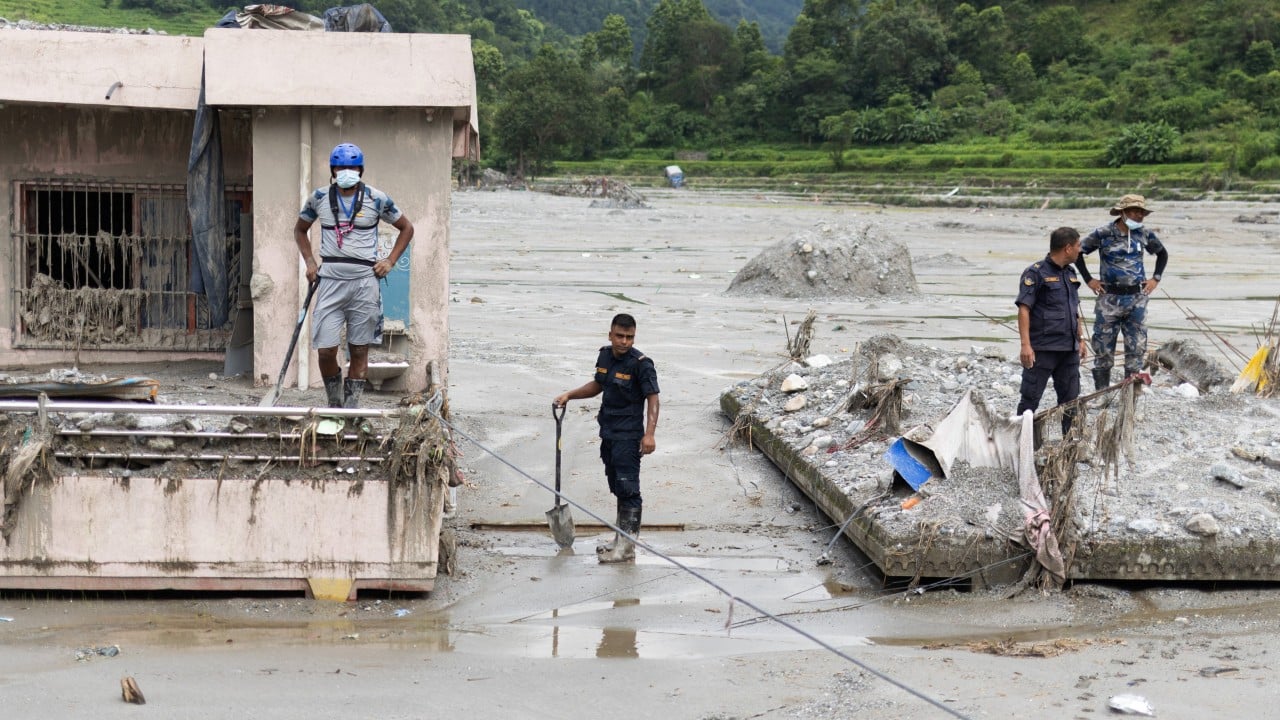
Even as rescuers search for the thousands still missing in Nepal after catastrophic flooding that killed 1,250 people, the nation’s leaders face a second immense challenge – how to pay for recovery and rebuilding.
The tab is expected to come to at least US$5 billion, an enormous sum for one of Asia’s poorest countries, and the fund it is hoping to tap is new, underfunded and untested.
Nepal is seeking compensation for climate change-related damages from a United Nations fund set up to help developing nations deal with the worst impacts of global warming.
On Tuesday, the country sent a letter to the fund’s co-chairs asking for immediate support and arguing that the international community’s promises “must move from commitments on paper to concrete action on the ground”, Foreign Minister Shisir Khanal told reporters last week. The letter did not quantify the losses or specify how much money the nation was requesting.
The United Nations Fund for Responding to Loss and Damage emerged from annual global climate talks in Sharm el-Sheikh, Egypt, in 2022. It was intended to help address a central injustice of climate change: developed countries, which became rich by taking advantage of fossil fuels, contributed the most to the problem, while poor countries that have emitted far less are the most likely to suffer the impacts of warming and are often the least prepared.
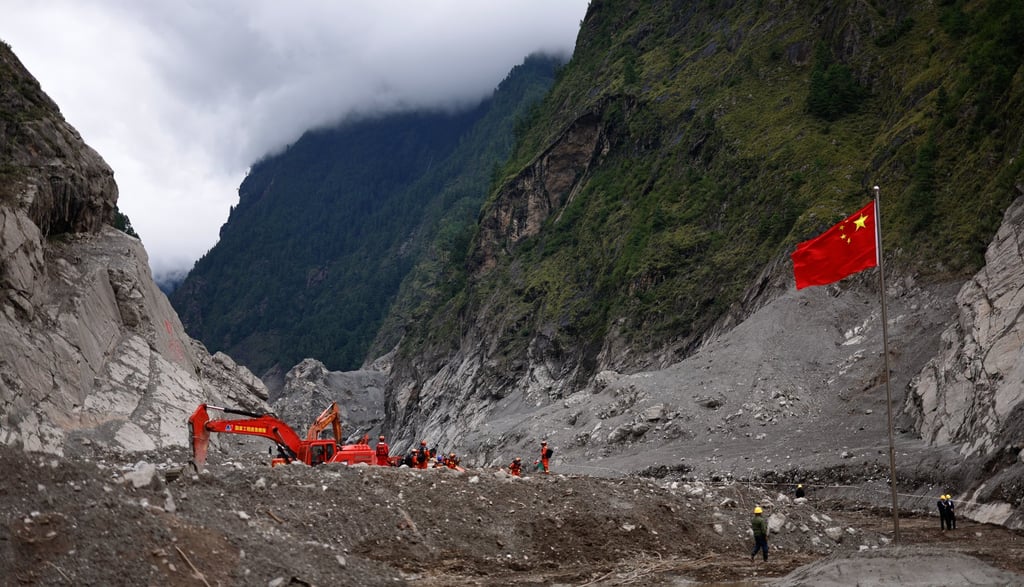
The precise role climate change played in the August 26 disaster is not yet fully established. But the Himalayas are highly vulnerable to warming, as permafrost and glaciers thaw, rendering rock, soil and ice unstable. Climate-linked disasters such as glacial-lake floods have become more frequent in recent decades.