
Every year for the past three years, Edward Sugiana has made the same pilgrimage from Vancouver to a memorial hall on the southern fringes of Seoul that has become one of K-pop’s most sacred and sorrowful sites.
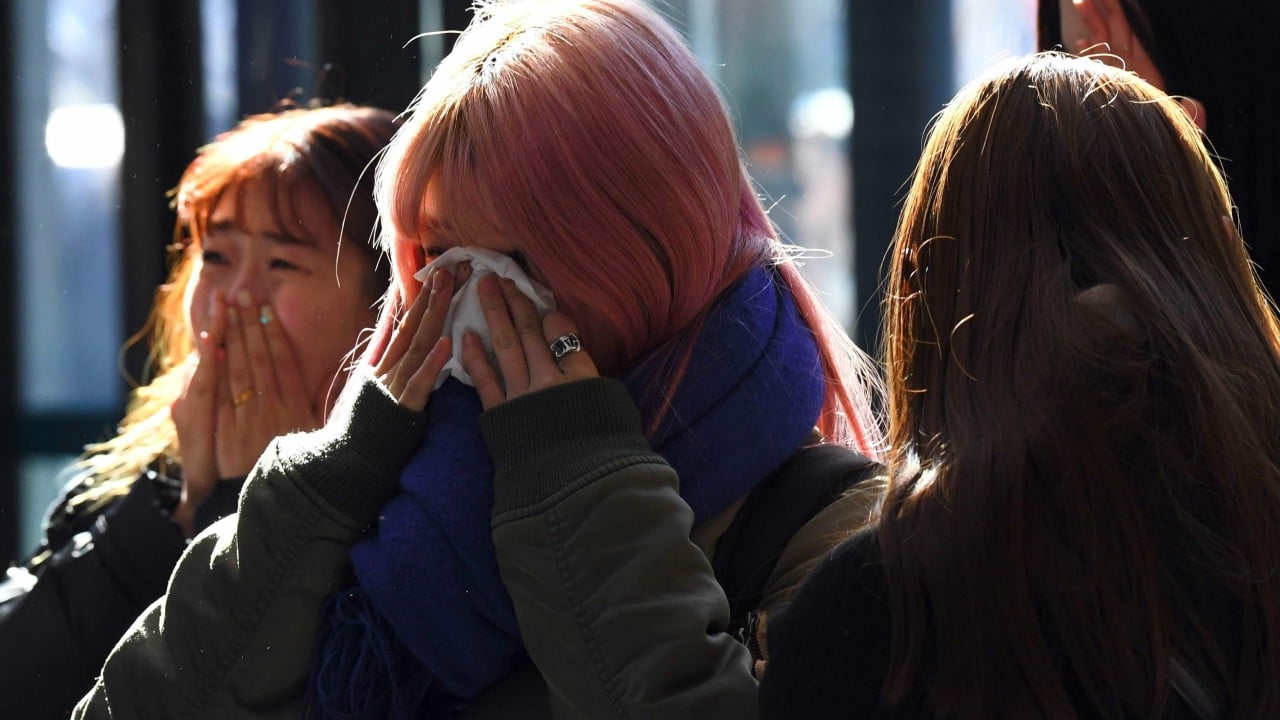
Inside a small private room, Post-it notes from fans cover the walls alongside flowers and photographs of the girl group Kara. Nearly seven years after her death, visitors continue to arrive to pay tribute to Goo Hara – a woman many never met, but whom thousands feel they lost.
“At the end of the day, she was just a human being who received abuse from people who didn’t even know her,” Sugiana said.
Advertisement
“She was thrown into a harsh and conservative environment where it often felt like nobody truly cared for her, not even the people managing her career.”
What kept bringing him back was pity, he said.
Advertisement
That sentiment, of grief shading into guilt, echoes across the global fandom communities still mourning the deaths of Goo, her close friend and fellow K-pop star Sulli and Jonghyun of Shinee, three of K-culture’s biggest names who were taken too soon.
