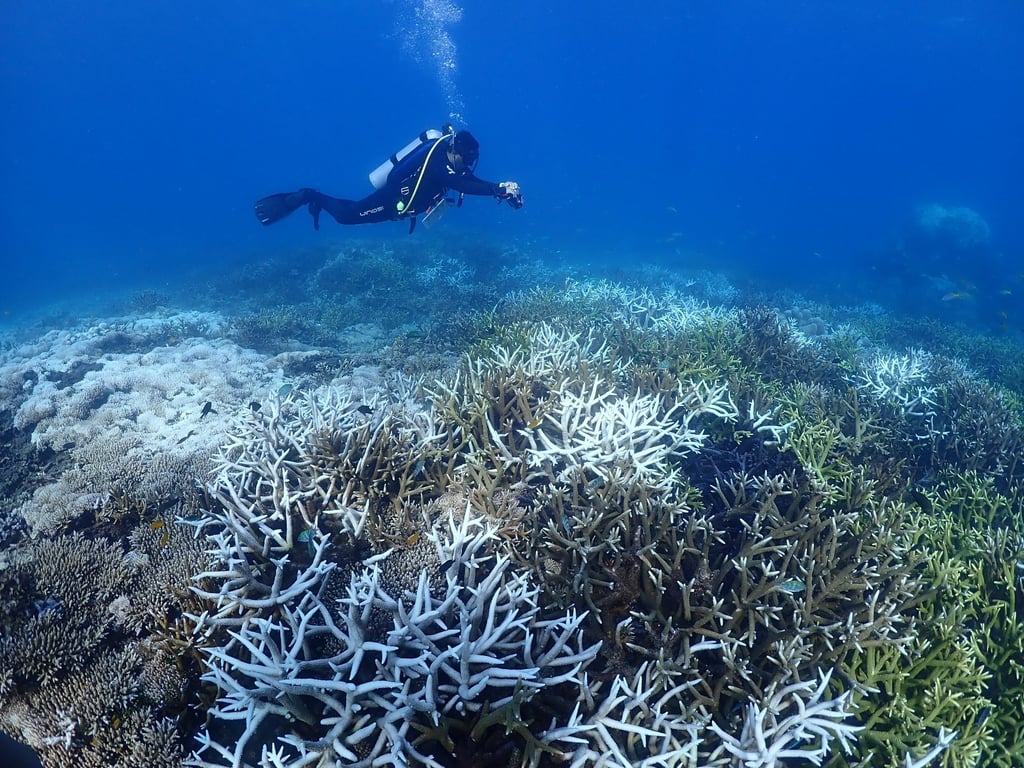
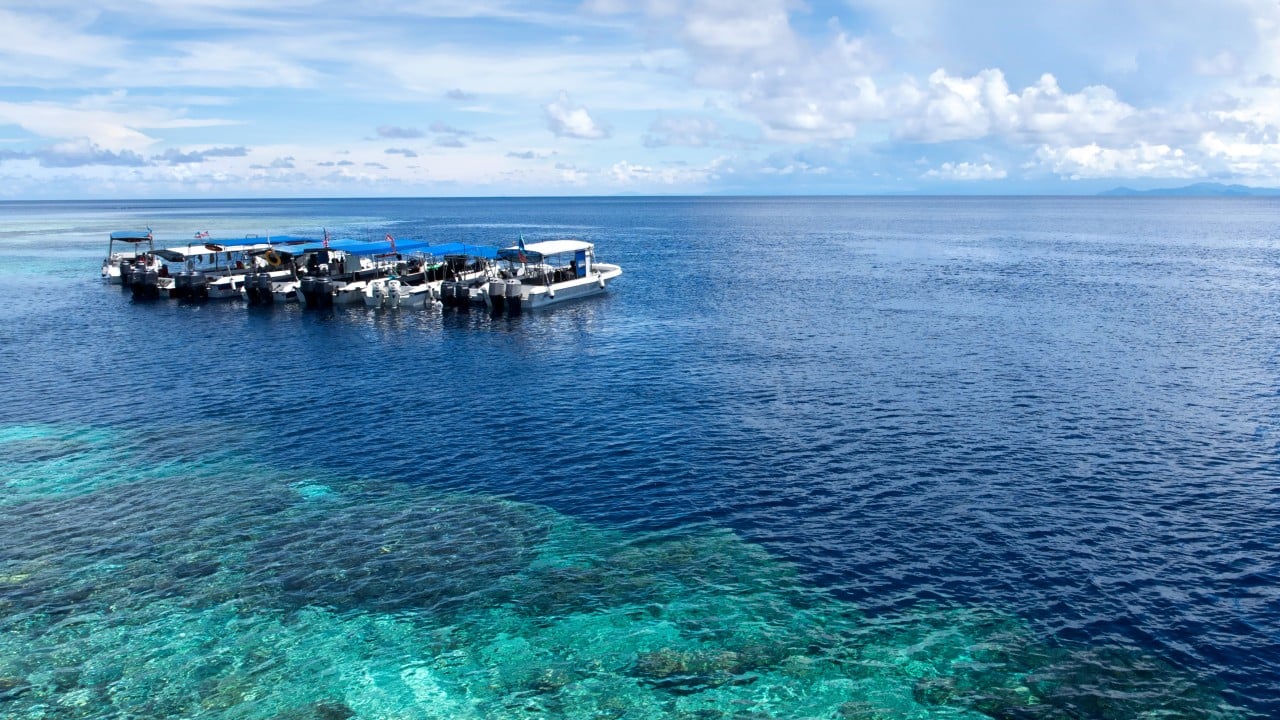
Every booking inquiry that lands in dive operator Richard Swann’s inbox these days carries the same undertow of anxiety. Before his clients commit to a dive trip off Kota Kinabalu, they want reassurance: are Sabah’s reefs still worth the journey?
It is a question that would have seemed strange a generation ago, when the waters off Malaysian Borneo were simply assumed to be among the finest on Earth. Now it is one of the first things visitors ask and the answer, according to a new environmental report, has never been more uncertain.
“Visitors increasingly ask about reef health, coral bleaching, marine protection and sustainability before they even make a booking,” the director of marine tour agency Downbelow said.
Sabah sits at the heart of the Coral Triangle, the most biodiverse marine region on the planet, hosting more than 76 per cent of the world’s coral species and supporting fisheries that feed millions across Southeast Asia.
Yet a first-of-its-kind report by environmental watchdog RimbaWatch has found that 86.8 per cent of Malaysia’s sensitive marine environments are in oil production areas.
The report, released on June 8, maps active and proposed offshore oil and gas blocks against coral reefs, marine protected areas and the wider Sulu-Sulawesi Ecoregion.