
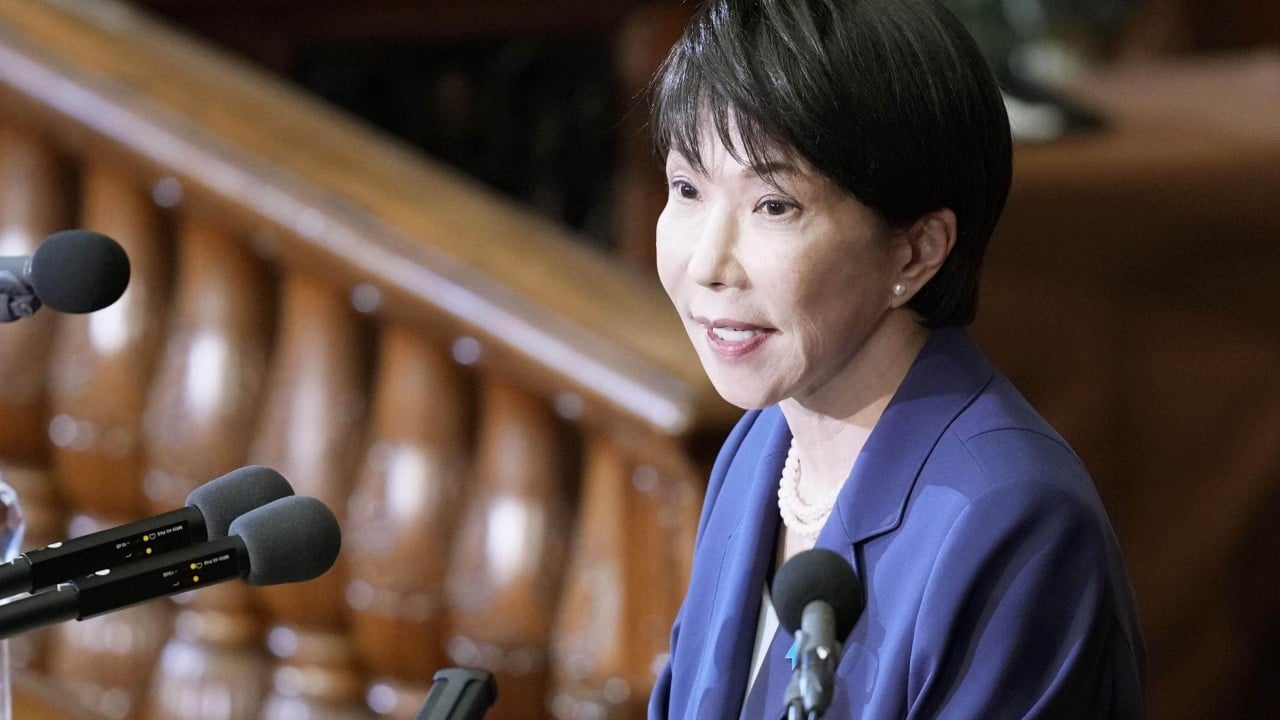
With her government entering its second year on Wednesday, Japanese Prime Minister Sanae Takaichi may face growing questions over whether her leadership style, oft-described as assertive, could fuel discontent within her Liberal Democratic Party (LDP).
Bolstered by high public approval ratings and an overwhelming majority in the House of Representatives, Takaichi has pushed through divisive legislation and made personnel appointments heavily tinged with her will.
Political analysts warn that Takaichi’s confrontational governing approach – driven by popularity among voters, not necessarily by a solid factional power base – could prompt a backlash from within and potentially threaten her administration’s stability should public support weaken further.
“It was a year in which the deliberative process of parliamentary democracy was significantly hollowed out,” said Ikuo Gonoi, a political science professor at Takachiho University.