
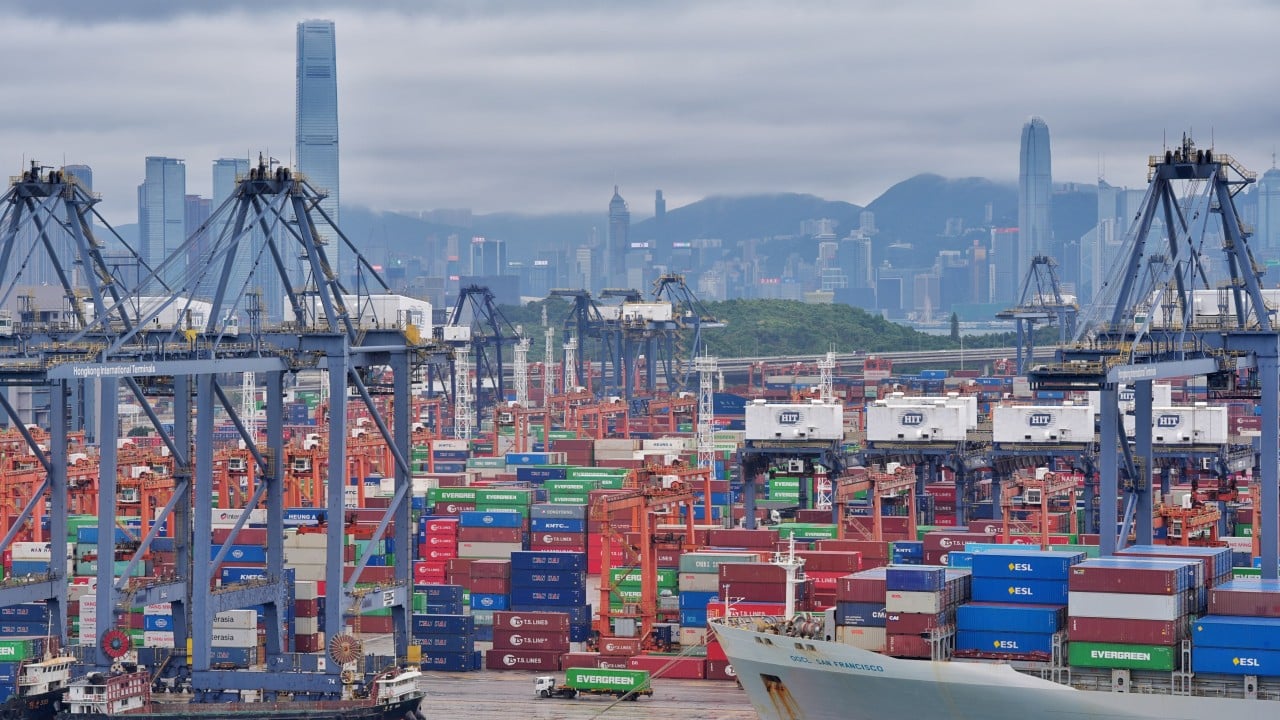
As conflict in the Middle East sends marine insurance costs surging, Hong Kong has an opening to prove that it is more than a port city by becoming a trusted centre for risk pricing, legal certainty and maritime resilience.
When tensions rise in the Middle East, the first signs of trouble in global shipping do not always appear at sea. Often, they appear in the insurance market. Premiums jump. Underwriters retreat. Shipowners rethink routes. Long before a vessel is struck, the cost of moving goods already changes.
That is why Hong Kong’s efforts to build a war-risk insurance mechanism for shipping deserve more attention than they have received. On the surface, this looks like a specialist insurance story. In reality, it points to a larger question: who has the institutional capacity to keep trade moving when private markets turn defensive?
Advertisement
That question matters especially for China, the world’s largest trading nation, and for Hong Kong, which has spent years trying to define what remains distinctive about its role as an international shipping centre.
For a long time, shipping competition was understood mainly in physical terms: bigger ports, larger fleets, faster turnaround, more efficient logistics. Those things still matter, but they are no longer enough. In an age of geopolitical shocks, shipping is also a business of risk pricing, legal certainty, dispute resolution and market trust. The places that matter most are not just those that can move cargo, but those that can keep cargo moving when the political climate worsens.
Advertisement
Marine insurance is easy to ignore in calm periods because it works quietly in the background. In moments of crisis, its importance becomes impossible to miss. If cover becomes unavailable, unaffordable or unreliable, the effects spread quickly. Shipping rarely stops all at once. More often, it begins to seize up.