
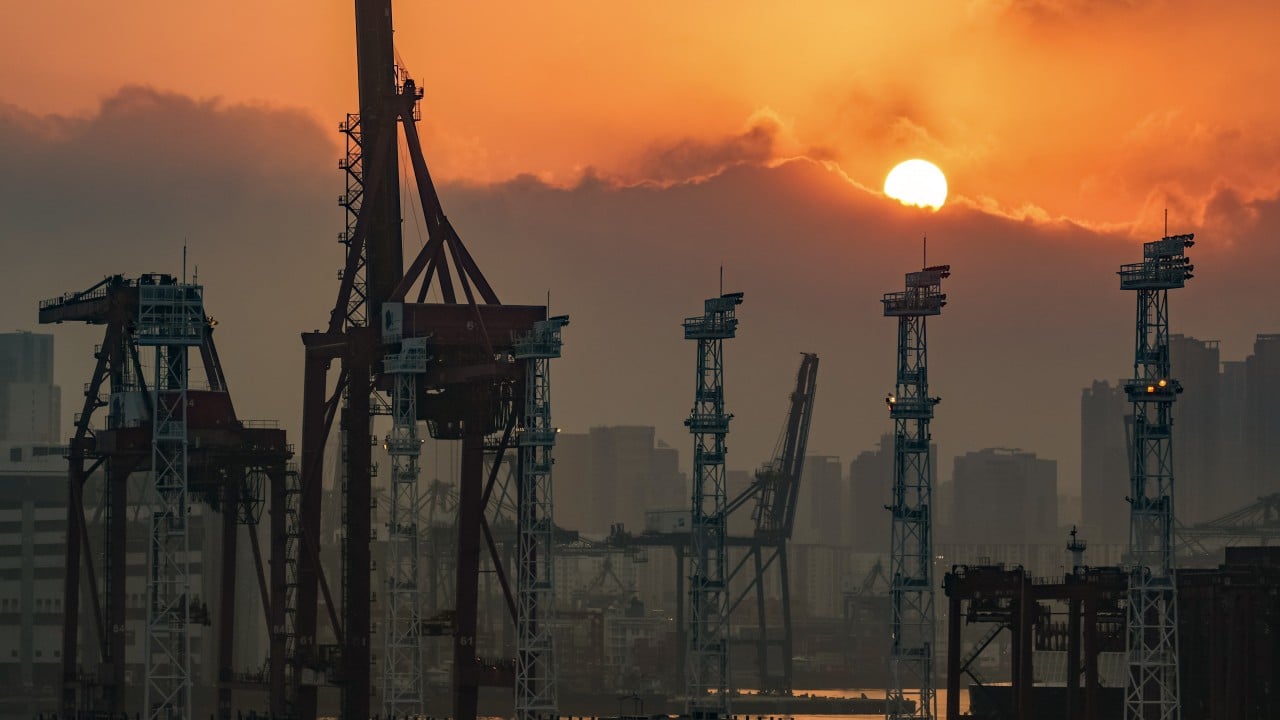
Hong Kong’s surging exports amid recent global trade shifts and tariff measures are reason to celebrate. However, they have not reversed the decline in the city’s port’s container throughput, which hit 12.99 million 20-foot equivalent units in 2025, down 5.1 per cent year on year.
To address public doubts over the city’s standing as an international shipping centre, Hong Kong’s first five-year plan seeks to transform the maritime hub from being throughput-driven to value-driven. The policy emphasis falls on cultivating a commodity trading ecosystem and advancing high-value services, ranging from shipping finance and marine insurance to ship management and maritime dispute resolution.
As Hong Kong pivots towards maritime services, there are fundamental questions about the strategic purpose of the city’s physical port in a value-driven era. How should the port evolve so physical cargo flows power Hong Kong’s high-value service ecosystem instead of lagging behind?