
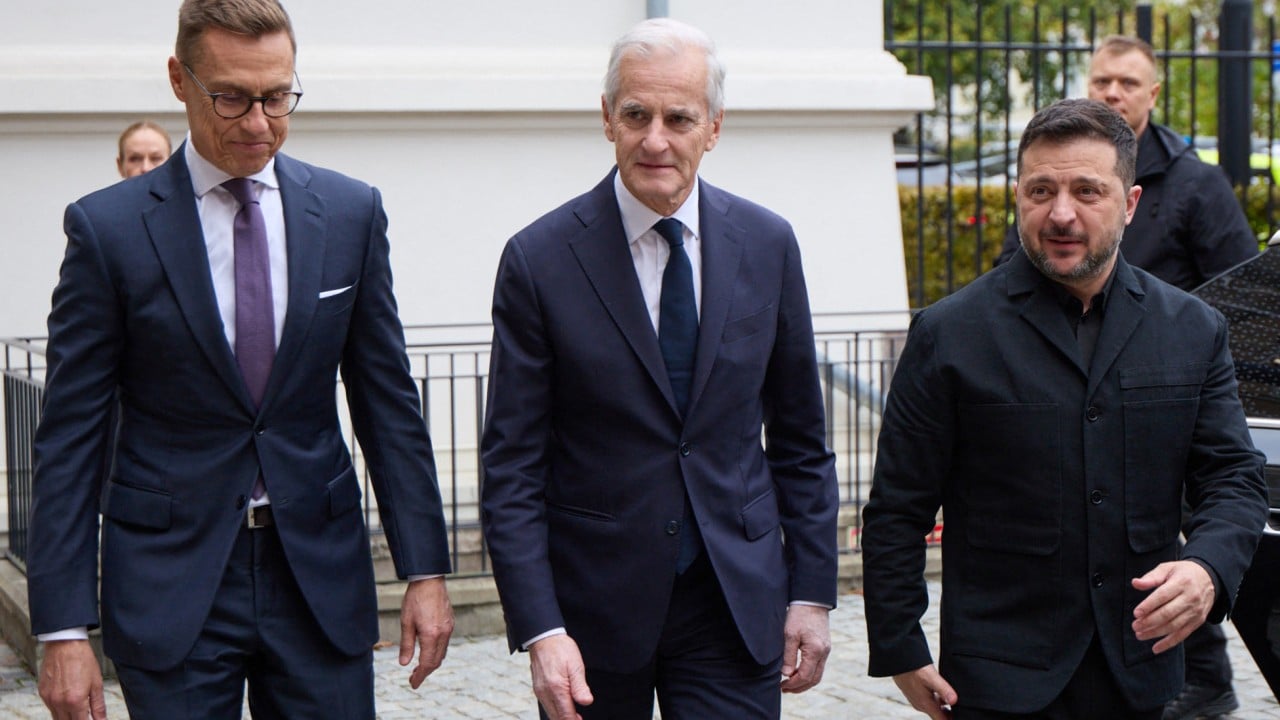
When Finnish President Alexander Stubb and Norwegian Prime Minister Jonas Gahr Store called Russian President Vladimir Putin on October 27, they took an unusual diplomatic step at a time when direct high-level contact between European governments and Moscow has been limited. The call, initiated by the two Nordic leaders ahead of renewed peace negotiations, also drew criticism from Denmark over the lack of broader European coordination.
The call did not signal a change in Finland or Norway’s position towards Russia. Both remain committed to Nato and continue to support Ukraine. Their initiative points instead to a question that will become increasingly important as diplomatic efforts advance: how can European countries pursue their own security interests while maintaining a common approach towards Moscow?
For Finland and Norway, direct contact with Russia is not new, although the two countries have different experiences of managing the relationship. Norway has long combined deterrence with reassurance, keeping channels of communication open even as political relations have deteriorated. Its 2025 National Security Strategy calls for a consistent and predictable approach towards Russia, coordinated closely with allies in the transatlantic alliance.