
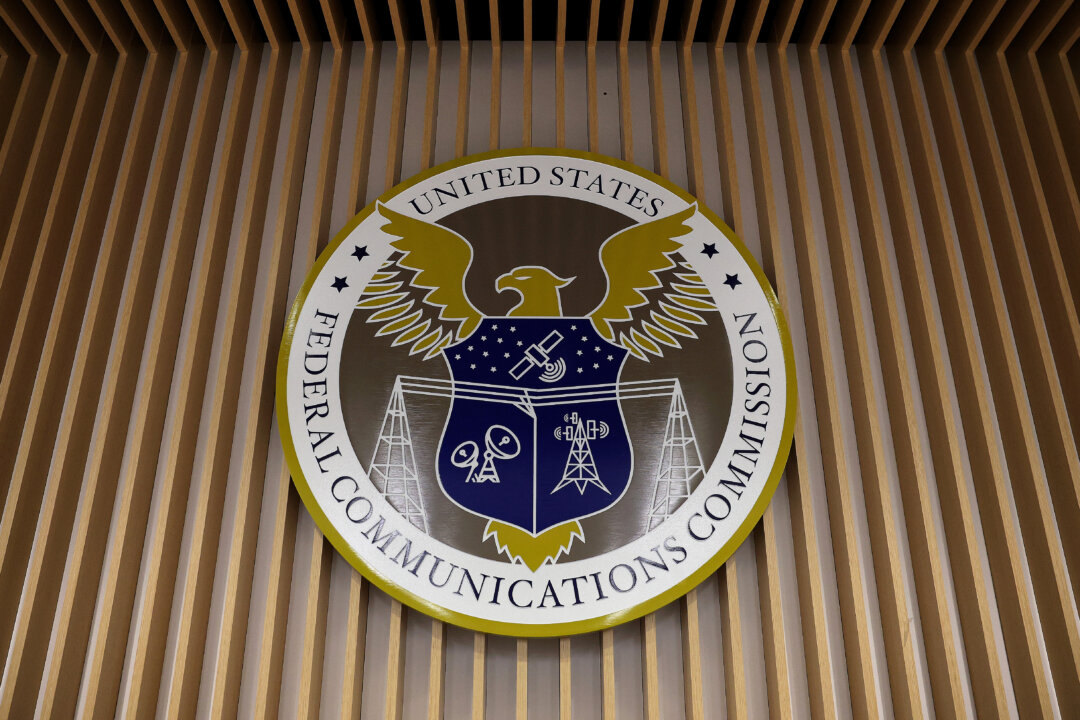
The Federal Communications Commission (FCC) proposed to block Chinese telecom service providers from directly accessing U.S. phone numbers, citing national security concerns.
On Oct. 29, the FCC said the move aims to protect Americans from illegal robocalls and safeguard U.S. national security. Robocalls are automated phone calls made using autodialing systems or prerecorded voice messages, often used by scammers to defraud people, according to the agency’s website.
“With this decision, the FCC will be strengthening our first line of defense against bad actors and illegal robocallers,” FCC Chairman Brendan Carr said in a statement.
The FCC said the proposal would modify its numbering authorization rules for Voice Over Internet Protocol (VoIP)—a technology that enables voice calls using broadband internet connections instead of regular phone lines.
The FCC said it would vote on the proposal next month.
If adopted, the revised rules would require new national security-focused certifications for international telecom services providers on the FCC’s covered list, including China Mobile, China Telecom, and China Unicom.
The revised rules also aim to increase transparency and streamline the FCC Wireline Competition Bureau’s review and authorization process for providers seeking access to U.S. phone numbers, according to the agency.
Carr said the agency would strengthen its vetting process for all providers seeking access to U.S. telephone numbers.
“This will make it substantially more difficult for bad actors to operate in our networks,” he said. “This step is part of our broader effort to look at every portion of the lifecycle of a call and make it more difficult for illegal robocalls to get through.”
The Chinese Foreign Ministry said on Oct. 29 that it opposes the FCC’s move and accused the United States of “overstretching the concept of national security” to target Chinese businesses. The ministry said it would take steps to safeguard its lawful rights and interests.
The FCC has previously barred the three Chinese companies from providing international telecom services to the United States.
In April, the FCC proposed to ban the companies from operating data centers in the United States on national security grounds.
The FCC said at the time that it had tentatively concluded it should prohibit U.S. and other telecom carriers operating in the United States from interconnecting with companies on its covered list, including the three major state-linked Chinese operators.
Meanwhile, the agency voted unanimously on Oct. 29 to bar Chinese laboratories from testing electronics for U.S. regulatory approval, citing security concerns and difficulties overseeing foreign testing facilities.
The decision will end FCC recognition of laboratories and certification bodies in countries that lack reciprocal testing agreements with the United States, including China.
During the transition, laboratories in affected countries may continue to receive FCC recognition, but it will automatically expire on Dec. 1, 2028, regardless of when it was issued.
During a press conference following the vote, Carr said the transition would not prevent the agency from removing additional laboratories sooner if they presented problems similar to those previously identified.
Arthur Zhang, Owen Evans, and Reuters contributed to this report.
We had a problem loading this article. Please enable javascript or use a different browser. If the issue persists, please visit our help center.