
Pacific island nations are facing a security challenge in responding to China’s recent missile launch near Tuvalu and keeping their vision of a region as an “ocean of peace”, as analysts say the diverse nature of their ties with Beijing is complicating efforts towards a united response.
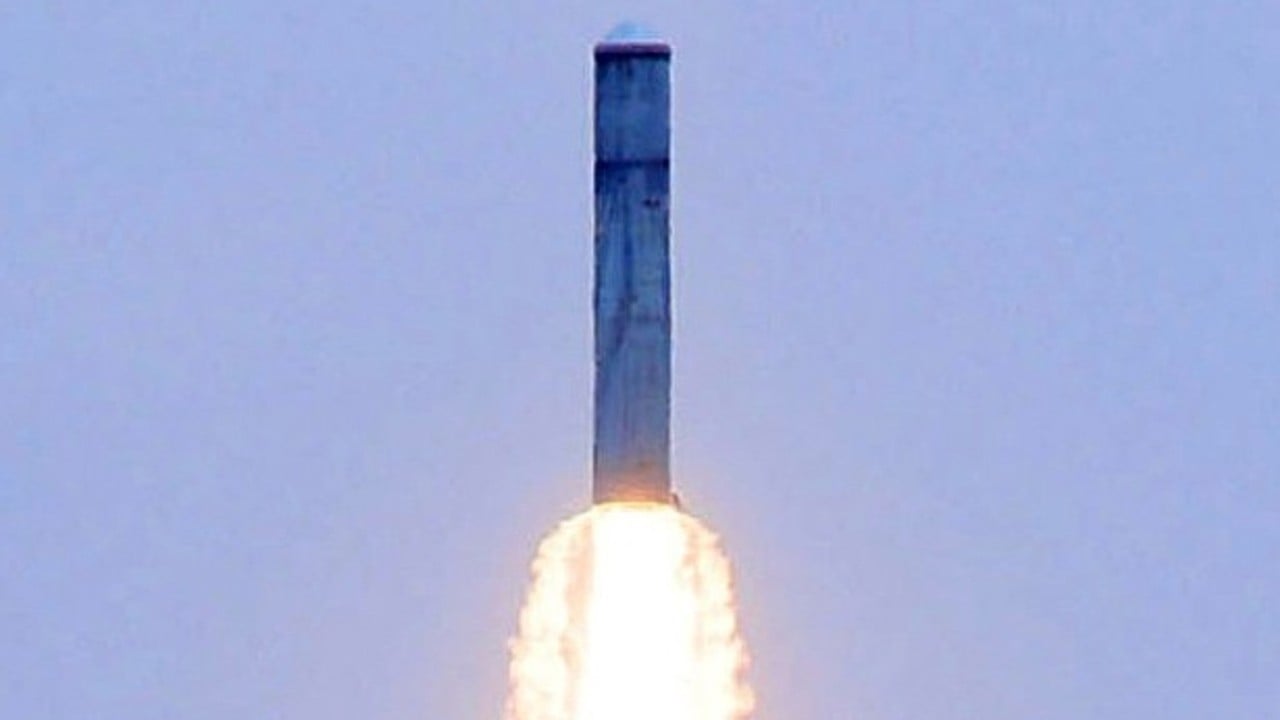
On July 6, China said one of its navy’s nuclear submarines launched a “strategic missile” carrying a dummy warhead towards “relevant high seas of the Pacific Ocean”, describing the test as routine annual military training that complied with international law and was “not directed at any specific country or target”.
Beijing said it had notified relevant countries in advance. Still, the move did little to ease the concerns of Pacific governments and partners, with some criticising the short warning period.
The missile appeared to have landed near the exclusive economic zones of Tuvalu and Kiribati, 1,000km (621 miles) northeast of the Solomon Islands.
The Pacific region has for decades been cautious of missile tests as a result of the hundreds of nuclear tests carried out by the US, UK and France in the second half of the 20th century.
While leaders from Tuvalu, Palau and the Solomon Islands have strongly criticised the Chinese missile test, the 18-member Pacific Islands Forum (PIF) held in Suva, Fiji, on Wednesday failed to draft a united statement against it.