
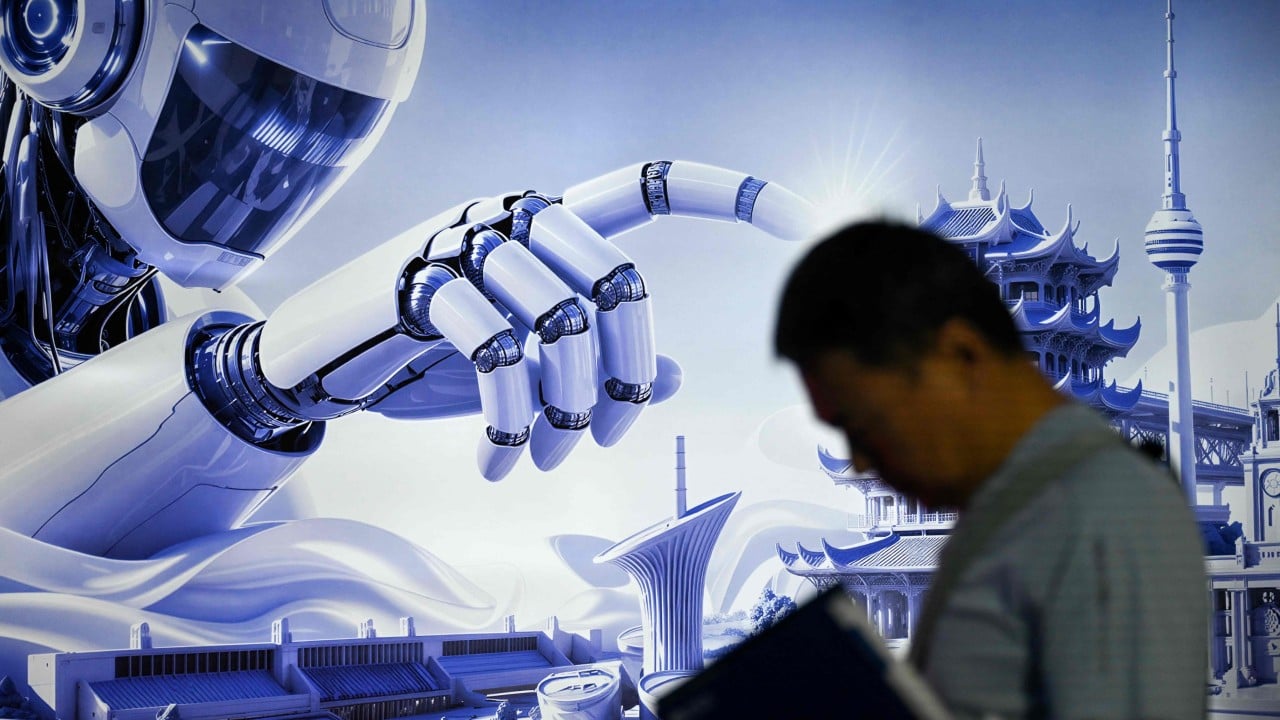
China’s innovation ecosystem has witnessed a resurgence, minting 67 new unicorn start-ups in the first half of 2026 – the biggest increase in almost five years – as AI and robotics kick off a new investment cycle.
The growth translates into an average of one new unicorn – private companies valued at US$1 billion or more – in less than every three days and was the highest since the second half of 2021 when 76 new unicorns were created, according to a Monday report by ITJuzi, a start-up database.
The momentum was tightly clustered around two cutting-edge industries – artificial intelligence and robotics – which together accounted for more than 53 per cent of the cohort. This differed from the previous cycle between 2021 and 2022, when large start-ups spanned multiple sectors including new-energy vehicles, biomedicine and online consumer businesses.
DeepSeek was the biggest star of the past six months. The Hangzhou-based AI firm just closed its first-ever external fundraising at a valuation of about 400 billion yuan (US$59.2 billion), the highest in the past six months and the fourth largest among all unicorns in China, following ByteDance, Ant Group and Shein.
But most of the new unicorns – about 78 per cent – were valued between US$1 billion and US$2 billion, suggesting they were still “in the early stages of growth”, according to the report. No companies fell into the US$5 billion to US$10 billion bracket, which marked a valuation jump between “unicorns” and “super unicorns”.
Almost half of the newcomers, or 32, were founded within the past three years, mostly in 2023 when 14 such start-ups were established. The timing closely aligned with the surge in large AI models following OpenAI’s release of ChatGPT in late 2022, which sparked entrepreneurs’ passion for generative AI worldwide.