
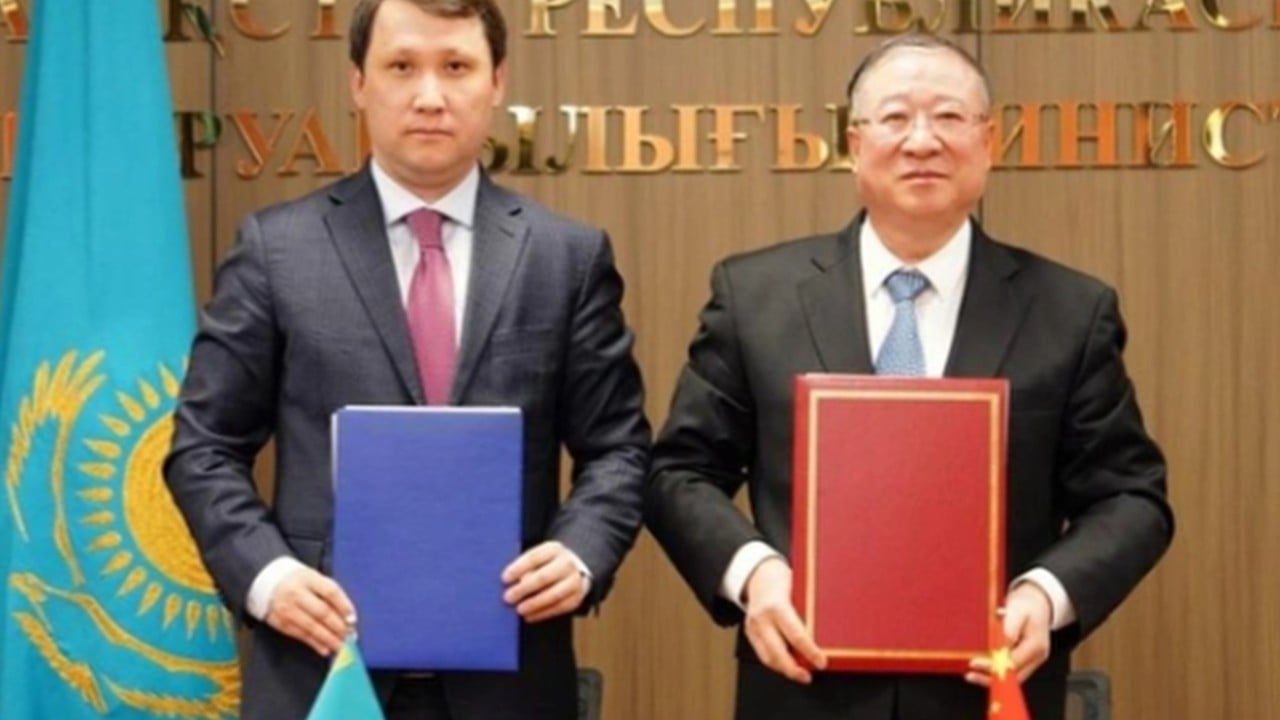
In a move that could rattle global grain markets, China and neighbouring Kazakhstan – Central Asia’s largest grain producer and a key Belt and Road Initiative partner – agreed last week to establish a joint grain-trading platform during talks in Astana. The two sides also discussed long-term supply contracts, logistics hubs, dry ports and technology cooperation in storage and processing.
Although full details remain limited, reports indicate the platform will be modelled on China’s state-managed national grain-trading platform. This will enable firms to trade through competitive bidding and direct negotiation with online settlement and accredited dispute resolution. Its key focus is soybeans and other oilseed crops, critical Chinese imports that Kazakhstan’s oilseed sector is increasingly positioned to supply.
The timing is notable. Amid a looming global food crisis triggered by the uncertainty over the Strait of Hormuz, and just days after US President Donald Trump and Russian President Vladimir Putin visited Beijing, the agreement signals an accelerating shift towards regionalised supply chains to reduce exposure to external disruption.
Advertisement
Two-way agricultural trade is booming, jumping 36.8 per cent to nearly US$2 billion last year. Kazakhstan’s agricultural exports to China rose 35.3 per cent in 2025 to more than US$1.4 billion. In the first few months of 2026, bilateral agricultural trade soared 61.7 per cent to US$697 million. Kazakhstan exports oilseed, vegetable oils and grains to China while importing manufactured goods and industrial equipment.
For Beijing, the benefits are clear. Food security and self-sufficiency remain core strategic priorities, but it is an uphill battle. China must feed a vast population with limited arable land and freshwater resources while contending with concerns such as climate shocks and declining fertility rates.
Advertisement
Beijing has pursued a dual-track strategy of maintaining self-sufficiency in staples such as rice while relying on global markets for non-staples, particularly soybeans. Despite President Xi Jinping’s push to strengthen domestic production, structural constraints continue to necessitate diversified food imports.