
Can Europe stay united in China trade battle? Ceuta migrant crisis offers a warning
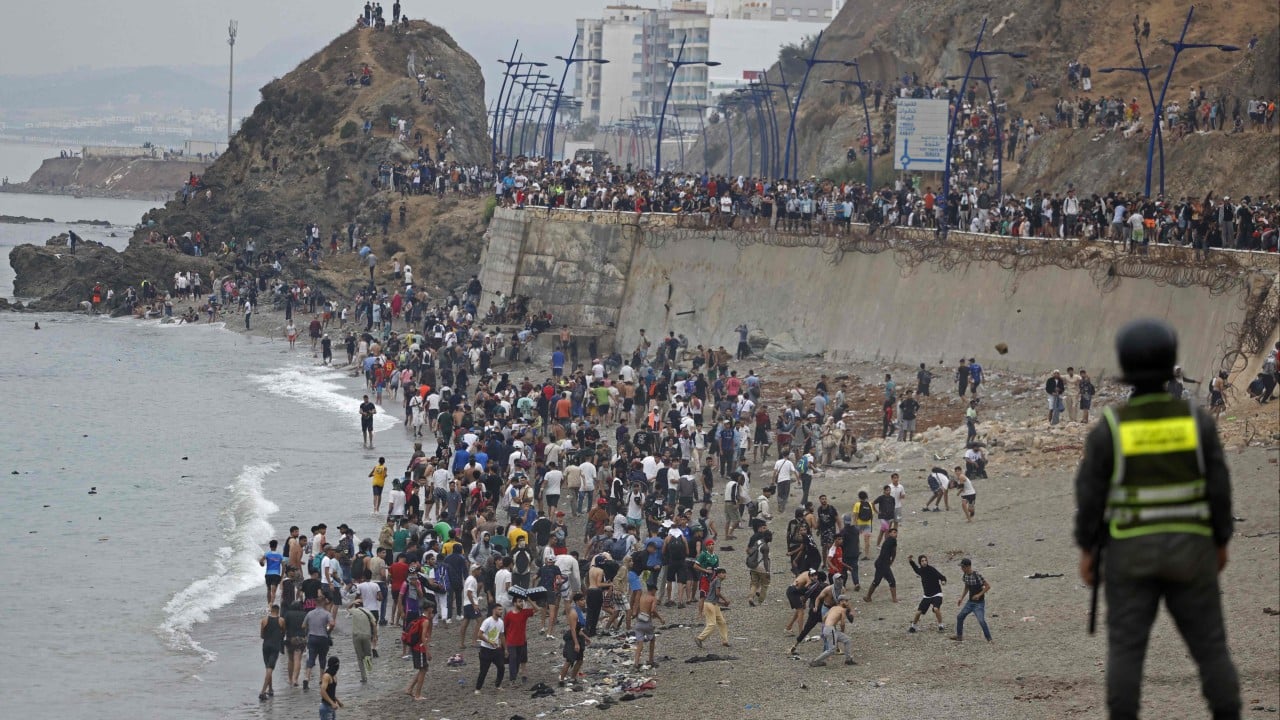
The European Union’s traditional August break was supposed to provide officials with some respite ahead of a potentially bruising autumn when it will try to set its fiery trade relationship with China on a new course.

Instead, a border crisis on its southern flank has created turmoil and division among its 27 members, raising questions over how prepared the bloc is for a dust-up with one of the world’s economic superpowers.

“We had a real-time test of what happens when one member state was under coercion,” said Alberto Rizzi, a Rome-based policy fellow at the European Council on Foreign Relations, specialising in geoeconomics. “Everybody was very quick to jump on that.”

The crisis was sparked on July 30, when an estimated 72,000 mainly Moroccan migrants surged into Ceuta, a Spanish enclave in North Africa, after Moroccan border controls appeared to collapse. At least 75 people died, mostly at sea, with the Spanish authorities estimating more than 100 died.

The surge raised suspicions that the Moroccan authorities had weaponised migrant flows in response to Spanish efforts to improve ties with its neighbour and rival Algeria.

In the immediate aftermath, however, many EU members placed the blame squarely on Madrid, whose openness to welcoming migrants is an outlier in a Europe that is becoming increasingly hawkish on the issue.

Italian Prime Minister Giorgia Meloni said Spain’s “uncontrolled immigration” policy was a security threat and suspended the Schengen freedom of movement agreement with Madrid, even though Ceuta is not part of the Schengen area.


Read More

Leave a Reply