
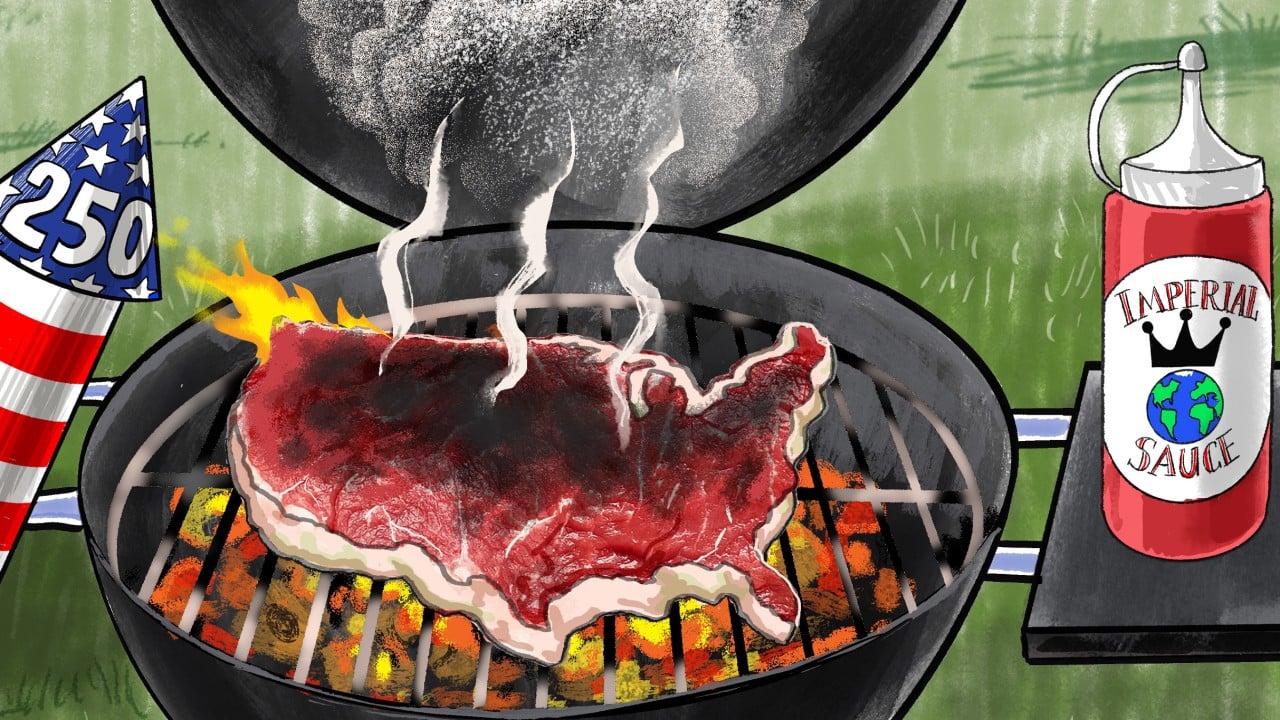
There will be parades and speeches, fireworks and barbecues, and a healthy dose of patriotism. This Fourth of July, Americans celebrate the 250th anniversary of their country’s independence from the British empire. Many remain unaware of when their continental republic became an empire of its own. Neither will many of them know that at the turn of the 20th century, the founding principle of the Declaration of Independence was betrayed, despite impassioned opposition from some of the most prominent intellectuals of the day.
The American Anti-Imperialist League counted among its members philosopher William James, industrialist-philanthropist Andrew Carnegie and Mark Twain, perhaps the most popular writer of the age. For years they lobbied to preserve America’s founding values and resist the path of European colonialism. They failed in their short-term objective against empire. The Philippines became an American colony in 1898 and remained so until its own independence in 1946.
Even so, they argued against government transgression more powerfully than anything heard at conferences today. The league’s official platform said that “subjugation of any people is ‘criminal aggression’ and open disloyalty to the distinctive principles of our government”, warning that an administration free to “organise a truth-suppressing censorship and demand of all citizens a suspension of judgment” would imperil representative government itself. If more Americans read this work, they might recall that patriotic dissent is the highest form of loyalty.
An American empire was never inevitable. It was hotly debated after the Spanish-American War, fought to liberate Cuba from Spanish colonial rule and settled when the United States bought the Philippines for US$20 million. Hong Kong was the staging ground from which America’s Asiatic Fleet sailed to its swift and decisive victory at Manila.
Then US president William McKinley, who annexed Hawaii and took the former Spanish territories, has become an object of current US President Donald Trump’s admiration. The same nostalgia for imperial greatness appears to motivate Trump’s designs on Greenland and the Panama Canal as well as his suggestions of absorbing Canada into the union.
Executive overreach is the graver constitutional violation, and the one that would have most infuriated the anti-imperialists. The decision to attack Iran without congressional approval could only be managed through secrecy. That there have been accusations of the personal enrichment of those close to the administration from wartime oil price swings only highlights the drift from the nation’s founding values.