
During a crackdown on organised crime, Zeng Jianbin, a real estate developer in Mianyang, southwestern China’s Sichuan province, was sentenced to 20 years in prison for being a “gang leader”.
In 2023, the Mianyang Intermediate People’s Court convicted Zeng of nine offences, including provoking trouble, illegal lending at high interest and intentional destruction of property. His sentence was particularly harsh because of the organised nature of the crimes.
But two years later, during his appeal trial at the provincial higher court, prosecutors admitted that Zeng’s case did not involve organised crime and suggested that his sentence be modified, according to a report by Chinese media outlet Caixin. Zeng’s company, the Sanhui Group, grew out of legitimate business and was not established for criminal purposes as previously alleged, the prosecutors said.
This May, the higher court sent the case back to Mianyang for a retrial, concluding that there was not enough evidence to justify treating the case as gang-related.
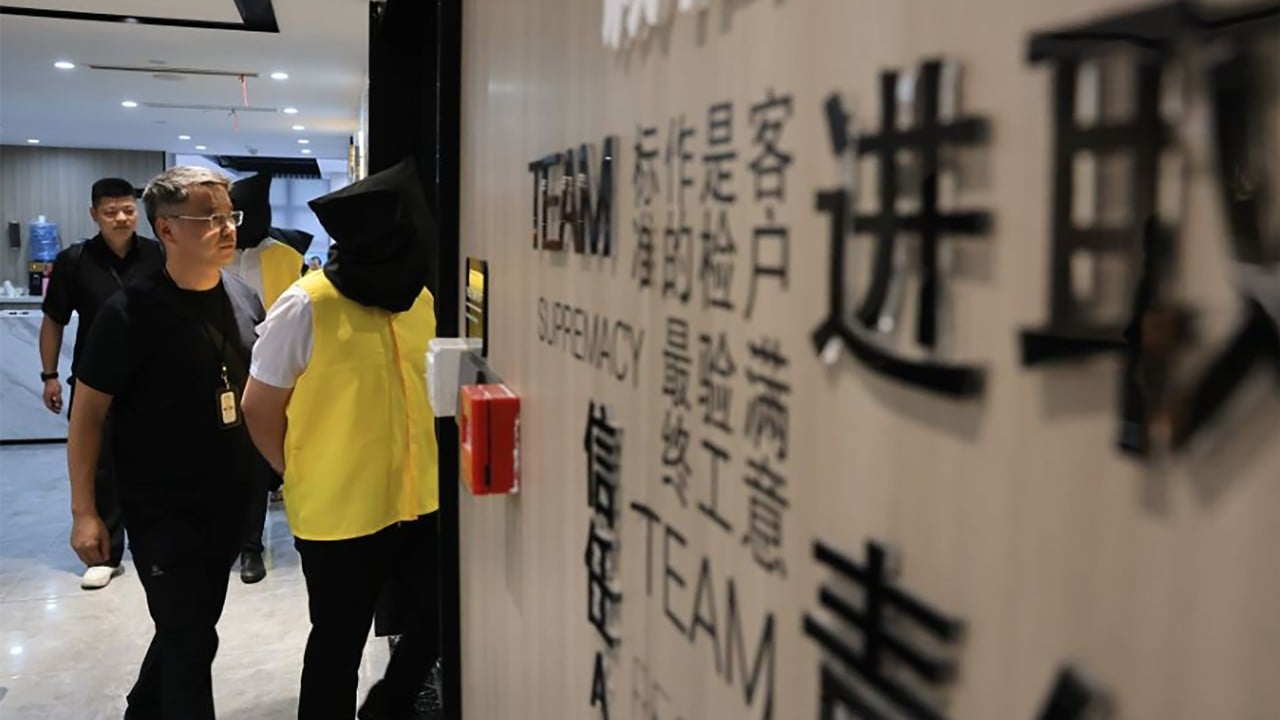
This is the type of case that legal experts are worried could recur, as authorities launched a fresh year-long crackdown on “gang-related crimes” last month.
Only 10 days after the announcement of the latest crackdown, Chinese police said they had already rounded up more than 8,000 suspects, among them people accused of using malicious complaints against online shops to extort money or of staging fake traffic accidents.