
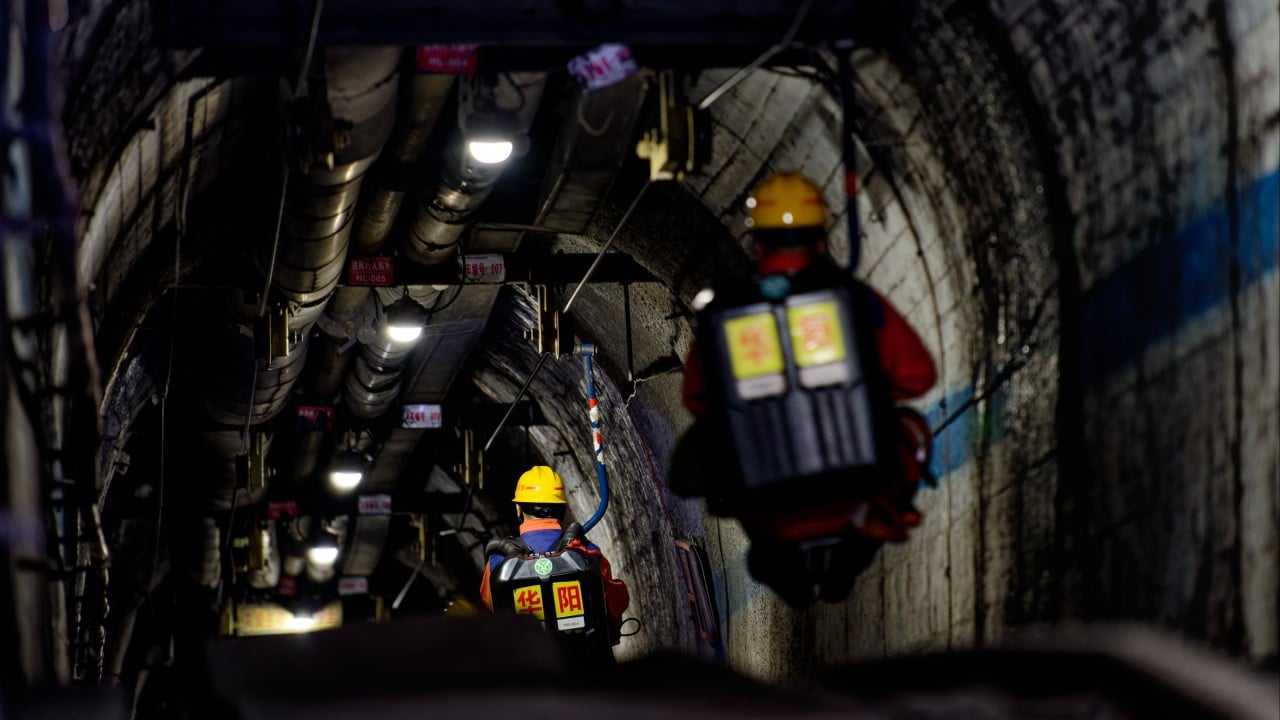
A gas explosion that killed at least 82 people in central China – the country’s worst mining disaster in more than a decade – was the result of systemic safety failures across multiple parts of the production chain, according to miners and industry insiders.
The Friday blast at the Liushenyu Coal Mine in Shanxi province also left two people missing and 128 survivors in hospital, including two in critical condition.
Miners interviewed by the South China Morning Post said several workers had not been properly equipped with location trackers or respirators at the time of the accident.
Advertisement
A 51-year-old miner, surnamed Wang, whose job was to install fuel pipes underground, said he had been 700 metres (less than half a mile) from the shaft’s opening when the blast happened.
Wang was not a contracted worker and did not have a tracker, but he escaped safely after running for half an hour. Like many interviewed, he gave only his surname to protect his identity.
Advertisement
The wife of a miner from a different company told the SCMP that several of her friends had died in the blast. The woman, surnamed Liu, confirmed that many had worked in “hidden” coal pits – those that are not marked on mining maps or registered with authorities.
According to a Monday report from state broadcaster CCTV, an initial official investigation revealed that the Liushenyu mine had committed “serious illegal acts”. One issue was the unlawful overstaffing of underground operations.