
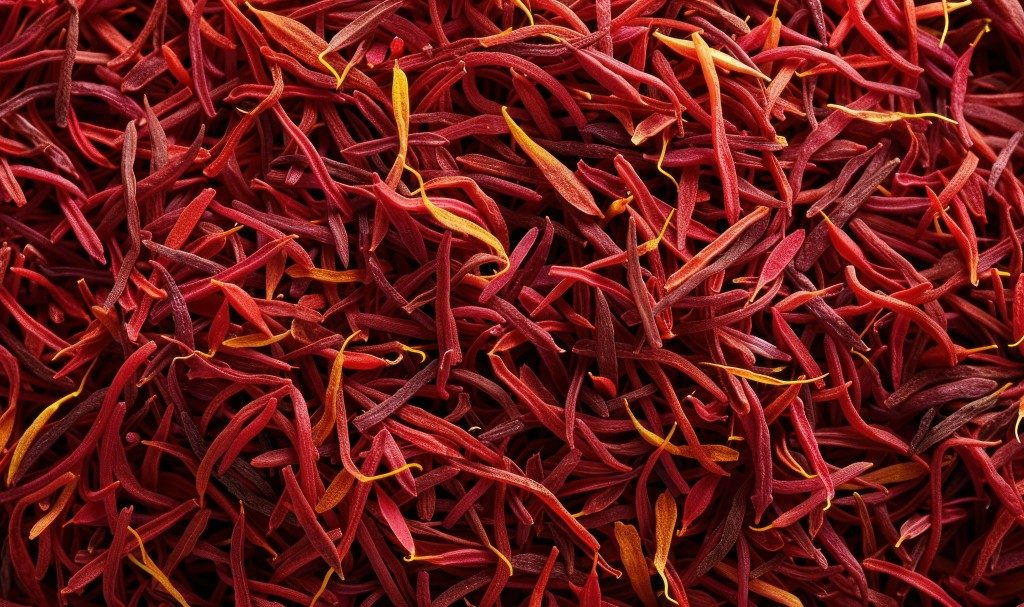
AsianScientist (Nov. 29, 2026) – Nori is a popular ingredient in sushi, rice wraps, and ramen. Known as nori in Japan and gim in Korea, it is an edible seaweed belonging to the red algae group. It grows on rocks in shallow seawater and naturally has folded blades that range in colour from red and pink to brown and dark green. Despite its widespread consumption, many of its nutritional benefits remain poorly understood.
Now, Japanese researchers have found that digesting a specific red seaweed releases a small protein fragment, or peptide, that may help regulate blood glucose levels and support diabetes prevention. The results were published in Food Bioscience.
The global prevalence of type 2 diabetes is rising rapidly. Approximately 529 million people were living with diabetes in 2021, and this number is projected to reach 1.3 billion by 2050.
Maintaining healthy blood glucose levels, particularly after meals, is important for managing the condition.
Two hormones, glucagon-like peptide-1 (GLP-1) and glucose-dependent insulinotropic polypeptide (GIP), stimulate insulin release. However, an enzyme called dipeptidyl peptidase-IV (DPP-IV) found in several parts of the body, including the gastrointestinal tract, kidneys, prostate, blood vessels, and immune cells, quickly breaks down these hormones, limiting their activity. Inhibiting this enzyme can help the hormones remain active for longer, supporting blood glucose control.
Although medicines such as sitagliptin inhibit DPP-IV, they may cause side effects and are generally prescribed after diabetes develops. Researchers are therefore exploring food-derived peptides with similar inhibitory effects. Such peptides have been identified in milk, soy, and fish proteins, but seaweed remains a less explored source.
Japan’s northernmost prefecture, Hokkaido, has cold coastal waters where an edible red seaweed called dulse (Devaleraea inkyuleei) grows abundantly and has soft, frilly fronds and a distinctive taste.
For the study, the researchers subjected dulse to an artificial digestion process in the laboratory to mimic digestion in the human body. They discovered that this process releases a previously unidentified peptide called EVYR, which consists of just four amino acids that may help regulate blood glucose levels.
After a meal, blood glucose levels rise, prompting the pancreas to release insulin. This hormone helps cells absorb glucose from the bloodstream and use it for energy. EVYR may support this process by inhibiting DPP-IV, thereby slowing the breakdown of GLP-1 and GIP and helping them stimulate insulin release for longer.
The researchers employed liquid chromatography–tandem mass spectrometry to quantify the amount of EVYR released during the digestion of dulse, finding that dulse released a measurable quantity of EVYR during this process.
They also found that other red algae could potentially release EVYR during digestion. This conclusion was based on comparisons of protein sequences across different species and computer simulations.
“Seaweed has long been part of our diets, and the new research tells us a little bit more about its potential effect on our body,” said Yuya Kumagai, Associate Professor at the Department of Fisheries Resource Development Engineering, Hokkaido University.
“The discovery of EVYR opens up new possibilities for using red algae to develop functional foods that support blood glucose control,” he added.
The results add to an expanding list of food options, such as fish, milk, and soybeans, that have peptides with possible properties for regulating blood glucose. However, further research is required to assess whether the quantity of EVYR released during digestion is adequate to impact blood glucose levels in humans.
—
Source: Hokkaido University; Image; artranq/Magnific
This article can be found at: Identification of dipeptidyl peptidase-IV inhibitory peptides from red alga dulse (Devaleraea inkyuleei) and quantification of the target peptide from in vitro digested dulse powder
Disclaimer: This article does not necessarily reflect the views of AsianScientist or its staff.
Puja Bhattacharjee
Puja is a multimedia journalist based in Kolkata, India. She writes about social justice, health, policy, LGBTQIA+ issues and culture.
Puja is a multimedia journalist based in Kolkata, India. She writes about social justice, health, policy, LGBTQIA+ issues and culture.