
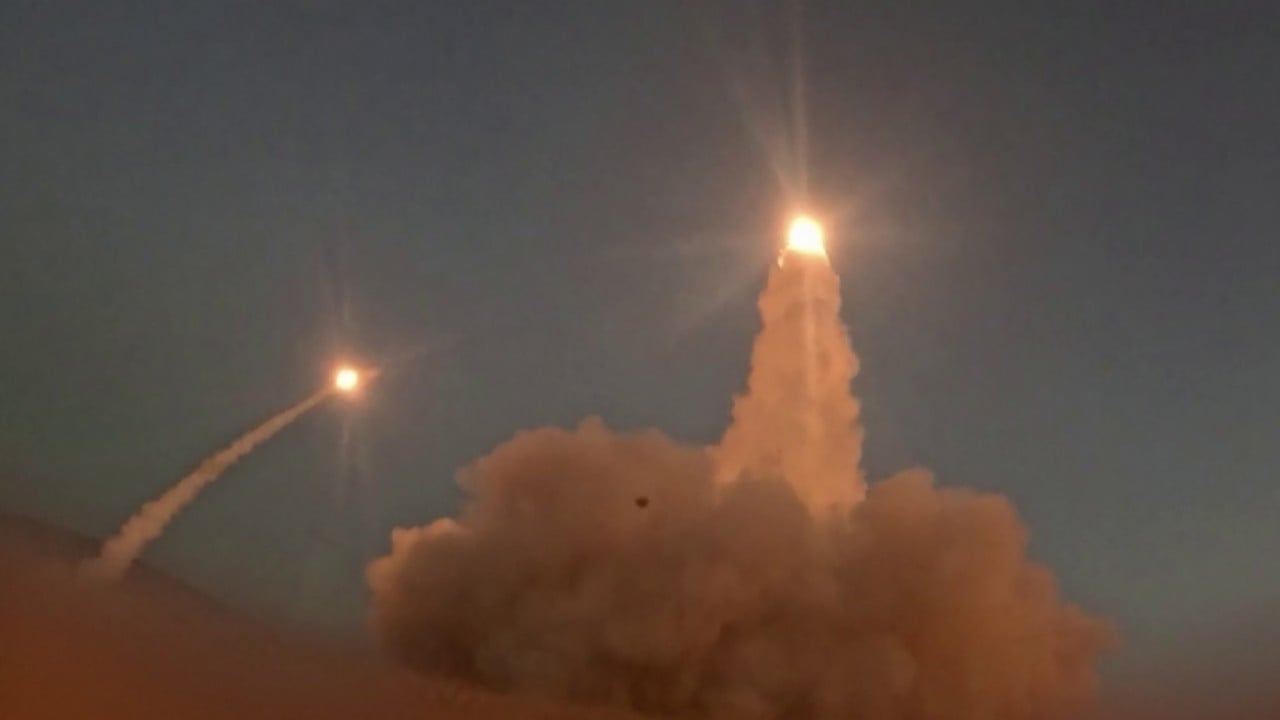
Five months and at least two ceasefires into the US-Israeli war on Iran, hostilities have intensified again, with US President Donald Trump reimposing a naval blockade on Iranian ports and American forces trading fresh strikes with Tehran.
The renewed cycle is testing both Tehran’s resilience and Washington’s appetite for a prolonged conflict, prompting some analysts to draw uncomfortable parallels with the political tolls that past US presidents faced in drawn-out wars such as in Vietnam and Afghanistan.
Oil prices climbed on Wednesday as the renewed escalation disrupted shipping in the Strait of Hormuz, a strategic chokepoint that handled roughly a fifth of global oil and gas flows before the conflict began in late February.
The US military on Wednesday said it had launched a “90-minute wave” of precision strikes that had “further degraded Iran’s ability to attack commercial shipping in the Strait of Hormuz”.
Iranian officials reported more than 260 people wounded in the latest overnight US strikes, undermining an agreement reached last month.
Tehran, which insists it controls the strait, has launched retaliatory drone and missile attacks on US-linked targets in Jordan, Bahrain and Kuwait, vowing the waterway would stay closed “until the US ends its aggression”.