
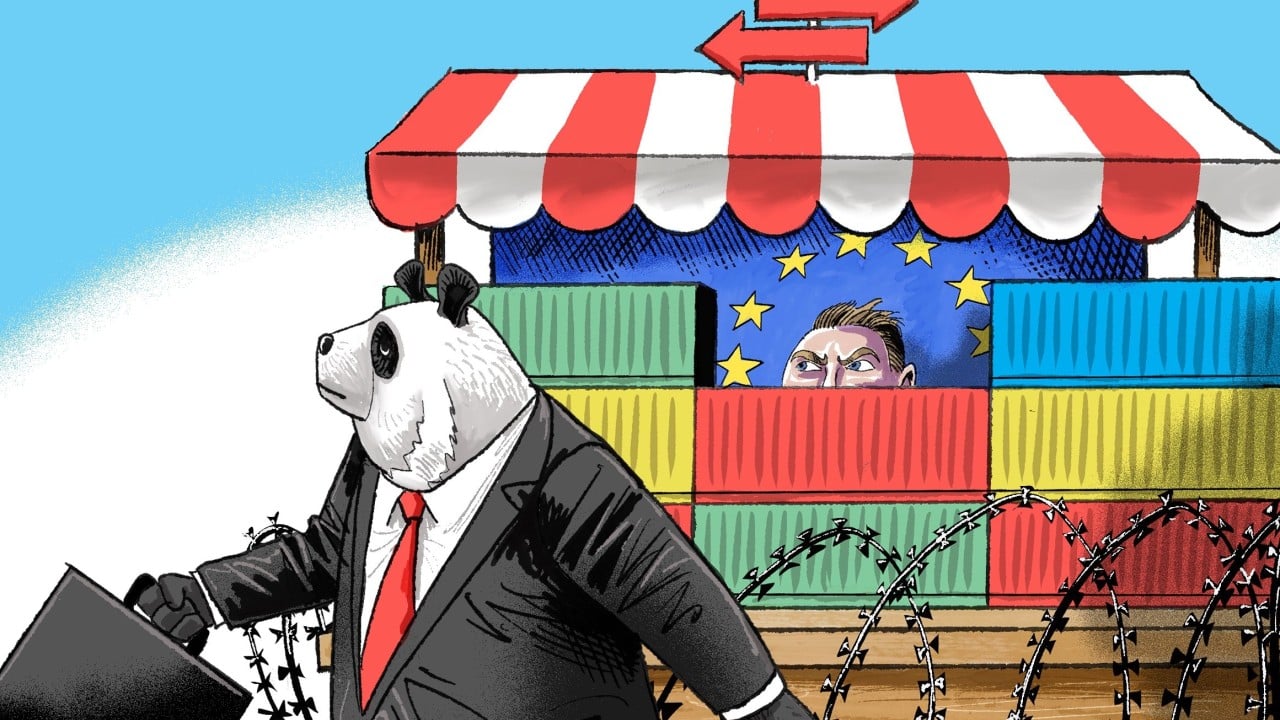
For much of the post-Cold-War era, the European Union understood economic interdependence as a source of mutual prosperity. Open markets, free trade and multilateral rules were regarded not merely as economic principles but as the foundations of European normative influence. That assumption is rapidly giving way to a different logic.
In an era of intensifying geopolitical rivalry, Brussels increasingly views trade, investment and technology as the power instruments of strategic competition.
The shift is unmistakable. Export controls, foreign investment screening, the Anti-Coercion Instrument and growing discussions of an economic deterrence doctrine all reflect an ambition to transform Europe’s vast single market into a geopolitical asset.
Some European analysts have gone further, arguing that access to the EU market should become a strategic weapon against economic coercion, particularly from China. With a population of 450 million and the world’s second-largest economy, the EU appears to possess formidable leverage.
Yet this calculation rests on a questionable assumption: that market size automatically translates into geopolitical power.
Market size and coercive leverage are not the same thing. Large markets undoubtedly attract investment, shape global standards and generate trade influence. But coercive power also depends on whether one can impose costs that the counterpart cannot easily avoid while remaining resilient to countermeasures. Market size alone does not guarantee that leverage.