
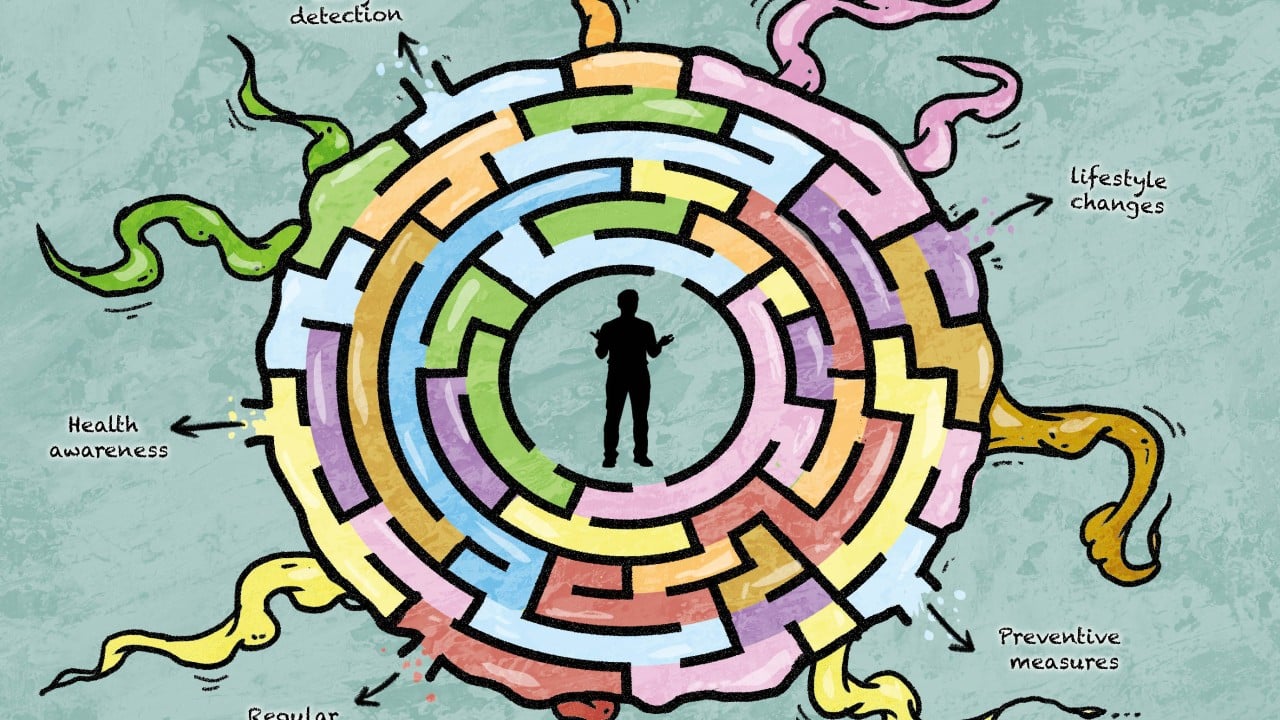
In the final instalment of a six-part Health Matters wellness series on cancer in Hong Kong, Anthea Rowan explores how genetics, lifestyle and chance intersect in cancer risk and why early detection matters.
Tom Hutchins did not find a lump. What he noticed instead – a tiny, almost imperceptible dot – was enough to change his life.
The Hong Kong-based business director, who has lived in the city for a decade, was just 30 when he was diagnosed with testicular cancer. He first spotted something unusual during a routine check in the shower.
“Not even a lump, really. More like a dot,” Hutchins recalled, saying it was his girlfriend who urged him to see a doctor immediately.
At his first appointment, the doctor outlined the possible next steps if the speck proved to be malignant. That early clarity helped later: when the diagnosis came, Hutchins already knew what to expect, softening the shock.

While testicular cancer is relatively rare overall, it is the most common cancer affecting men aged 15 to 35. Early warning signs often include a painless lump, swelling, or a feeling of heaviness in one testicle. Some men experience a dull ache in the lower abdomen, groin or scrotum.