
Andrew Sheng is a former central banker and financial regulator, currently distinguished fellow at the Asia Global Institute, University of Hong Kong.
Given that control over energy reinforces superpower status, the contest of the century has morphed into an intense rivalry between China, a rising “electrostate”, and the United States, the world’s hydrocarbon hegemon safeguarding its position.
China recognises that electricity drives its economy. Despite being a major producer of coal, crude oil and natural gas, China remains an importer of these hydrocarbons. However, with strategic patience, through its five-year plans, the country has been diversifying into alternative energies, including solar, wind, hydro and nuclear energy.
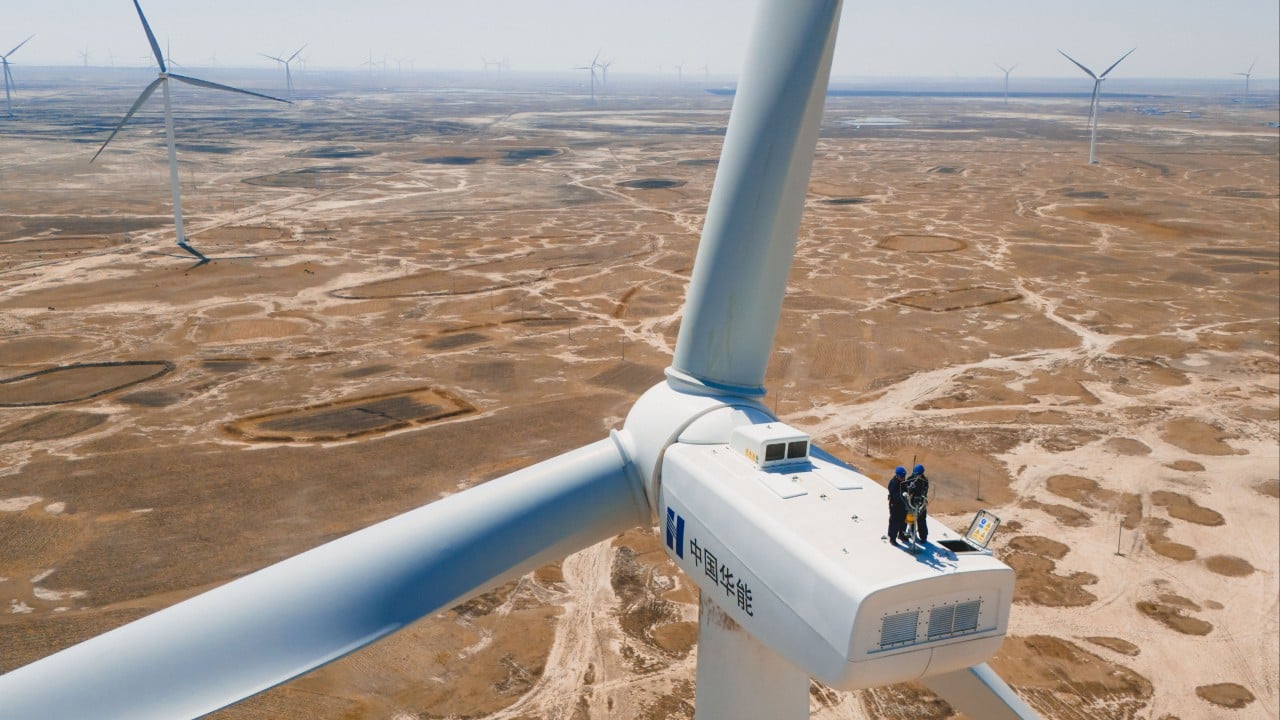
Last year, China’s non-fossil-fuel power capacity surpassed that of fossil fuels for the first time – grid-connected wind and solar capacity alone now exceeds its coal capacity. Moreover, electricity generation using renewable sources has become cheaper than power generated by burning fossil fuels.
Advertisement
By making energy security a priority, rapidly decarbonising and cutting pollution through the transition to renewable energy, China has become the global leader in solar panel, wind turbine, battery, electric vehicle and grid technology.
The US, on the other hand, became the world’s top oil producer in the 19th century after the first oil wells were drilled in Pennsylvania. Today, it can produce 13.6 million barrels of oil daily and over 30 trillion cubic feet of natural gas per year. It is not only energy secure but also a net exporter, especially after shale oil production came on stream in the 21st century. As a result, the American system relies on fossil fuels to generate nearly 80 per cent of its energy.
Advertisement
The US’ status as hydrocarbon hegemon is thus secured by its strong position in the global hydrocarbon trade and provision of the required maritime security.