
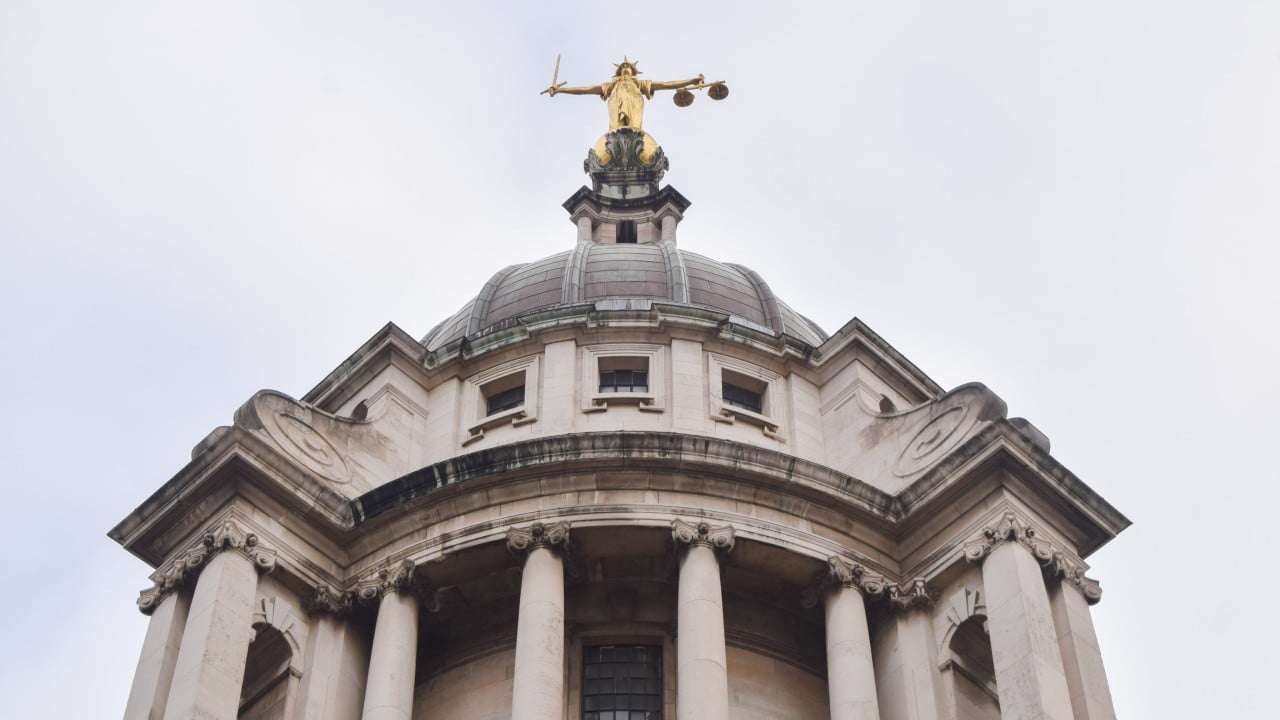
In the Grand Hall of London’s Central Criminal Court, ubiquitously known as the Old Bailey, lies a plaque commemorating the courage of the jury in the 1670 trial of William Penn.
Penn – who would later found the US state of Pennsylvania – and his co-accused were Quakers, charged with contravening the Conventicle Act 1664, which banned religious gatherings other than those of the Church of England.
The Recorder of London, presiding at Penn’s trial, directed the jury to convict. The jury refused. The judge, apparently furious, ordered the jury to be “locked up without meat, drink, fire and tobacco”.
Advertisement
One hastens to add that in Hong Kong, prospective jurors need not fear starvation or thirst. Subsidiary legislation prescribes a juror’s daily allowance of HK$995 (US$127) and the soon-to-be-renovated High Court canteen offers some particularly tasty bites.
The forlorn jury in Penn’s case petitioned a different court for habeas corpus, invoking the ancient power to order the release of any person unlawfully detained. That court ordered that the jurors be freed: Bushel’s Case (1670) 124 ER 1006.
Advertisement
That decision – as well as inspiring the title of this article – established the right of juries to acquit a defendant accused of a crime if their conscience tells them it is the right thing to do. This has become known as the principle of “jury equity”.