
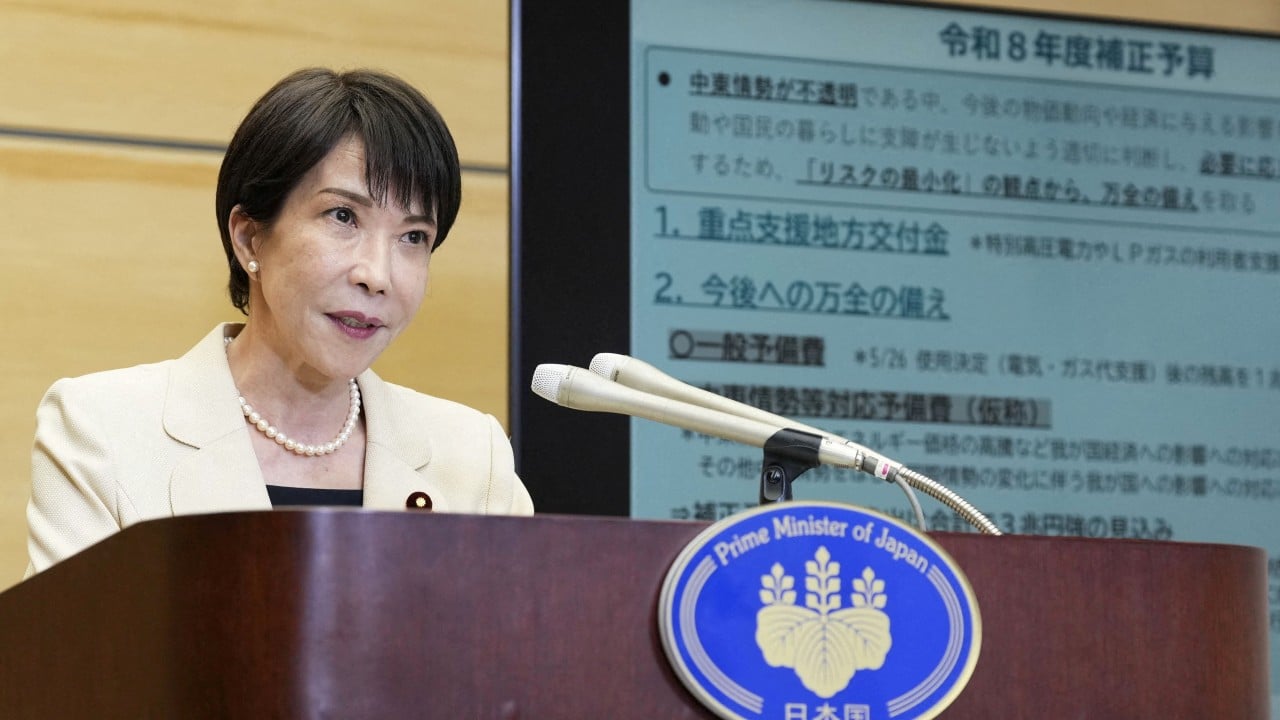
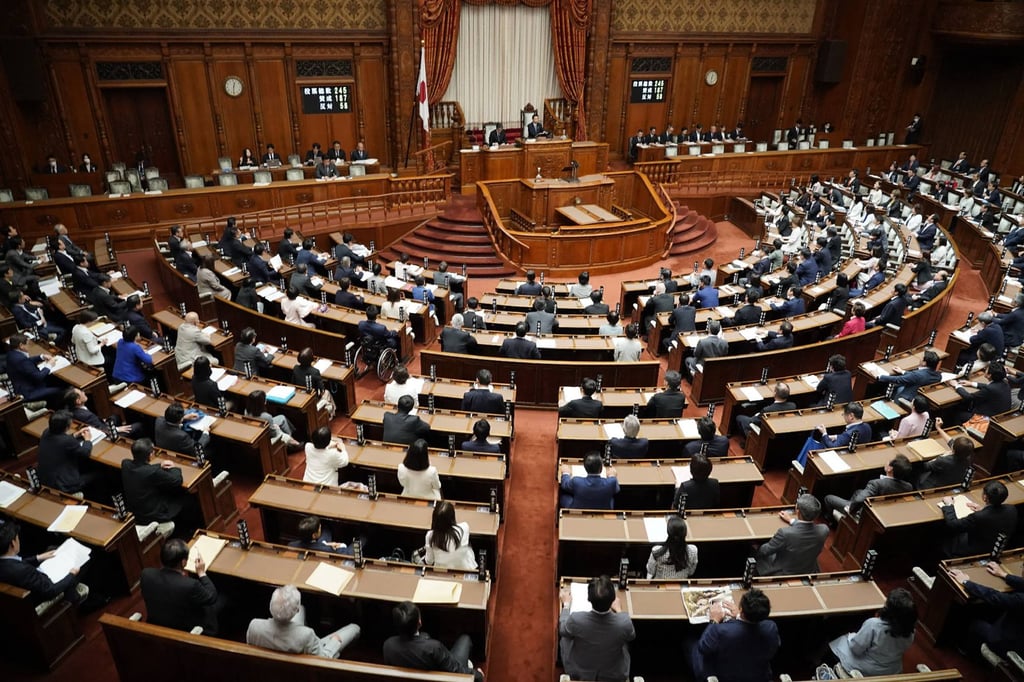
Japan’s parliament enacted a law on Wednesday to establish a new National Intelligence Council to centralise information gathering in response to overseas threats, marking a first step in plans to boost capabilities that have raised concerns over civil liberties.
Establishing the council is a key aim in the governing agenda of Prime Minister Sanae Takaichi, a security hawk who has pledged to strengthen intelligence and counter-espionage capabilities in response to what her government calls the most complex security environment since the end of World War II.
The move, made possible by support from some opposition parties in the House of Councillors where the governing coalition lacks a majority, marks a significant first step in the government’s plans to expand Japan’s counter-espionage architecture through further legislation.
Advertisement
Takaichi has said a system for registering agents of foreign governments engaged in lobbying activities should be considered, and that Japan needs to establish its own foreign intelligence agency.
The new law lacks provisions for parliament to monitor intelligence activities, leaving questions regarding democratic oversight unresolved.
Speaking to reporters at her office, Takaichi maintained the new law will not raise risks to privacy, saying it will “establish the foundations of Japan’s intelligence capabilities” and strengthen the country’s ability to “protect public safety and the national interest”.
Advertisement