
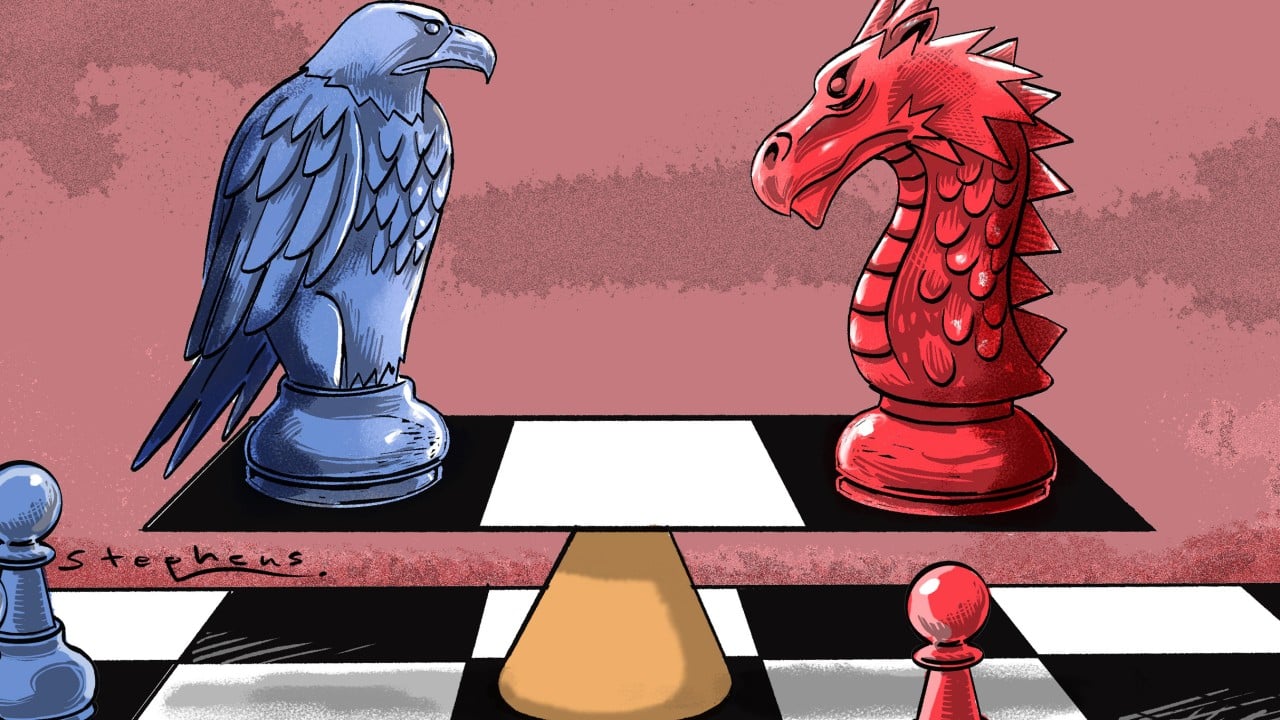
One formulation emerging from the summit between President Xi Jinping and US President Donald Trump in Beijing merits particular attention: the reference in China’s official readout to a “constructive China-US relationship of strategic stability” that should guide ties “over the next three years and beyond”.
The wording is noteworthy, and not simply because it points to an effort to stabilise a difficult relationship in the short term. It suggests a broader attempt to place the management of that relationship within a more explicit political framework.
The reference to “the next three years and beyond” is especially notable in this respect as it broadly corresponds to the remainder of the current US presidential term while also indicating an interest in framing the relationship in terms that extend beyond the immediate summit cycle.
Advertisement
The more important question, therefore, is whether the meeting created space for a more explicit political formulation of the relationship alongside the US emphasis on practical outcomes.
The Chinese formulation is consistent with such an interpretation. Xi defined “constructive strategic stability” in terms of cooperation being the mainstay, competition within proper limits, manageable differences and peace that remains expectable. In analytical terms, this language appears less as an appeal for partnership in the older sense than as an attempt to articulate a framework of regulated coexistence under conditions of persistent rivalry.
Advertisement
Its significance lies not in any denial of competition, but in the effort to place competition within a more explicit set of political limits and strategic expectations.