
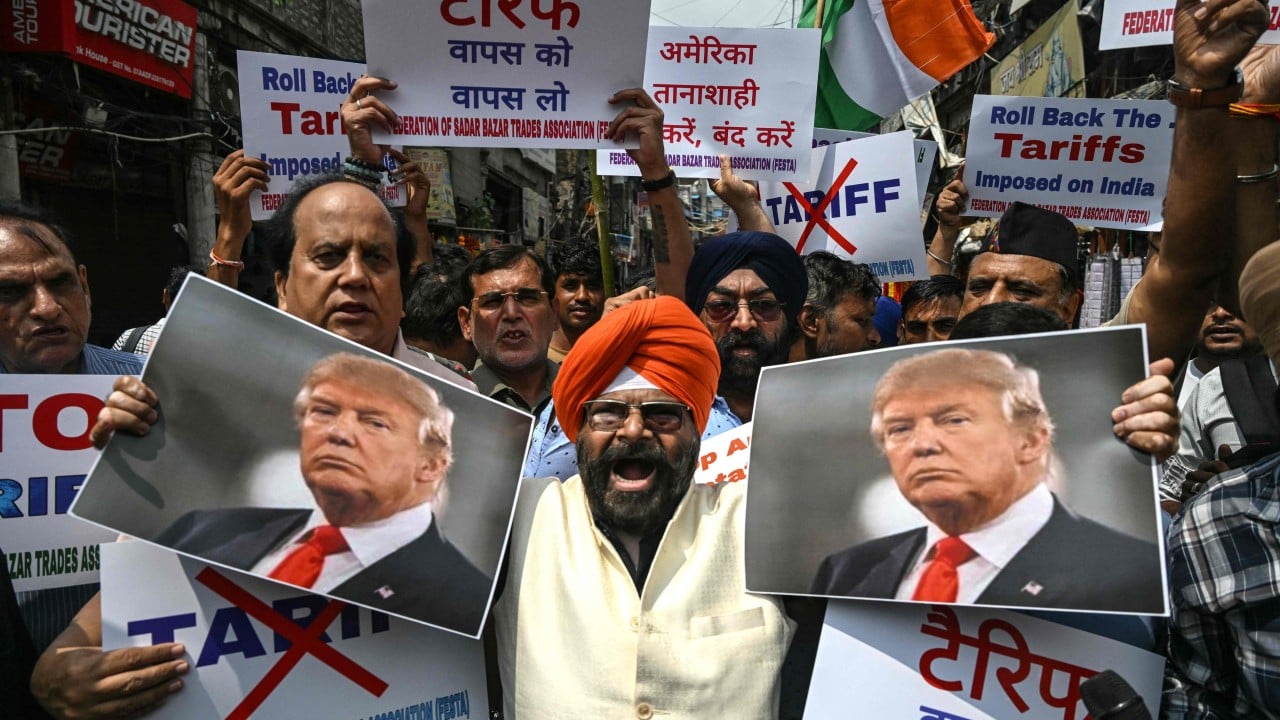
Relations between India and the US have steadily deteriorated since May. Initially, the rift was merely diplomatic: US President Donald Trump claimed credit for averting nuclear war between India and Pakistan, but New Delhi dismissed it. Tensions escalated as Washington hurled harsh words at India, followed by punitive tariffs.
Advertisement
While New Delhi has expressed its discontent, it also strives to avoid a slide towards open confrontation. India still struggles to comprehend why the Trump administration is pressuring it in such a manner, given that Trump and Indian Prime Minister Narendra Modi have publicly declared each other a good friend.
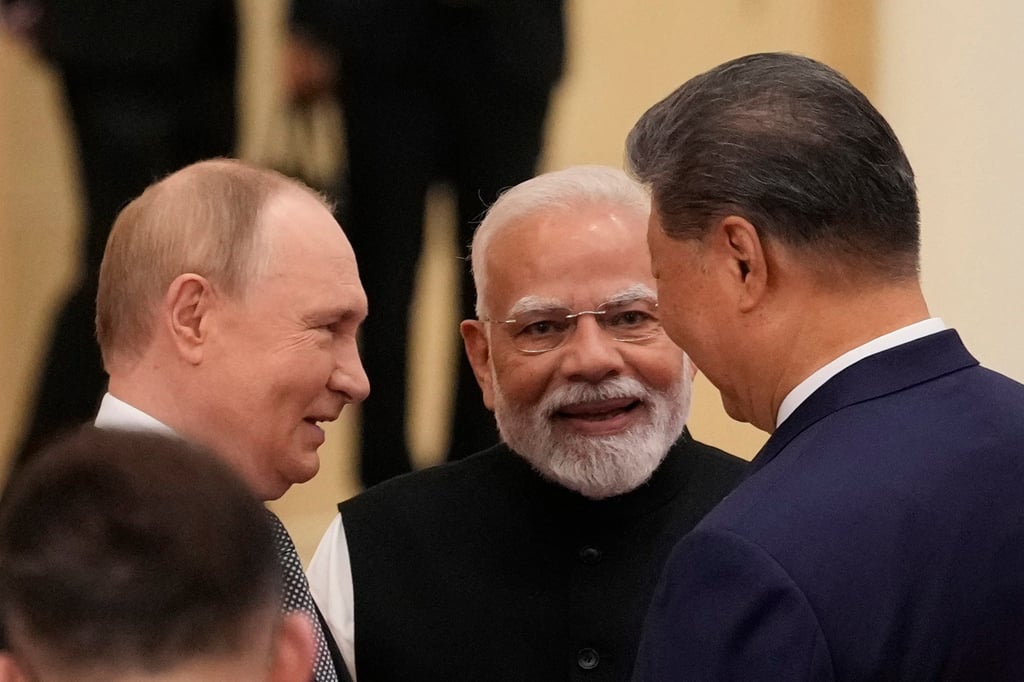
In a show of its displeasure with US policy, India has moved to mend ties with China. In August, Modi arrived in Tianjin for the Shanghai Cooperation Organisation summit, marking his first visit to China in seven years. In addition to meeting Chinese President Xi Jinping, Modi engaged in unusually warm interaction with Russian President Vladimir Putin. Putin has plans to visit India by year’s end. Modi, on his part, has been re-emphasising India’s commitment to strategic autonomy.
Of course, in warming relations with China and Russia, New Delhi has carefully calibrated its approach. To mitigate the sensitivity of his China visit, Modi scheduled a trip to Japan beforehand that could be seen as diplomatic hedging. In Tianjin, he skipped the SCO Plus meeting attended by member and observer states. Nor did he stay for the parade in Beijing commemorating the 80th anniversary of China’s victory in the war of resistance against Japanese aggression.
Perhaps fearing perceptions that it is anti-US, New Delhi did not accept Moscow’s suggestion that Chinese, Russian and Indian leaders should hold a trilateral meeting. When Brazil organised an extraordinary Brics virtual summit on US trade policy in September, India sent only its foreign minister.
New Delhi is working to deepen ties with US allies like Japan and Europe, perhaps in an effort to reignite Washington’s enthusiasm for the Indo-Pacific strategy and coax the Trump administration back onto what it sees as the right path.
Advertisement