
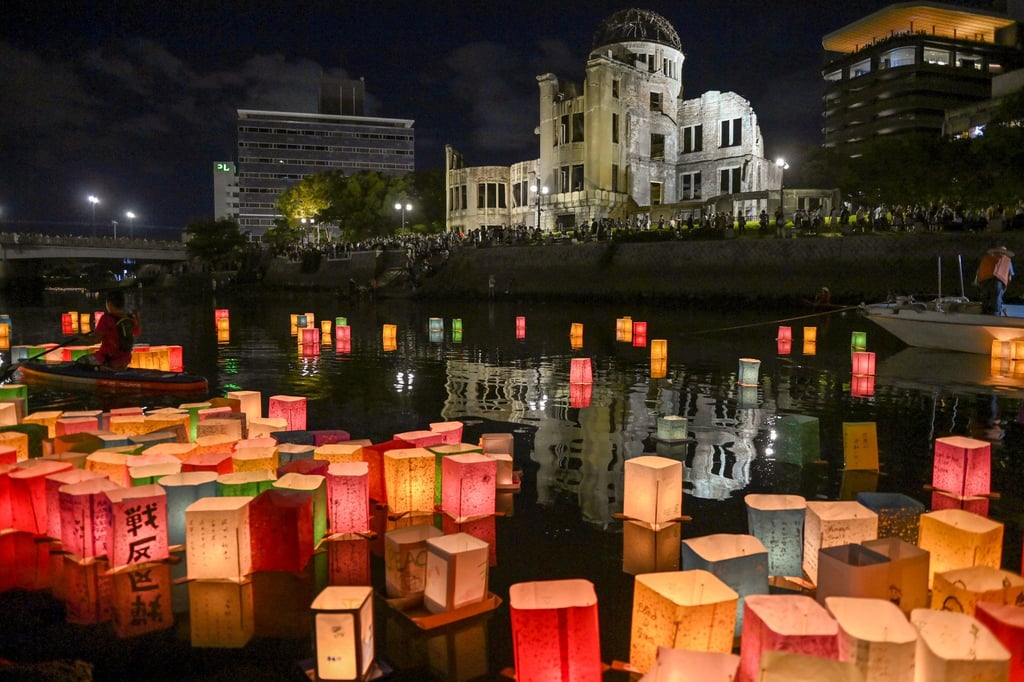
On August 6 last year, atomic bomb survivors held their annual commemorative lantern-floating ceremony at the Hiroshima Peace Memorial Park in Japan. Two months later, their group, Nihon Hidankyo, won the Nobel Peace Prize for decades of campaigning against nuclear weapons.
Fifteen years earlier, in Chongshan village in China’s eastern Zhejiang province, Wang Jinti took his last breath.
Wang died in near-total obscurity, never having received an apology or compensation for the suffering he endured – not from the atomic bombings but from Japan’s biological warfare that destroyed his village and ruined the lives of hundreds of thousands of others.
Advertisement
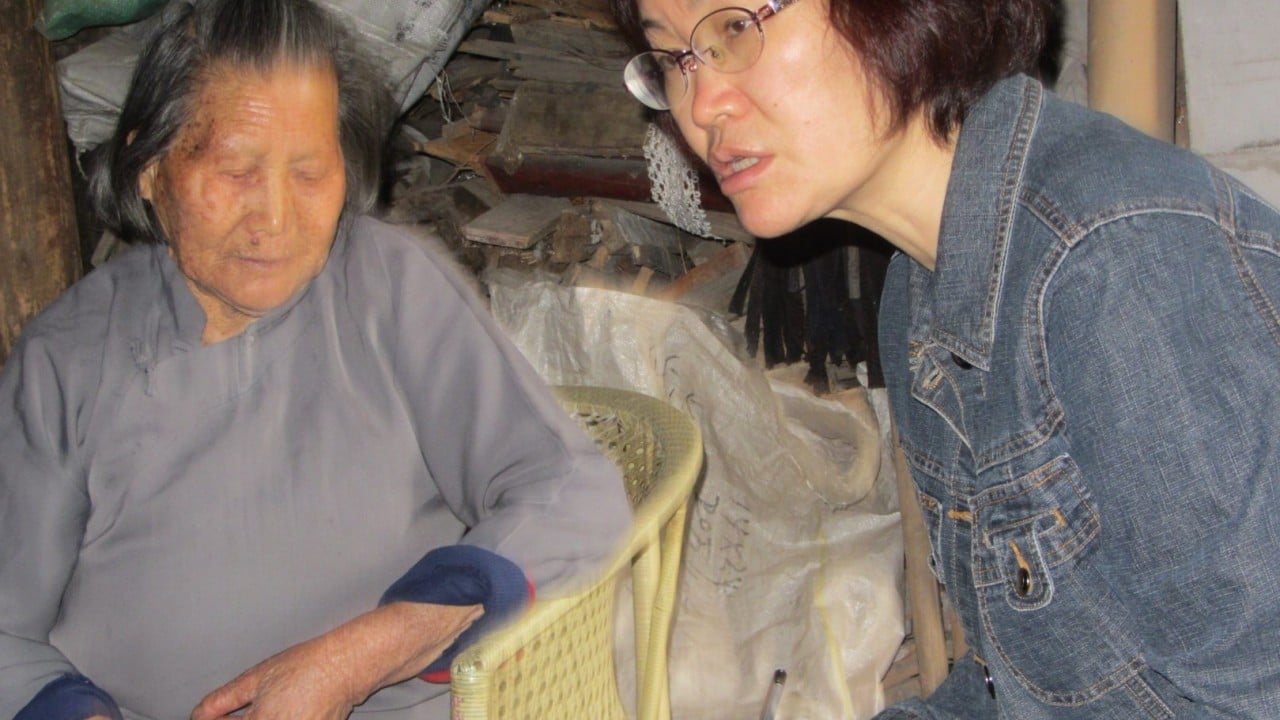
“Japan was the first country to suffer a nuclear attack, while China was the first to experience large-scale biological warfare,” according to Chinese journalist Nan Xianghong, who has spent 23 years documenting this forgotten war-within-a-war.
Nan said that while global awareness of nuclear threats was universal, the insidiousness of biological weapons was often overlooked. Her new book, The Unending Germ Warfare, looks at how such weapons destroy lives through uncontrollable, invisible contagion.
As China and Japan mark 80 years since the end of World War II, observers have warned that Japan’s history of biological warfare, while still relevant, remains buried beneath sealed archives, with unacknowledged victims and ongoing environmental hazards.
Advertisement