
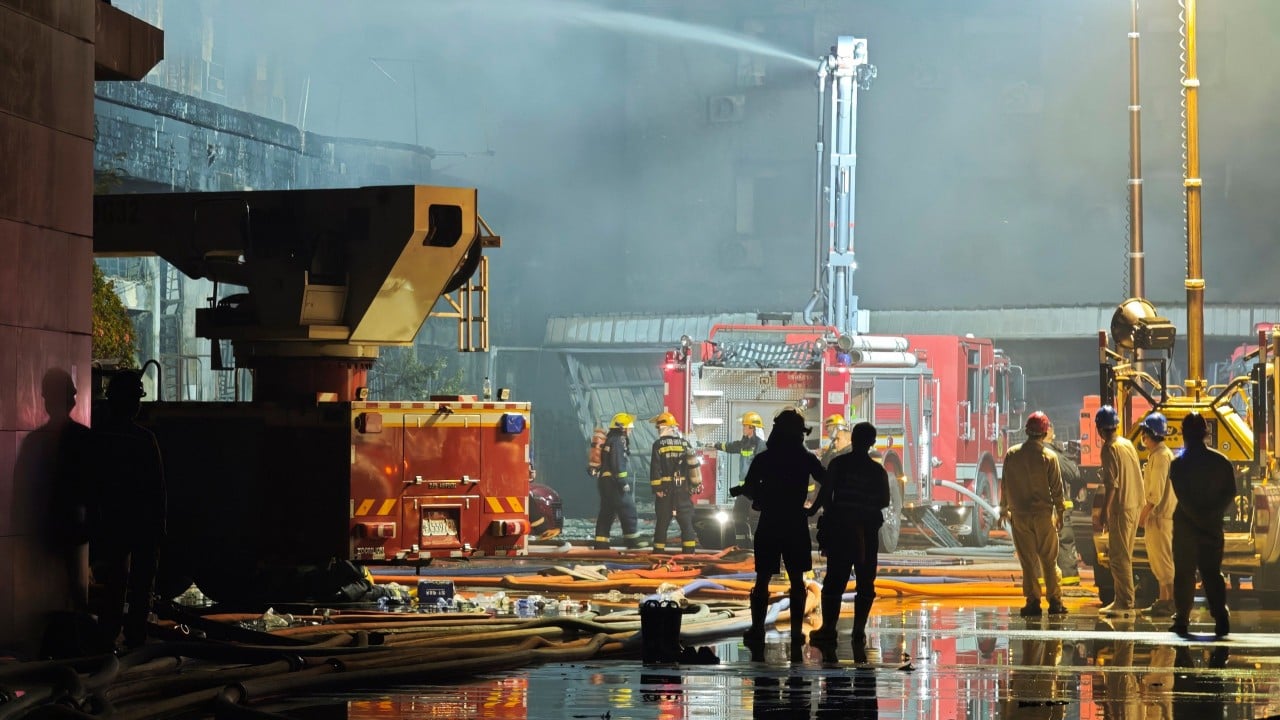
On July 9, a fire burned through a shoe factory in Jinjiang, Fujian province, killing at least 28 people. The accident signals a larger problem: firms operating under financial pressure often cut costs by compromising safety.
China’s low-cost business model needs reform, but why has change been so difficult?
The plant that burned employed hundreds of workers, yet company filings for 2025 indicate that only a handful of them were enrolled in pension and medical insurance plans. A fire-safety inspection two days earlier had flagged its blocked exits, but it didn’t stop production.
The problem is structural. Labour law is enforced largely by local governments, yet those same governments depend heavily on the jobs, tax revenue and growth that low-cost manufacturing brings. Strict enforcement means fiscal and political costs.
The low-cost model is not just a product of corporate behaviour. It is embedded in the fiscal incentives at the local and central government levels. The obstacle to reform is, therefore, this entire structure which not only discourages change, but reproduces the very conditions that stifle reform efforts.
There has not been a lack of such efforts. The Labour Contract Law took effect in 2008. In 2025, the Supreme People’s Court tightened the rules on social insurance obligations. Yet local economic and fiscal incentives have largely prevented these reforms from having an impact on enforcement in practice.