
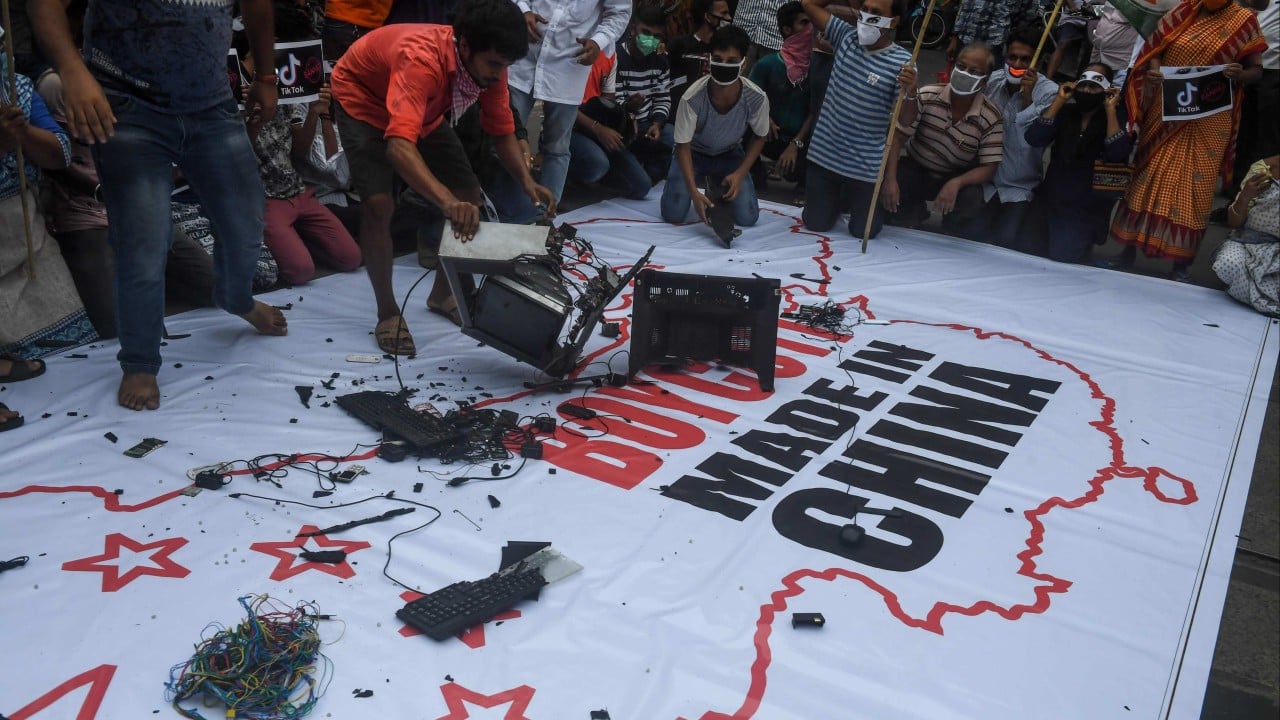
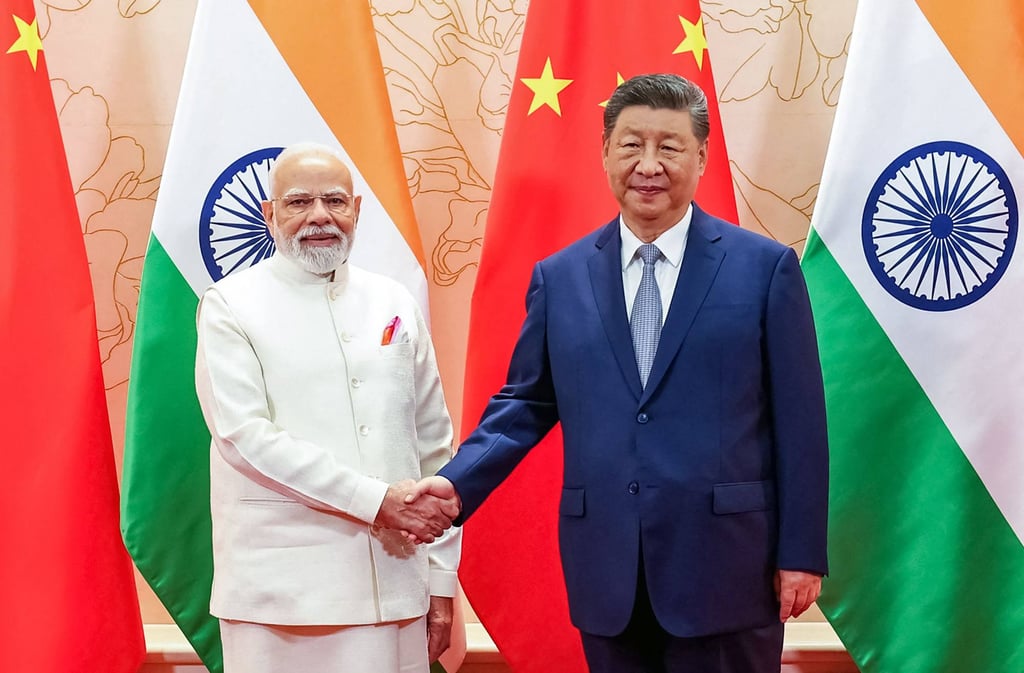
Though the relationship between the Chinese and Indian governments has been thawing, Beijing has yet to win over the Indian public as it lacked a long-term strategy and communication channels, according to Chinese researchers.
Beijing needed to find common ground by expanding its bottom-up strategies as “a matter of urgency”, Zhou Qingan, dean of Tsinghua University’s school of journalism, and Li Yiming, a research assistant at the school argued in a recent article.
In a June paper published in International Communications, a journal of the state-run China International Communication Group, Zhou and Li said improved propaganda efforts in India would support Beijing’s strategic interests in the Global South.
However, Beijing’s current strategy, which primarily relied on China’s official channels, remained “weak and lacks long-term planning”, they said, adding that cultivation of non-governmental opinion leaders was “severely inadequate”.
The content produced by China’s media system, mostly focused on policy promotion, had failed to resonate with the broader Indian public, they argued.
There was a “massive cognitive gap between the two populations” and stereotypes remained prevalent, the authors said, pointing to both widespread anti-India sentiment on Chinese social media and the widespread perception among Indian youth that China represented a major security threat.