
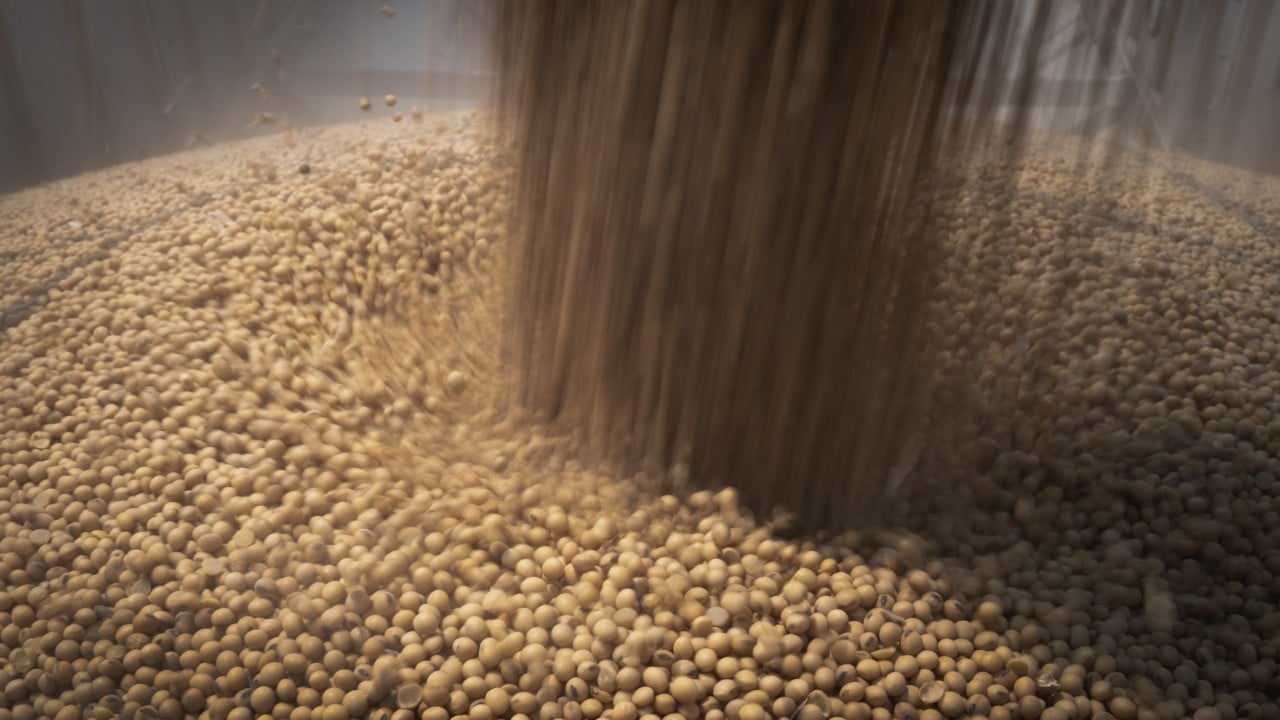
China, the world’s top soybean consumer, faces a complex balancing act when securing supplies.
With 90 per cent of market demand met by imports, Brazil and the United States remain its top suppliers, but intensifying efforts to promote self-sufficiency are seeking to reduce reliance on imports.
From price swings and quality traits to strategic roles in the market, soybeans from the three countries tell different stories about China’s quest for stability and security that can be broken down into how they relate to its needs, challenges and future plans.
How do the prices of Brazilian, US and Chinese soybeans differ?
Brazilian soybeans have typically been the most cost-competitive, often trading at a discount to US beans, especially as Brazil has witnessed bumper harvests in recent years.
Advertisement
US soybean prices tend to be more volatile, affected by domestic harvests and trade policies. Despite a truce in the US-China tariff war since late October, they still carry a substantial premium over Brazilian ones.
On December 5, the cost and freight quote for US soybeans for January shipment was US$498 a tonne (US$451.78 a short ton), US$17 a tonne (US$15.42 a short ton) higher than for Brazilian soybeans, according to data from China’s National Food and Strategic Reserves Administration.
Advertisement
Soybeans grown in China consistently trade at a significant premium – often one-third or more above imported beans – due to lower yields, higher costs and their use for direct human consumption.