
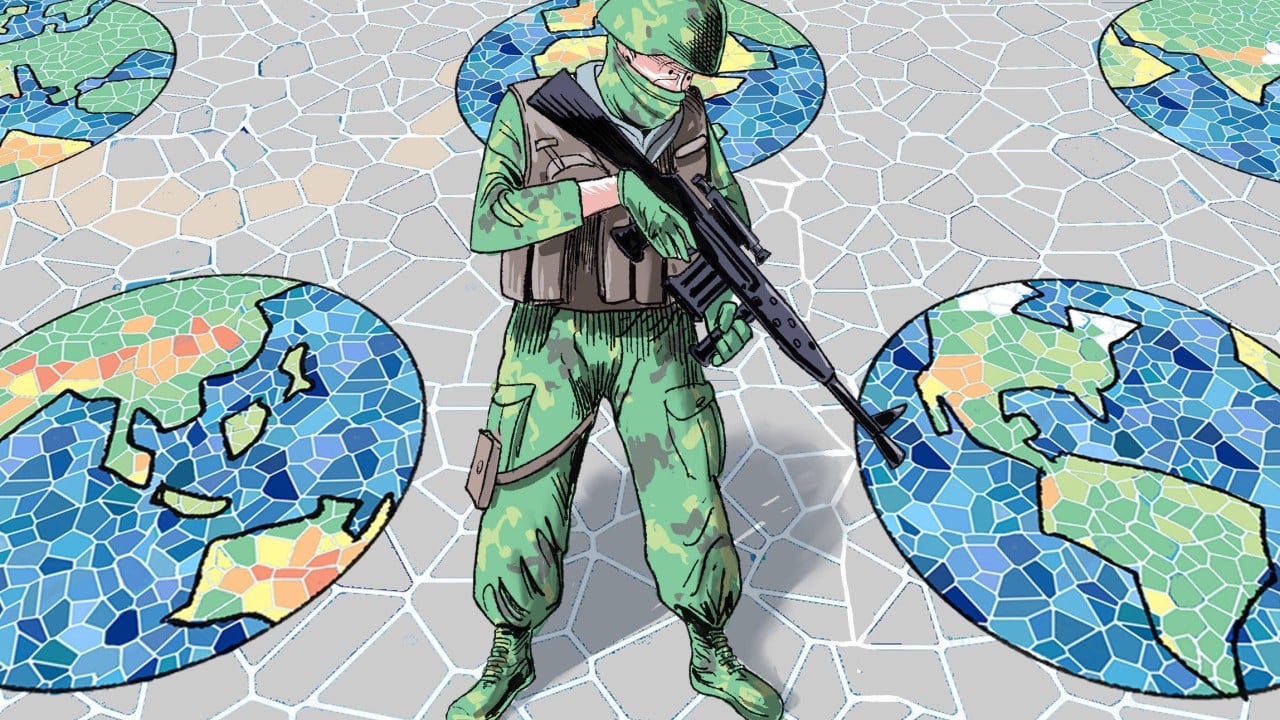
For much of the modern era, power was easy to recognise. It belonged to the states that could win wars decisively, enforce sanctions effectively and impose political outcomes far beyond their borders. That definition no longer works.
The world is moving towards what scholars have described as a form of “distributed multipolarity”, a landscape in which no single actor – not the United States, not China, not Russia – can fully shape events in the way great powers once expected.
Tools once seen as instruments of dominance produce diminishing returns. The outcomes of recent conflicts and crises suggest that the global order is shifting in quieter, more complicated ways than many anticipated.
Advertisement
Nowhere is this clearer than in the wars that were supposed to be decisive but instead became long, grinding stalemates. Russia expected a rapid victory in Ukraine, yet the conflict is poised to enter its fourth year with neither side achieving its stated political goals.
Israel might have thought it could swiftly dismantle Hamas, but the war in Gaza has become a protracted confrontation with regional implications and little strategic clarity. Even the brief but intense confrontation involving the United States, Israel and Iran in June ended not with regime collapse or a new political map, but with a return to the same unresolved tensions.
Advertisement
While these cases may not be identical, they reflect a single structural truth: modern warfare is increasingly unable to produce clear winners. Advances in technology, precision weapons and distributed defence systems have shifted the balance heavily towards denial rather than victory. States can now more easily prevent defeat than impose outcomes – a dynamic that erodes the traditional meaning of power.