
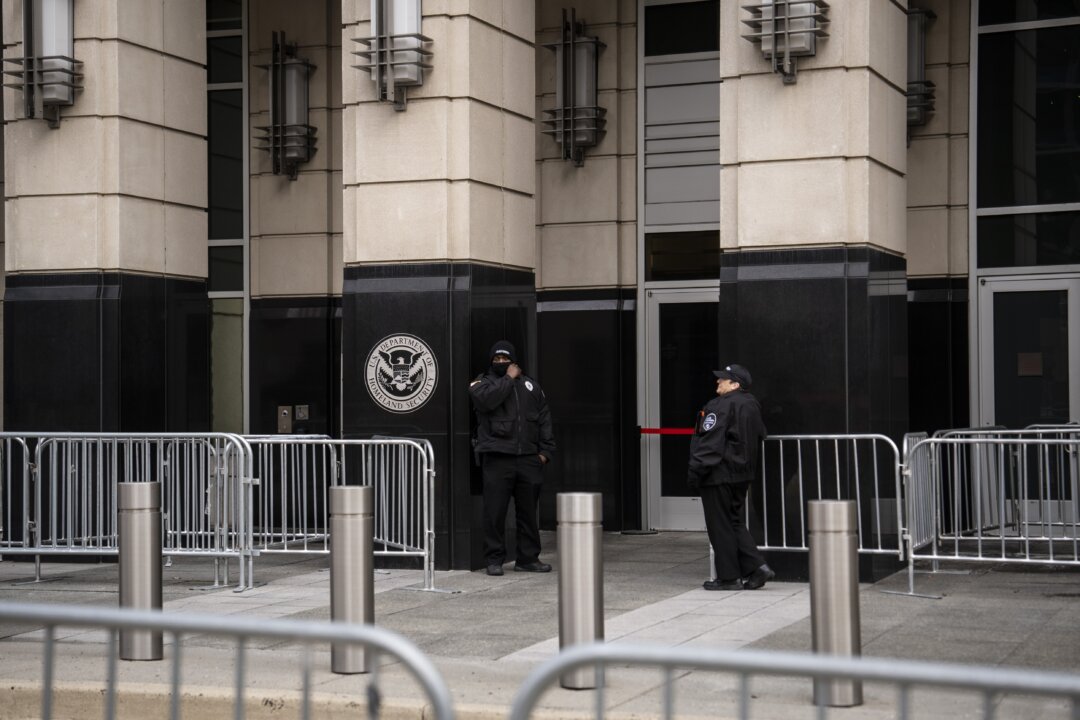
The Trump administration spoke with Iranian officials about deporting nationals of Iran after the United States entered a war with Iran, according to court documents unsealed on Nov. 5.
Noah Adams, deputy assistant director for the removal division of Immigration and Customs Enforcement (ICE), said in a court hearing in October that federal officials have been in communication with Iran since February, according to a transcript unsealed on Nov. 5 and published by The Associated Press.
The nature of the communications, he said, was submitting requests for travel documents and figuring out possible ways to remove Iranian nationals from the United States.
Adams also said that the United States provided names of people from Iran who were being held by ICE who U.S. officials wanted to deport.
“We would provide lists, yes,” Adams said, adding later that he did not know how many of the individuals had applied for asylum in the United States.
The Iran war began in late February with a bombing campaign on Iranian leadership, military infrastructure, and air defense systems by the United States and Israel.
The recent revelation surprised U.S. District Judge Ana Reyes, who was overseeing the hearing and noted both the ongoing war and how President Donald Trump has said that Iran has killed tens of thousands of protesters.
“What you’re telling me is that the United States of America is going to send individuals back to that region, facing what you and I and everyone who would ever look at this would know would be, at a minimum, a serious threat of certain death,” Reyes said.
“Yes, your honor,” Dimitar Georgiev-Remmel, a lawyer with the Department of Justice, said in response. “The government is executing lawful orders of removal.”
Reyes ordered officials to tell her within 24 hours of finalizing a plan to remove Iranians from the United States, including any plan to send the Iranians to third countries where Iranian officials would coordinate their travel to Iran.
ICE officials said in an Oct. 23 notification that was unsealed Thursday that there was a plan “to remove certain Iranian nationals” who have been ordered deported.
Administration lawyers said in another unsealed document that they did not want to reveal operational details of plans to deport people to Iran, but that the transcript from the court hearing did not include such details, so they did not oppose the release of that or several other files.
The Department of Homeland Security, ICE’s parent agency, did not respond to a request for comment by the time of publication.
Sixty-six members of Congress said in a Nov. 2 missive to Homeland Security Secretary Markwayne Mullin and Secretary of State Marco Rubio that they should not deport Afghans to Afghanistan or Iranians to Iran.
After discussing reports of imminent Afghan deportations, Sen. Jack Reed (D-R.I.) and the other lawmakers wrote: “We are similarly shocked to receive reports that this administration may also deport several Iranians – including women, Christian converts, and pro-democracy activists – to Iran, where they face imprisonment, torture, and in some cases, a possible death sentence. The United States has not ceased its military operations against Iran, and sending people who sought protection from the Islamic Republic of Iran back to a war zone and a repressive regime is unconscionable.”
The documents and court hearing are part of a case brought by the Iranian American Legal Defense Fund. The group alleged in its lawsuit that the administration in 2025 started providing Iran with confidential information from immigration files of Iranian nationals seeking asylum in the United States, including pro-democracy protesters and Christians. The group asked the court to declare the policy illegal and have it vacated.
At least three deportation flights have taken more than 100 Iranian nationals to Iran, according to news reports cited by the group, which also requested an order preventing deportation of all Iranians held by ICE.
U.S. officials told the court that the government has not been providing Iran with confidential information about Iranian asylum seekers. They also said the court does not have the power to block deportation orders.
In a motion to dissolve the judicial order requiring notification before deporting, or finalizing plans to deport, Iranians, administration lawyers said that the order was improper, in part because the Iranian legal group does not have standing to sue.
“With the Court’s finding that there is no policy of sharing protected asylum information, an order vacating the nonexistent policy would amount to an advisory opinion,” the motion stated, referencing comments from the judge during the recent hearing. “At bottom, Plaintiff lacks Article III standing and the Court is without subject-matter jurisdiction to issue any relief, including the order at issue.”
The legal group has been ordered to file a response to the motion, if it wants, by Nov. 11.
We had a problem loading this article. Please enable javascript or use a different browser. If the issue persists, please visit our help center.