
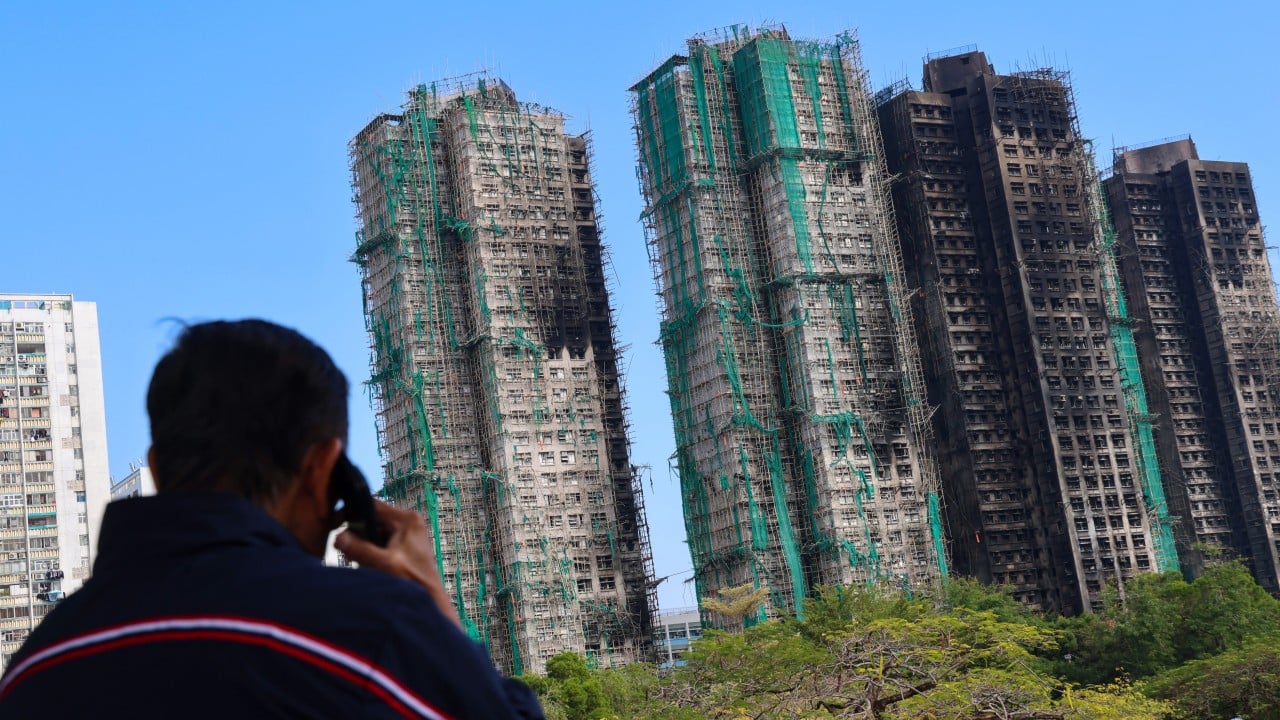
One way or another, the aftermath of the tragic Tai Po fire is going to dominate Hong Kong’s political life throughout the coming year, possibly for the whole of the new Legislative Council term.
In the closing stages of the recently completed election, candidates pledged their support for recovery efforts. There is no reason to doubt them as every politician knows that the campaign for the next election effectively begins as soon as votes have been counted in the last one. The whole community will be watching how promises are honoured.
Circumstances are bound to keep the subject in the public eye. Even though the rescue phase is virtually complete, there are bound to be new actions from time to time, such as the DNA identification of a victim or clarification on an unaccounted-for resident. Media outlets are also bound to follow up on the interim arrangements made for survivors.
Advertisement
In the short term, these have been a modest success story: huge outpourings of public support in cash and kind, prompt government action, nobody left without food, clothing or a roof over their head. However, some problems are bound to arise as time passes and measures that might have been suitable as a stopgap solution become the settled way of life for those affected on a longer-term basis.
After that, public interest will tend to focus on two areas: permanent resettlement of those whose homes were affected and the various investigations into what went wrong.
Advertisement
Public sentiment on the first aspect is likely to lean heavily in favour of restoring the flat owners to the situation they would have been in had the fire not happened. The emotional response is perfectly understandable and laudable, but making that happen will not be straightforward.