

It is not the most enticing reading material: “Macroeconomic and Foreign Exchange Policies of Major Trading Partners of the United States.” But this 59-page report, issued last month by the US Treasury Department, reveals much about contemporary America.
Remember the joint intervention by Japan and the United States in the international currency market to prop up the yen at the end of July? By now, everyone knows it didn’t work, a waste of monetary resources for both countries while earning a lot of ill will from the Europeans because … Well, that takes some explaining but we will get to it shortly.
Let’s first consider the report, which boldly warns trade offenders that the US Treasury “is committed to aggressively and vigilantly monitoring and combating unfair currency practices” and that it “continues to assess whether the United States’ trading partners are undertaking foreign exchange intervention and implementing non-market policies and practices to manipulate their currencies for unfair competitive advantage in trade to the detriment of American economic strength”.
The report goes on to name the baddies: China, Japan, Korea, Taiwan, Thailand, Singapore, Vietnam, Germany, Ireland and Switzerland. All these economies were on the monitoring list in the report issued in January this year. So no improvement there, naughty children! Notice that Japan is on the list, recurrently.
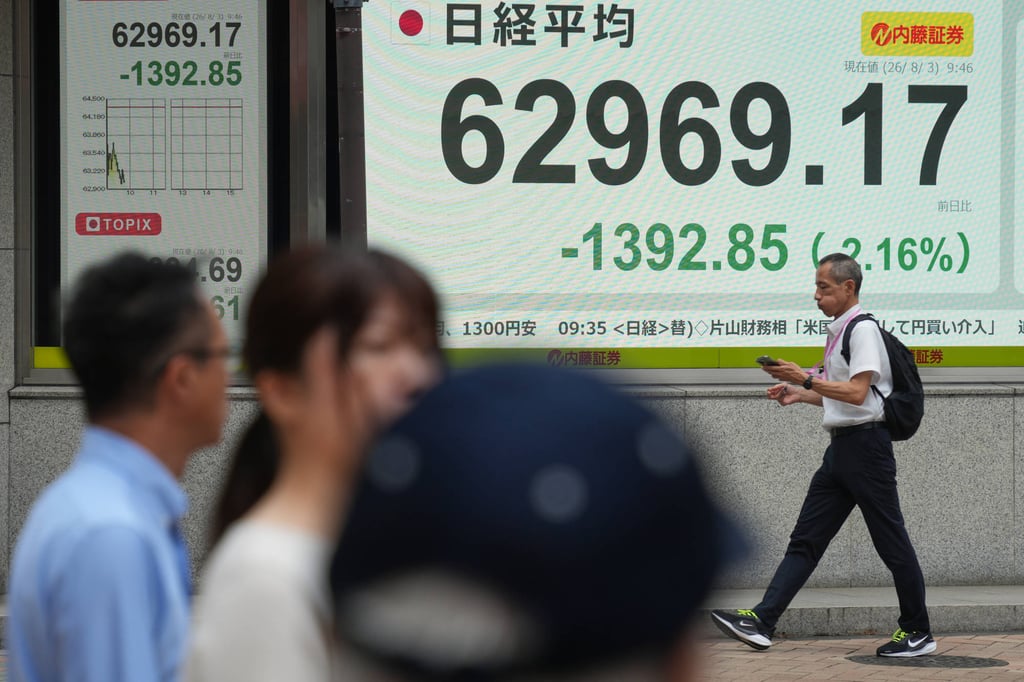
And yet, in the same month that the US Treasury complained that other countries, including Japan, were potentially manipulating their currencies to gain an unfair trade advantage over the US, it was helping Tokyo, in a highly unorthodox move, to intervene massively in the currency market because the yen had been dropping like a stone since Japanese Prime Minister Sanae Takaichi took office.