
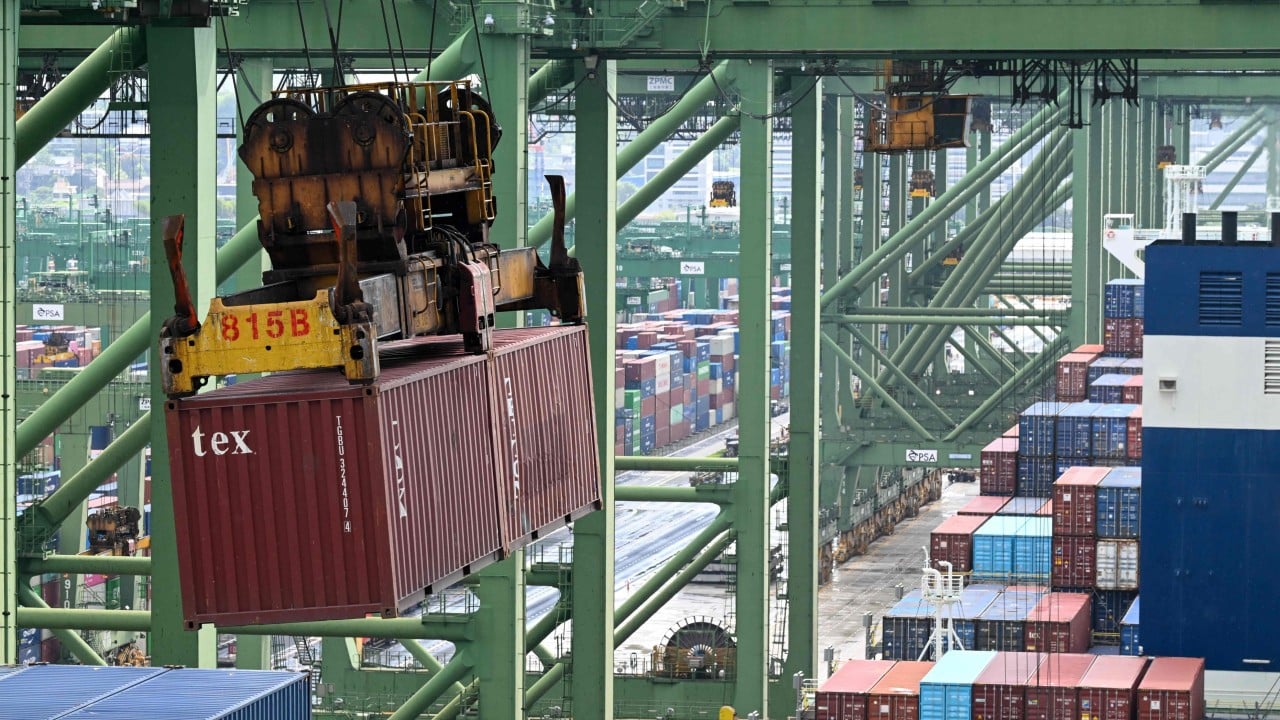
How many crises does it take to change the way the world trades? For Asia, the answer appears to be three.
First Covid closed the factories that fed the logistics networks, then Russia’s invasion of Ukraine choked off Black Sea grain exports and sent energy prices spiralling.
Now, the US-Israel war on Iran may have hammered the final nail in the coffin of “just in time” supply chains that some economists say are no longer fit for purpose.
“Taken together, they show that serious disruption is now a regular event,” said Jakir Ahmed, an economist and research analyst at industrial data firm IbisWorld.
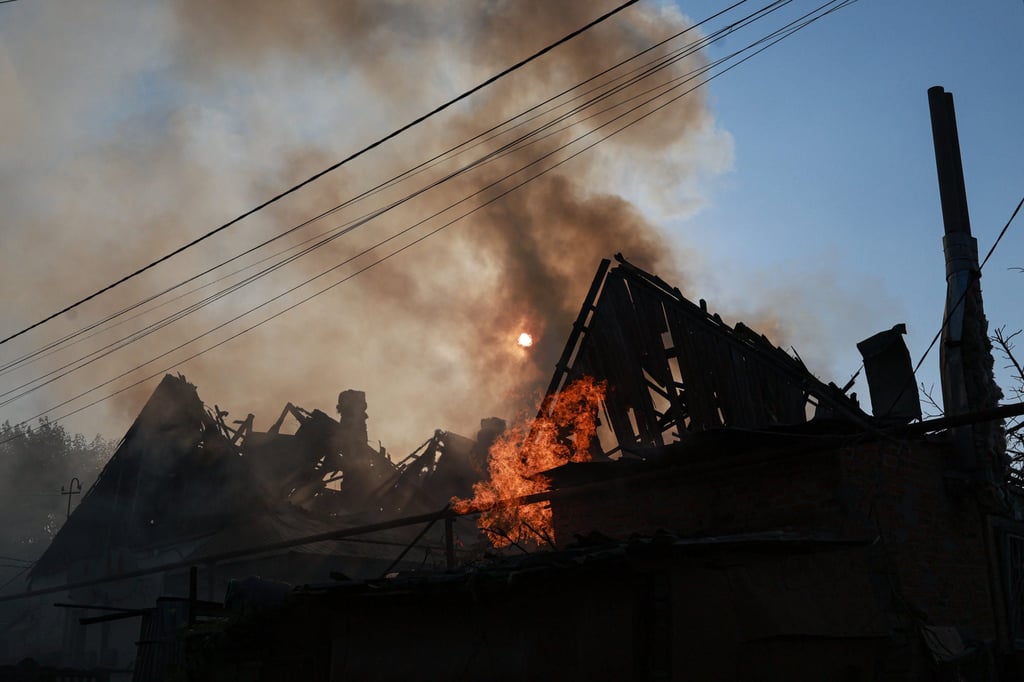
For governments and businesses once wedded to the mechanics of frictionless globalisation, who saw Covid as a once-in-a-generation anomaly and the Ukraine conflict as someone else’s problem, Hormuz left little room for denial.
“The lesson has sunk in,” agreed Shay Wester, director of Asian economic affairs at the Asia Society Policy Institute. “Disruption is a recurring feature of the trade landscape rather than an exception.”