
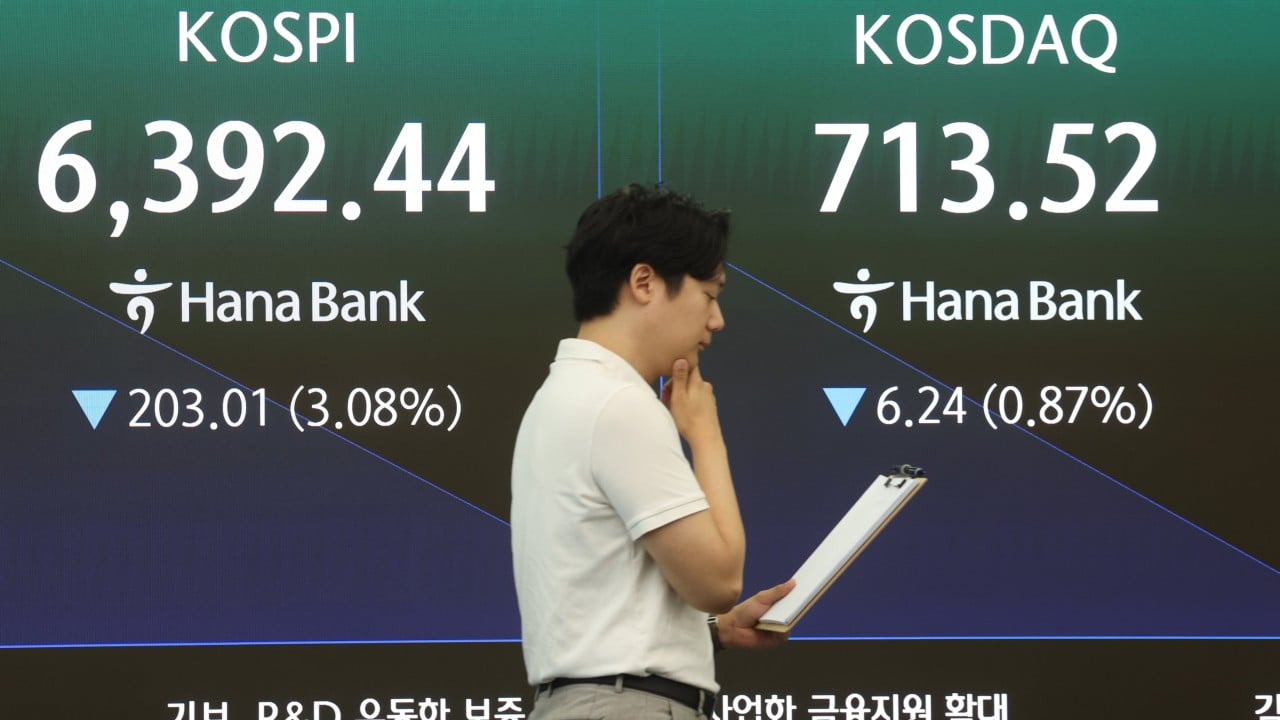
South Korea’s financial authorities are weighing tighter curbs on high-risk leveraged exchange-traded funds (ETFs) as part of broader efforts to stabilise the country’s notoriously volatile stock market, which has left many investors with heavy losses and mounting debt.
The proposals could include giving regulators the power to reduce the leverage ratio of single-stock ETFs and raising the minimum investment requirement to discourage inexperienced retail investors from taking excessive risks, according to local media reports.
Single-stock leveraged ETFs allow investors to amplify their exposure to a company’s share price without owning the underlying stock, typically aiming to deliver twice the stock’s daily return.
Unlike conventional ETFs, which track diversified baskets of shares, these products are tied to a single firm – such as Samsung Electronics or SK Hynix – and use derivatives to magnify both gains and losses.
The products quickly gained popularity during South Korea’s stock market rally but have since come under scrutiny for amplifying market volatility.
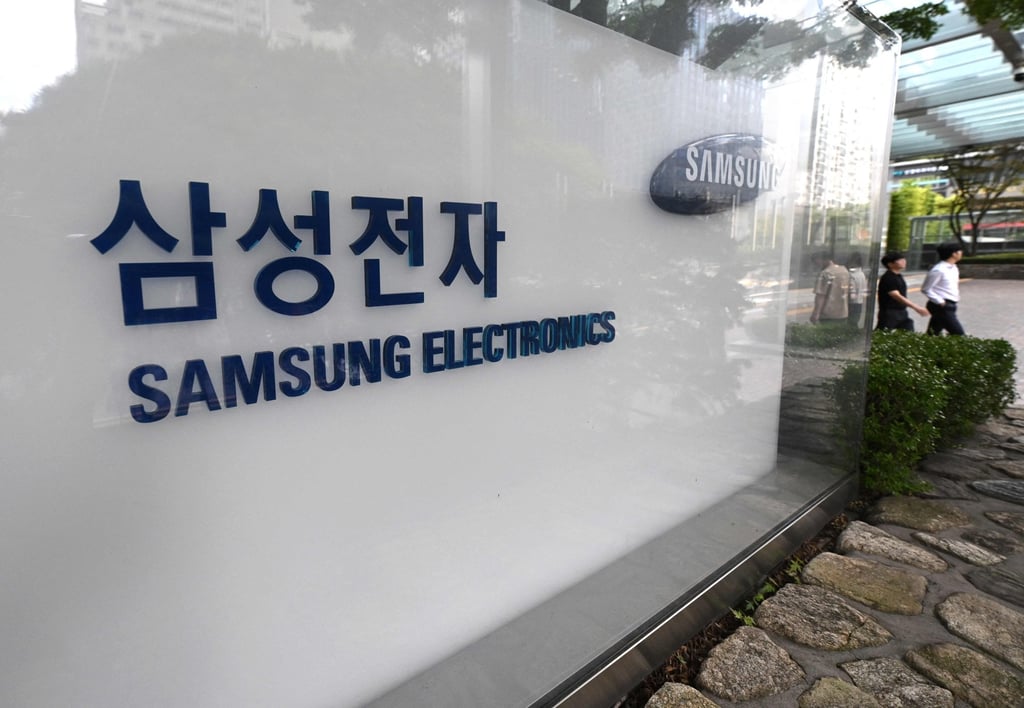
Many retail investors who bought leveraged ETFs linked to semiconductor giants Samsung Electronics and SK Hynix near their peak have suffered steep losses after the shares tumbled sharply following record highs in June.