
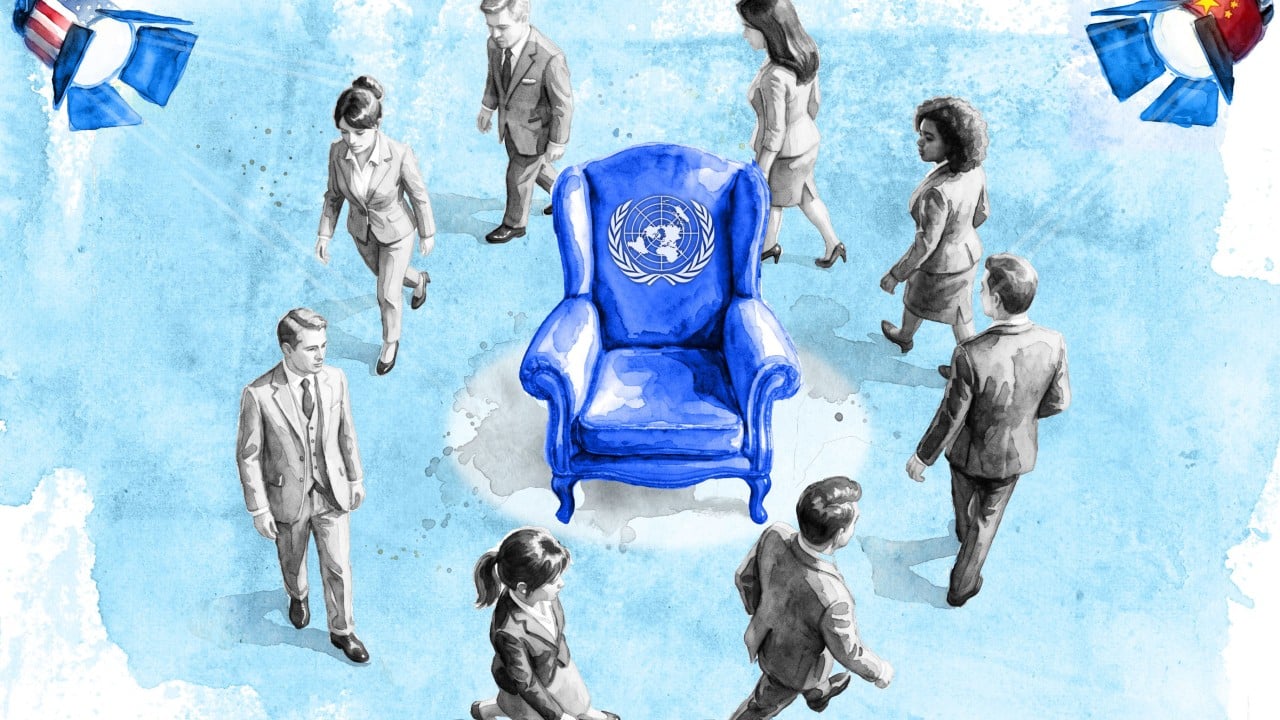
It is financially strapped, structurally flawed, infamously bureaucratic, reputationally damaged and riven with infighting.
So why would anyone want to take on the role of the next secretary general of the United Nations?
“I really think there should be some sort of psychiatric test for wanting this position,” said Richard Gowan, global issues and institutions director at the International Crisis Group (ICG). “The stakes are exceptionally high, and there is a strong sense around the UN that the next secretary general may make or break the organisation.”
The official start of the race to become the 10th UN chief in the organisation’s eight-decade history is under way, at an existential time for an organisation framed by noble ideals but dragged down by bickering and human failings.
While in theory the choice is made by its 193 member states, the real power is with the five permanent members of the UN Security Council (P5). The archaic several-month process that officially kicked off late last month includes secret ballots on coloured paper, with the largest voices going to major donors Beijing and Washington.
Once the P5 reaches a consensus, the others generally go along with it, and the new secretary general is usually in place for the five-year term by year’s end.